Goldendoodle
The Goldendoodle is a designer hybrid of the Golden Retriever and Poodle — celebrated for its friendly temperament, low-shedding coat, and exceptional trainability. Available in four sizes from Micro to Standard, Goldendoodles adapt to apartments and active families alike, making them one of the most popular family dogs in America.
About the breed
History and origin
Temperament
Family fit
Exercise needs
Grooming and shedding
Common health considerations
Training
Generations explained
Goldendoodle generations describe how much Poodle vs. Golden Retriever genetics a puppy carries — which directly affects coat type and shedding level.
First-generation cross between a purebred Golden Retriever and a purebred Poodle. F1 Goldendoodles typically have wavy coats with moderate shedding. Hybrid vigor often results in robust health, but coat type can vary within a single litter.
An F1 Goldendoodle bred back to a purebred Poodle. F1B Goldendoodles have curlier, lower-shedding coats and are the most popular generation for allergy-sensitive households. Grooming demands are higher due to the curlier texture.
An F1B Goldendoodle bred back to a purebred Poodle again. F1BB Goldendoodles have very tight, curly coats with minimal shedding — closest to a Poodle coat of any Goldendoodle generation. Ideal for households with significant dog allergies.
A second-generation cross of two F1 Goldendoodles. F2 litters have the most coat variability — some puppies can inherit a heavier-shedding, straighter coat. Less common among reputable breeders for this reason.
Multigen Goldendoodles result from breeding Goldendoodles to each other (or to Poodles) across three or more generations. Reputable Multigen breeders select for low-shedding, consistent coat type, and stable temperament — often the most predictable generation for coat and size.
What to look for in a reputable breeder
Frequently asked questions
What is a Goldendoodle?
A Goldendoodle is a designer hybrid bred from a Golden Retriever and a Poodle. The cross combines the Golden Retriever's friendly, patient temperament with the Poodle's intelligence and low-shedding coat. Goldendoodles are not AKC-recognized but are one of the most popular designer dogs in the United States.
How much does a Goldendoodle cost in Texas?
Goldendoodle puppies from reputable Texas breeders typically range from $2,000 to $5,500 depending on size, generation, and coat color. Mini and Micro Goldendoodles often cost more than Standards due to demand. Prices below $1,500 from an unverifiable source are a red flag for puppy mills or scams.
Are Goldendoodles hypoallergenic?
No dog is truly hypoallergenic, but Goldendoodles — especially F1B and Multigen generations — shed significantly less than most breeds, reducing dander in your home. People with mild dog allergies often tolerate Goldendoodles better than heavier-shedding breeds. Spending time with a specific puppy before committing is the best way to assess your personal reaction.
What is the difference between an F1 and F1B Goldendoodle?
An F1 Goldendoodle is a first-generation cross — 50% Golden Retriever and 50% Poodle — with a wavy coat and moderate shedding. An F1B is backcrossed to a Poodle, resulting in roughly 75% Poodle genetics, a curlier coat, and lower shedding. F1B is the most popular generation for allergy-sensitive households but requires more frequent grooming.
What sizes do Goldendoodles come in?
Goldendoodles come in four main sizes: Micro (under 15 lb), Mini (15–35 lb), Medium (35–55 lb), and Standard (55–90 lb). Size is determined by the Poodle parent — Toy Poodles produce Micro and Mini Goldendoodles, Miniature Poodles produce Minis and small Mediums, and Standard Poodles produce Medium and Standard Goldendoodles.
How long do Goldendoodles live?
Goldendoodles typically live 10–15 years. Smaller sizes tend toward the longer end of that range, while Standard Goldendoodles average 10–13 years. Proper nutrition, regular veterinary care, appropriate exercise, and weight management all contribute to a longer, healthier life.
Are Goldendoodles good with kids?
Yes — Goldendoodles are consistently rated among the best family dogs. They inherit the Golden Retriever's patience and gentleness with children and rarely show aggression. Standard and Medium Goldendoodles are sturdy enough for active play with older kids, while Mini Goldendoodles suit families with gentler young children due to their smaller size.
How much exercise does a Goldendoodle need?
Standard and Medium Goldendoodles need approximately 60 minutes of daily exercise. Mini Goldendoodles do well with 30–45 minutes. Exercise can include leash walks, fetch, swimming, or off-leash play. Mental stimulation through training and puzzle toys is just as important as physical activity for this intelligent breed.
How do I find a reputable Goldendoodle breeder in Texas?
Look for breeders who raise puppies in a home environment with early socialization, offer a written health guarantee, and are willing to answer questions and do a video call. Avoid breeders with no waitlist or who pressure you for a deposit before answering your questions. Every Pick Me Pets listing includes a live video call with the breeder, so you can judge them yourself.
What should I look for when choosing a Goldendoodle breeder?
Prioritize breeders who raise puppies in their home, socialize early, provide a written contract with a health guarantee, and welcome visits or video calls. A short waitlist is normal for quality litters — breeders who always have puppies available immediately are a red flag.
Goldendoodle puppies for sale
- Ready now
ZZ TEST Willow
Goldendoodle · Female · 7–15 lbs
20 weeks · Lewisville, TX
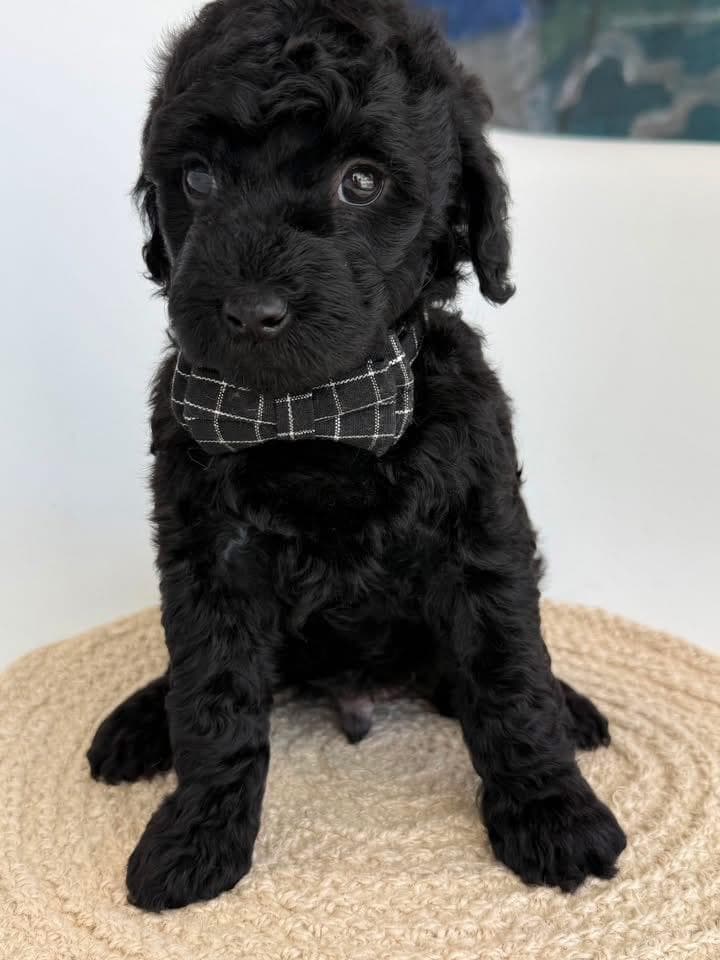 Ready now
K-Black Boy
Goldendoodle · Male · 9–25 lbs
13 weeks · Lewisville, TX
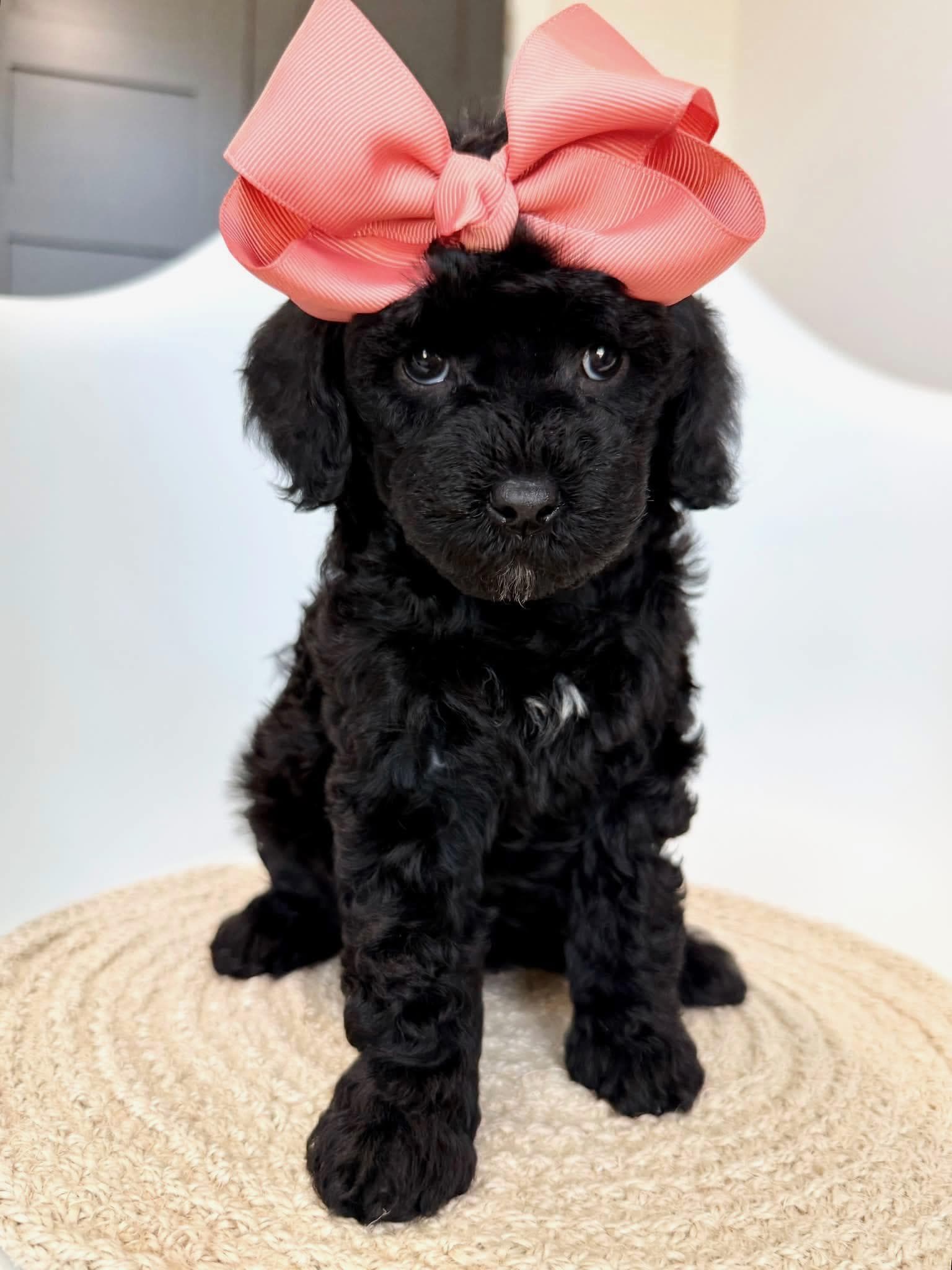 Ready now
K-Peach Girl
Goldendoodle · Female · 9–25 lbs
13 weeks · Lewisville, TX
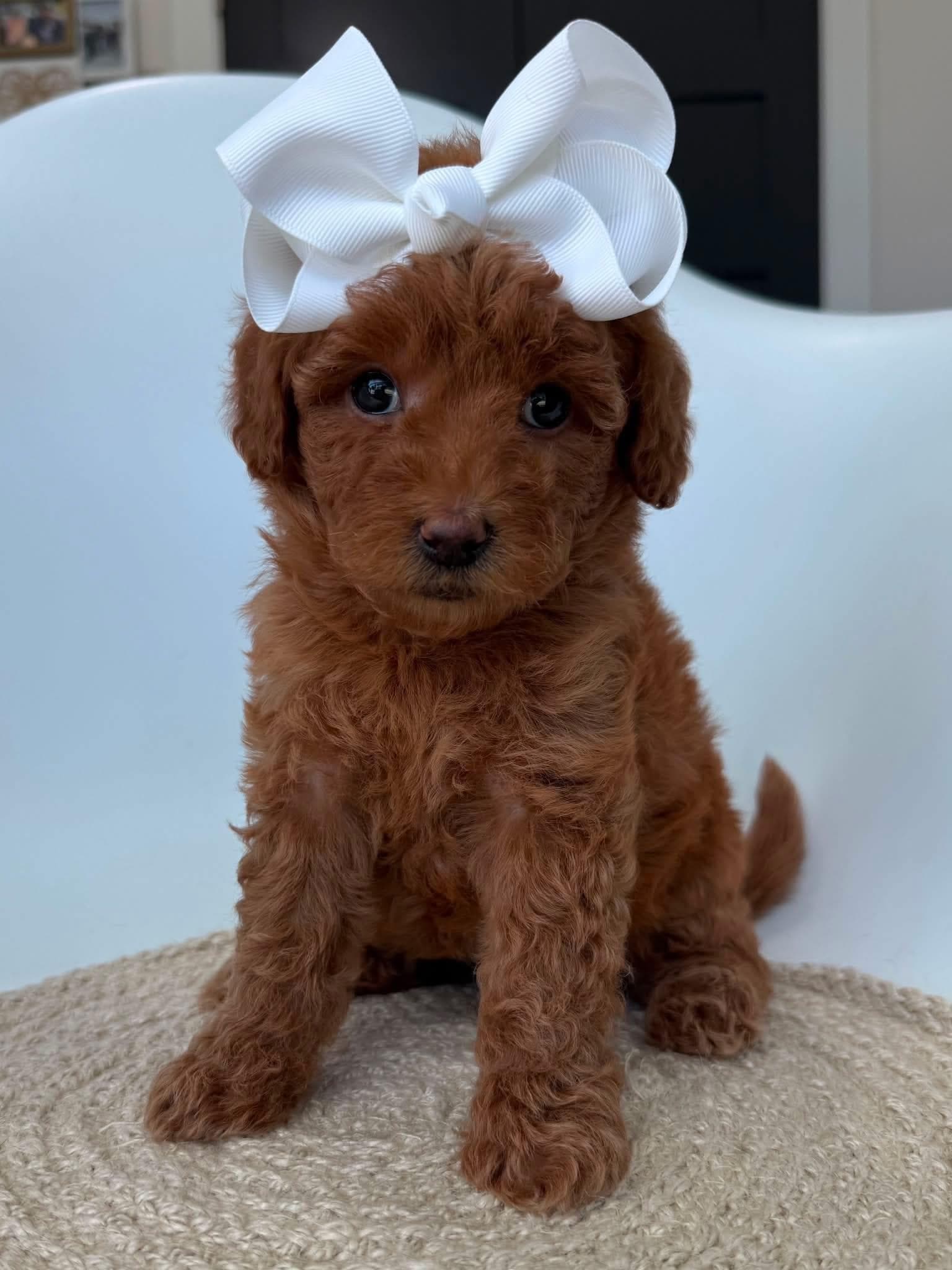 Ready now
K-Purple Girl
Goldendoodle · Female · 9–25 lbs
13 weeks · Lewisville, TX
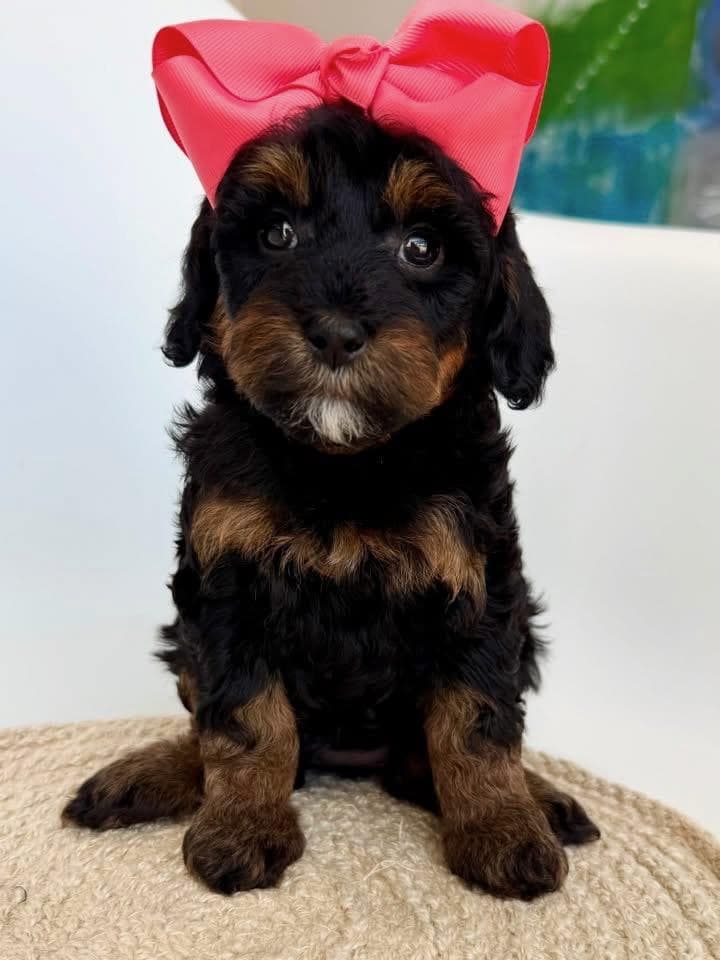
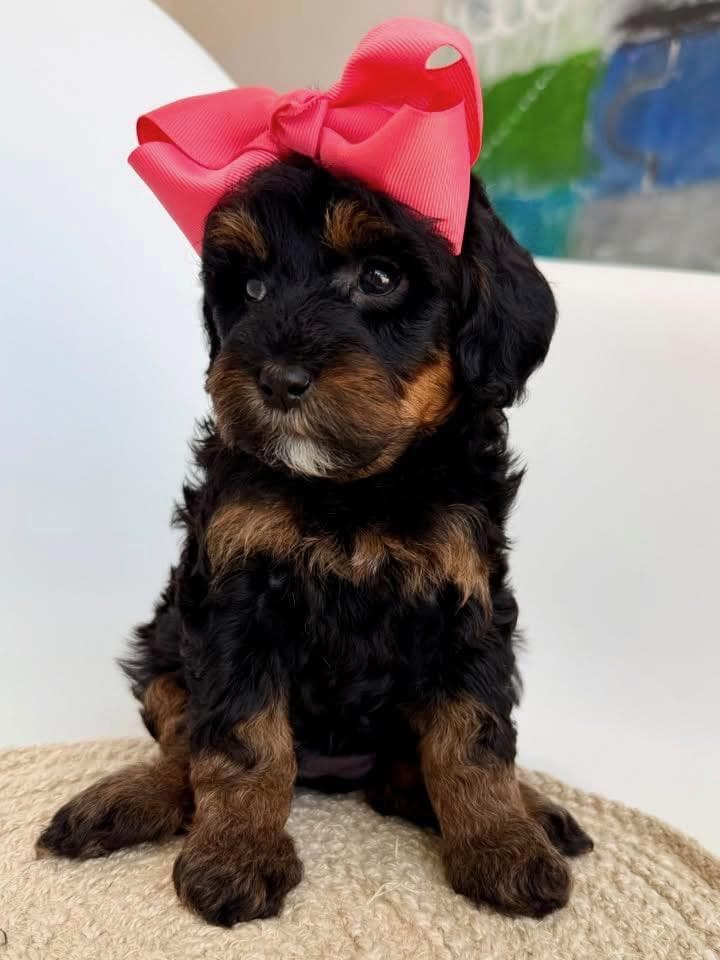 2 photos, showing 1Ready now
K-Pink Girl
Goldendoodle · Female · 9–25 lbs
13 weeks · Lewisville, TX
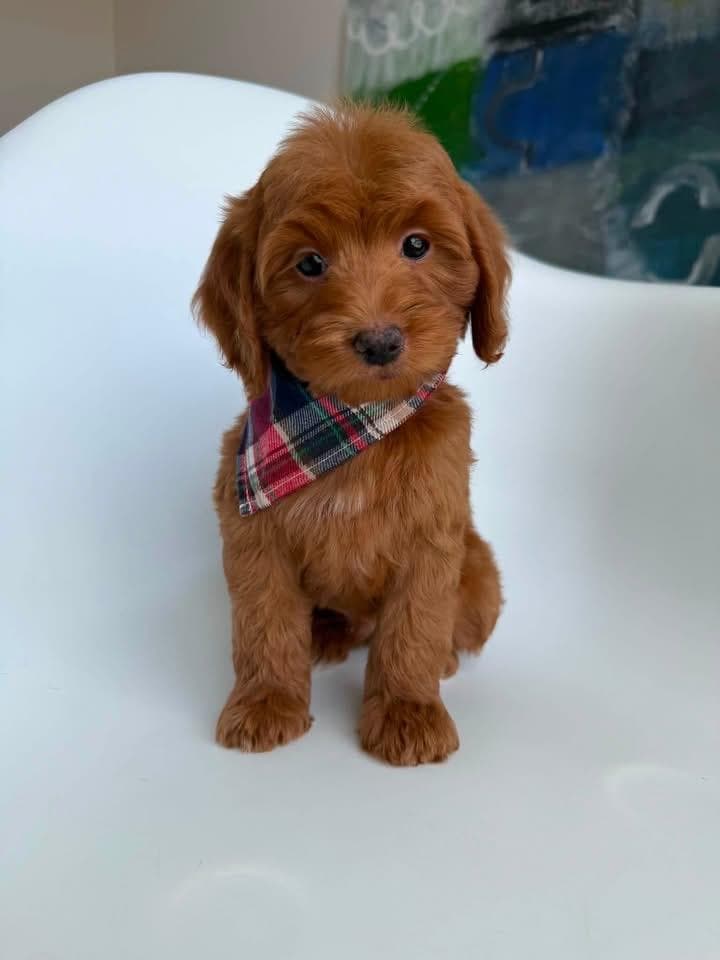 Ready now
E-Blue Boy
Goldendoodle · Male · 7–15 lbs
20 weeks · Lewisville, TX
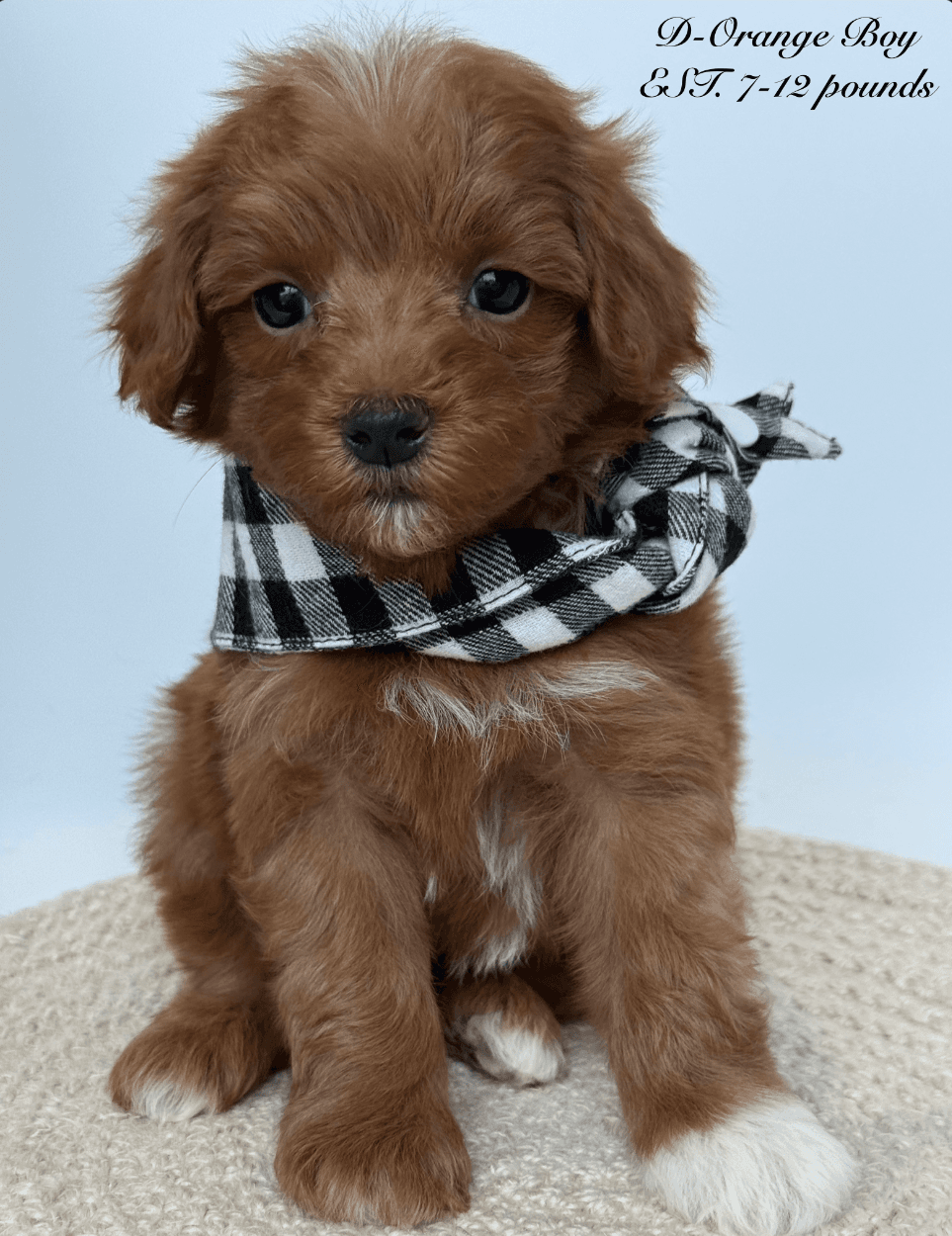
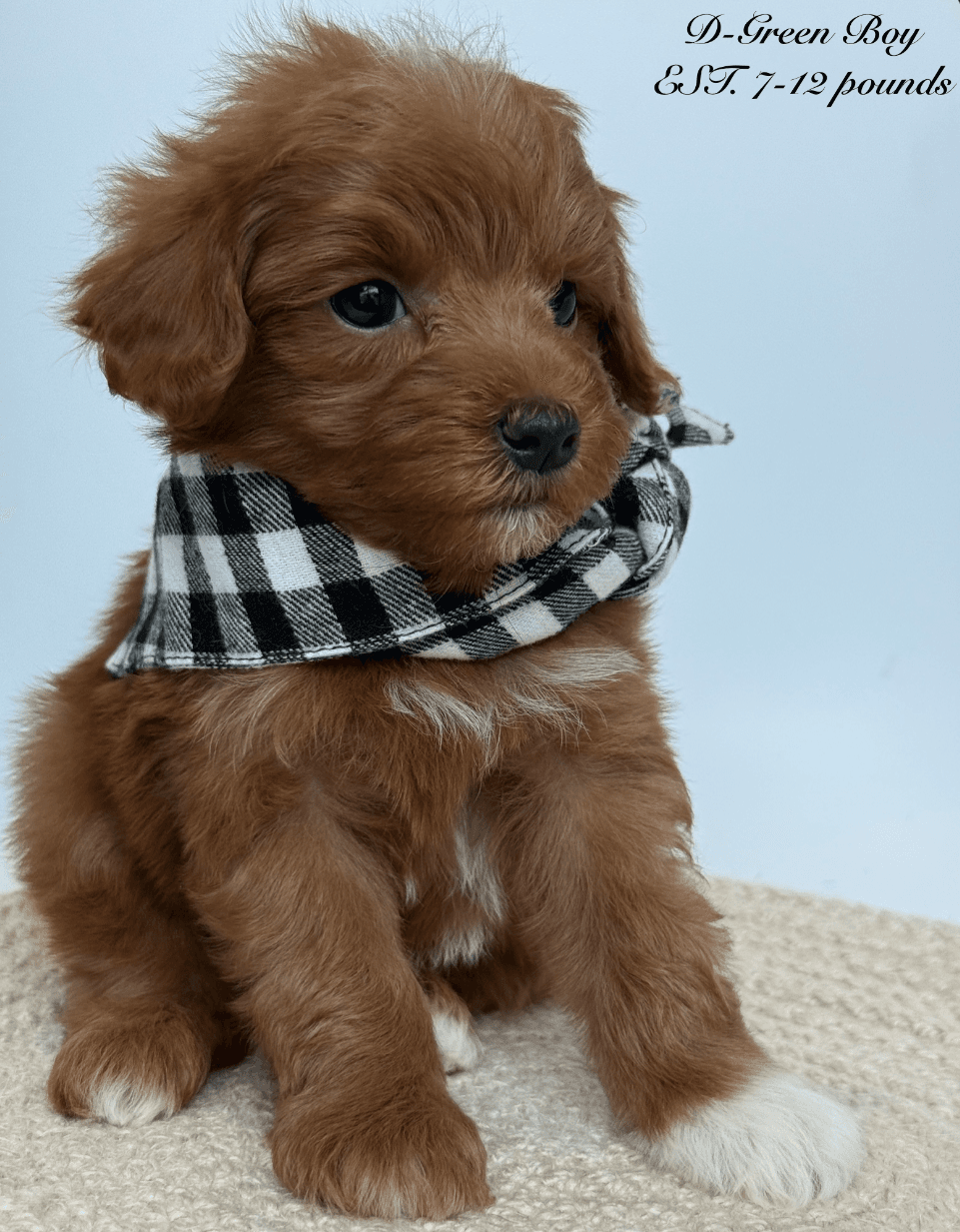 2 photos, showing 1Ready now
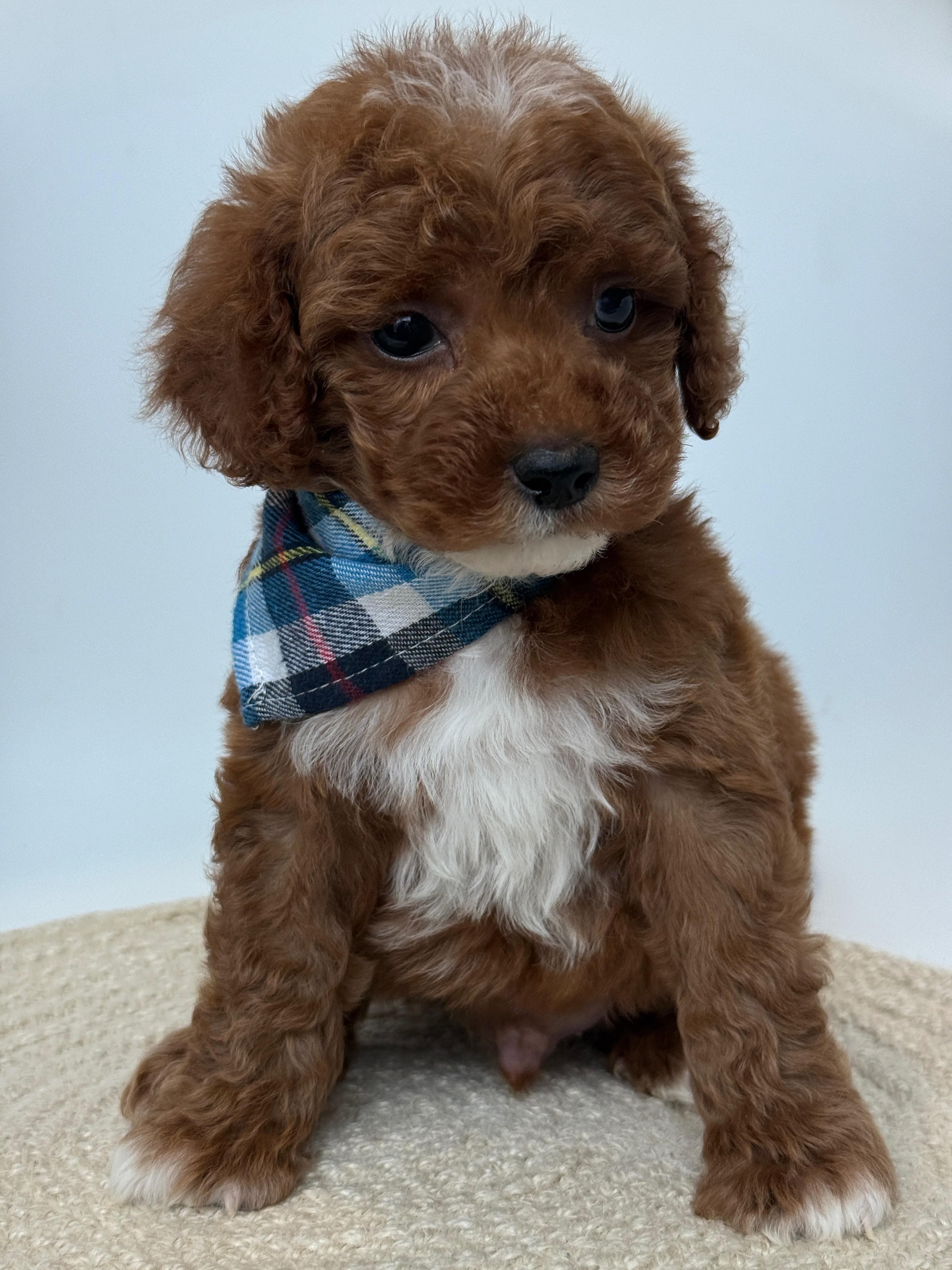
D -Orange Boy
Goldendoodle · Male · 9–12 lbs
19 weeks · Lewisville, TX
 Ready now
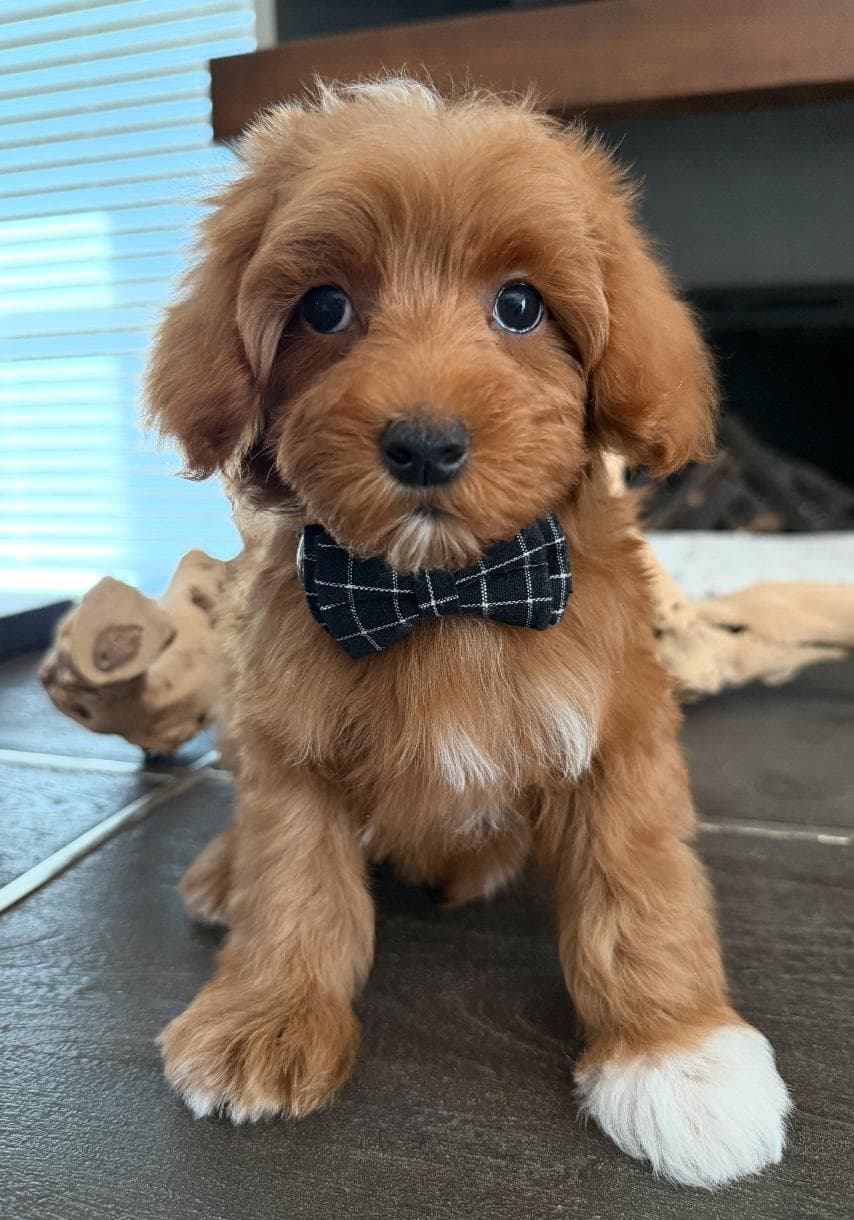
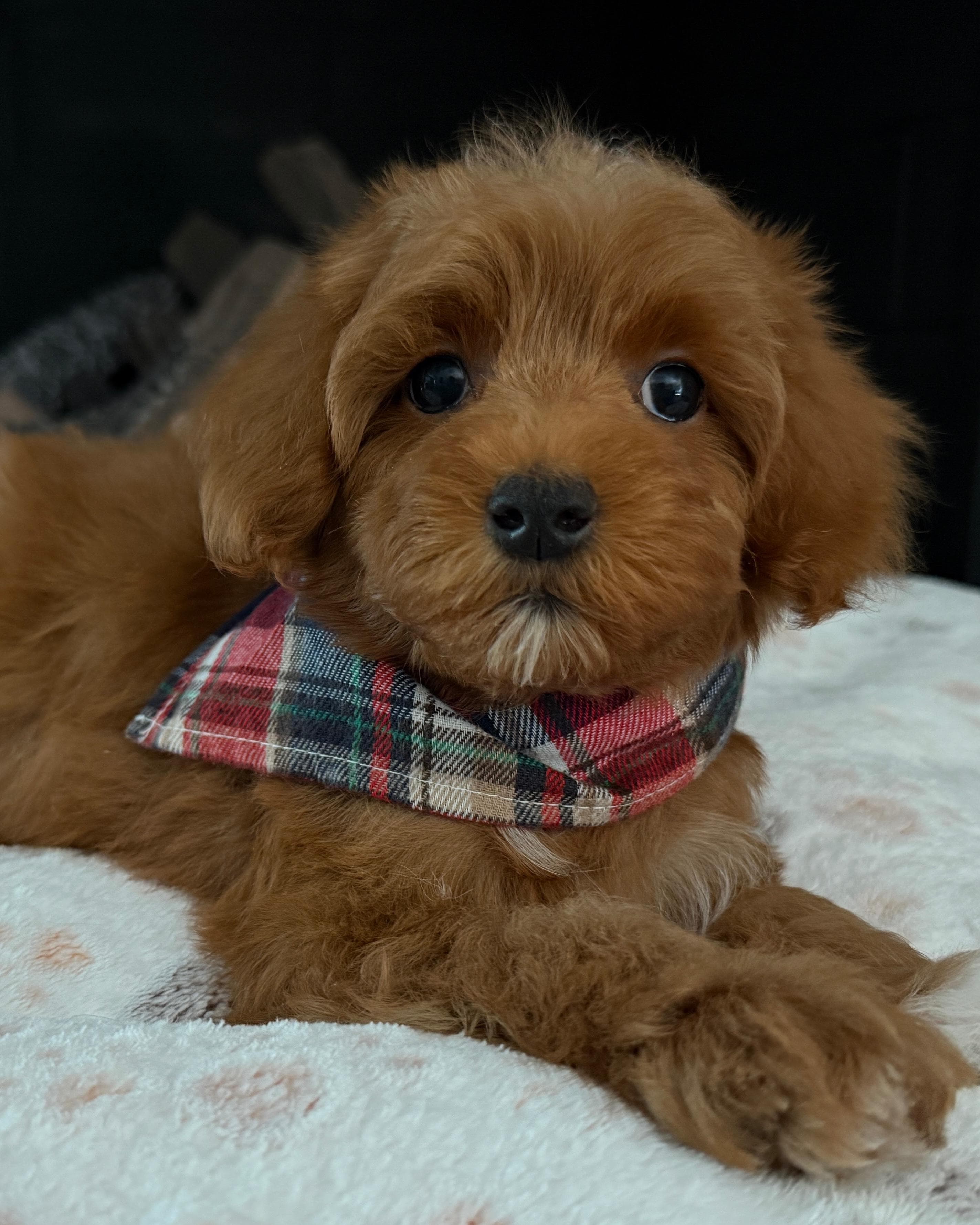
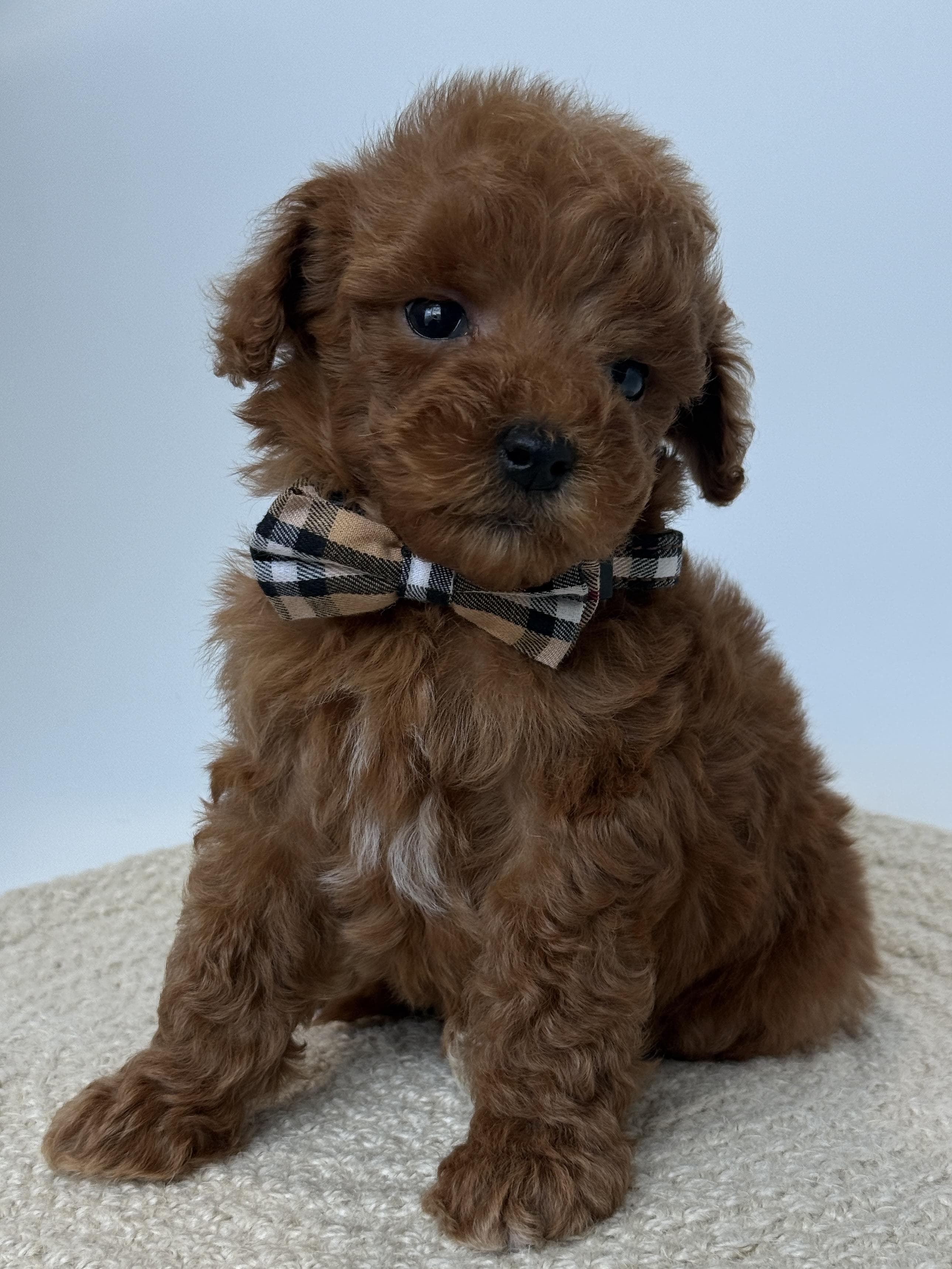
D - Red Boy
Goldendoodle · Male · 9–12 lbs
19 weeks · Lewisville, TX
 3 photos, showing 1Ready now
D - Blue Boy
Goldendoodle · Male · 9–12 lbs
19 weeks · Lewisville, TX
 4 photos, showing 1Ready now
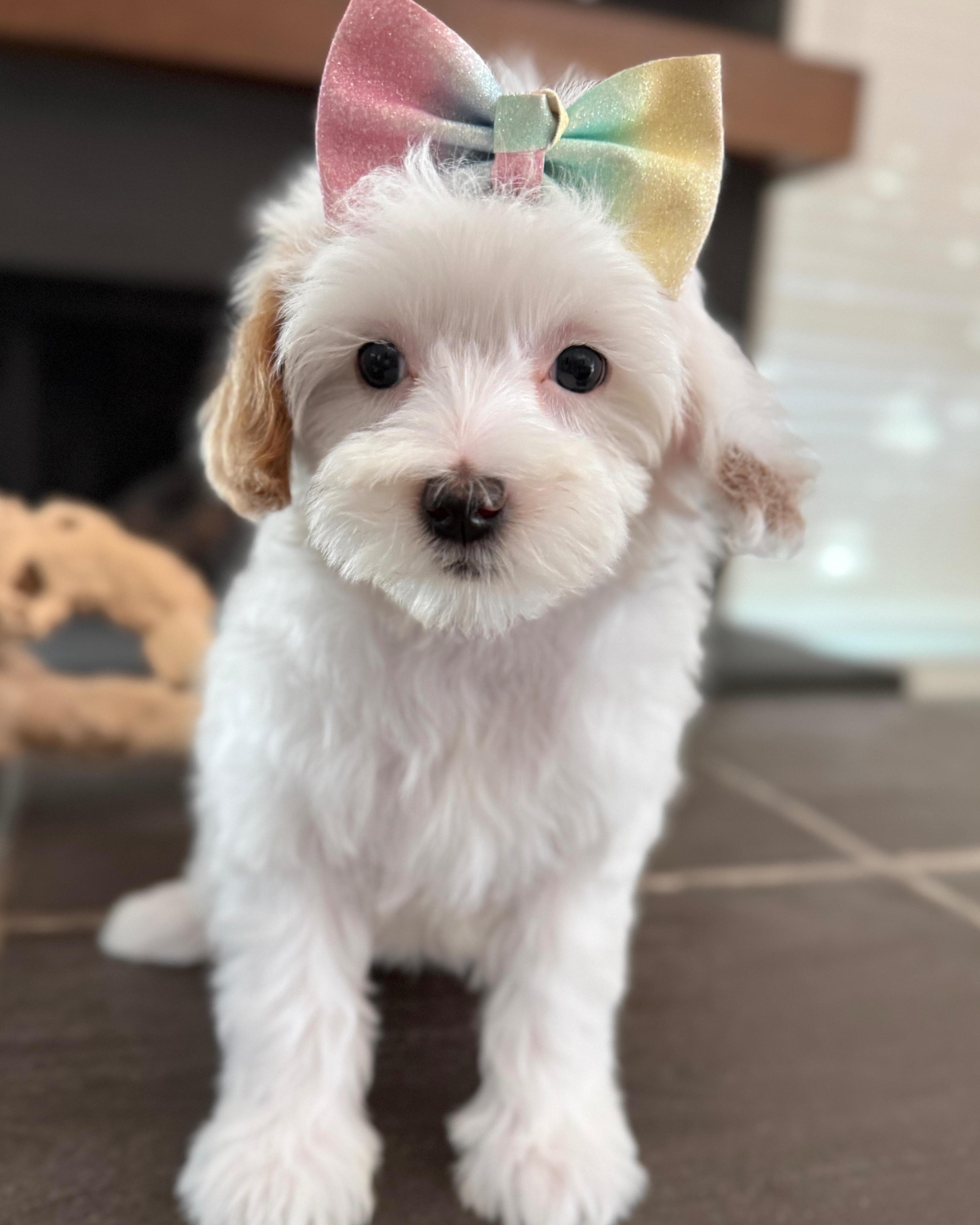
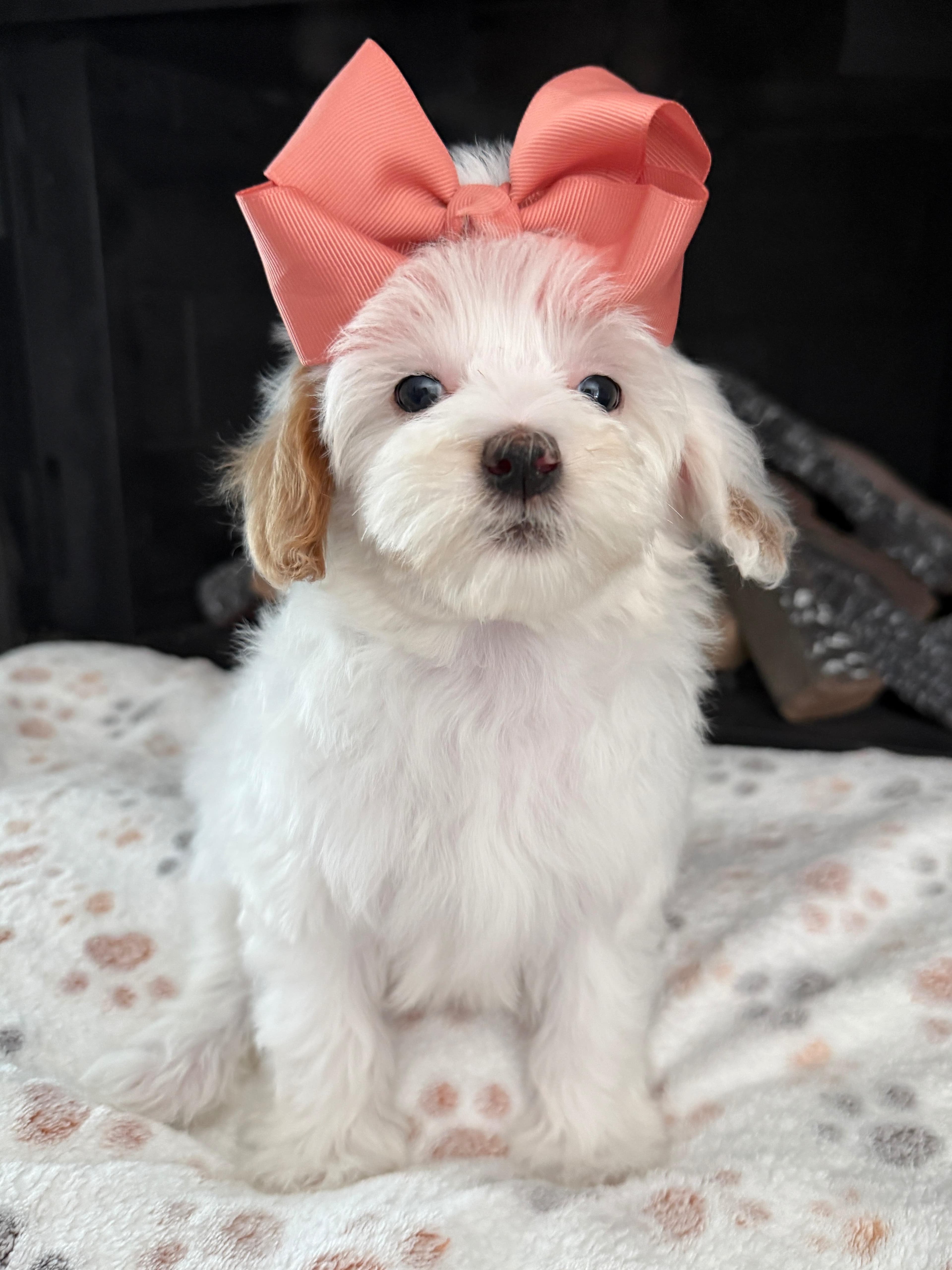
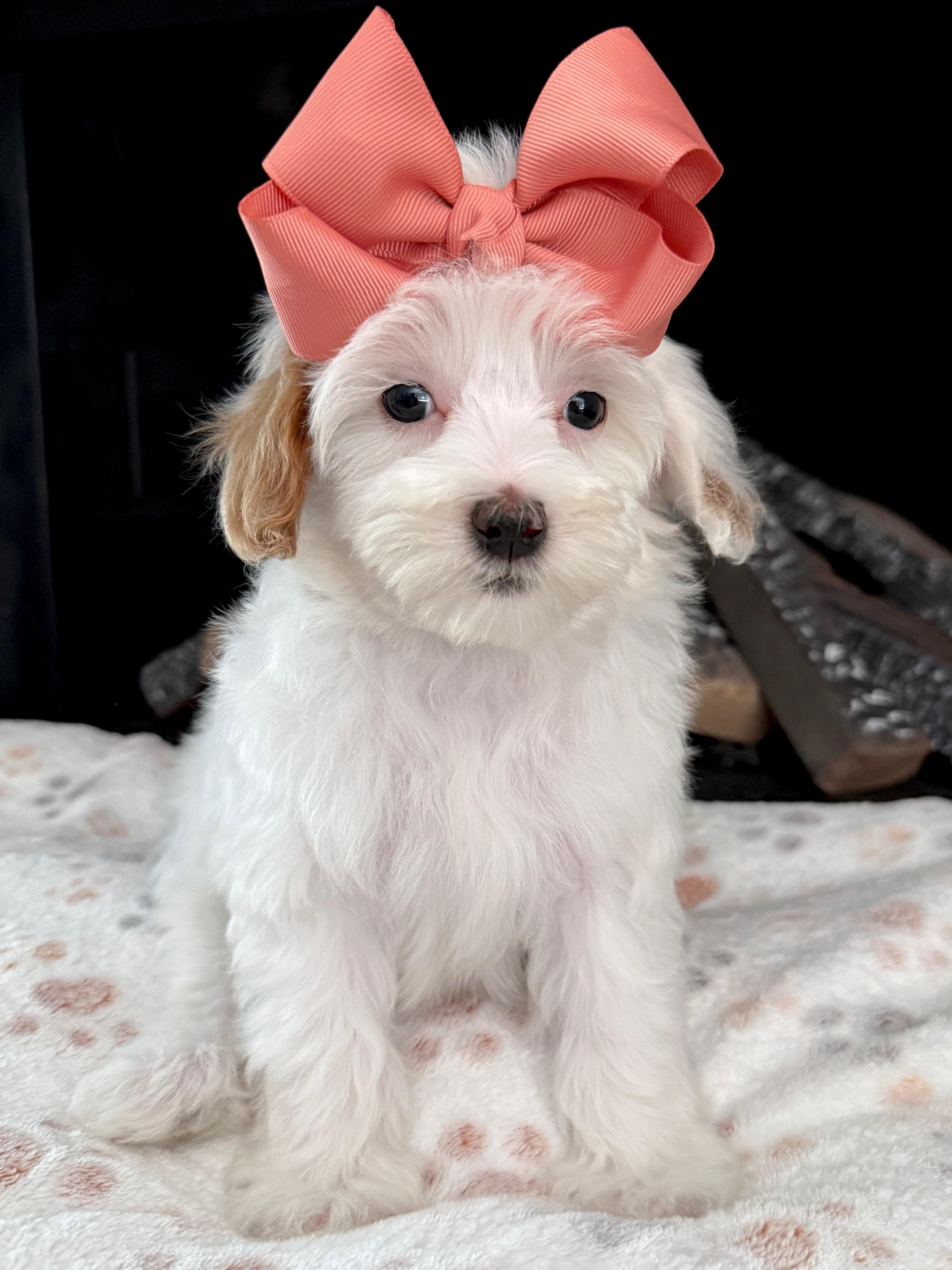
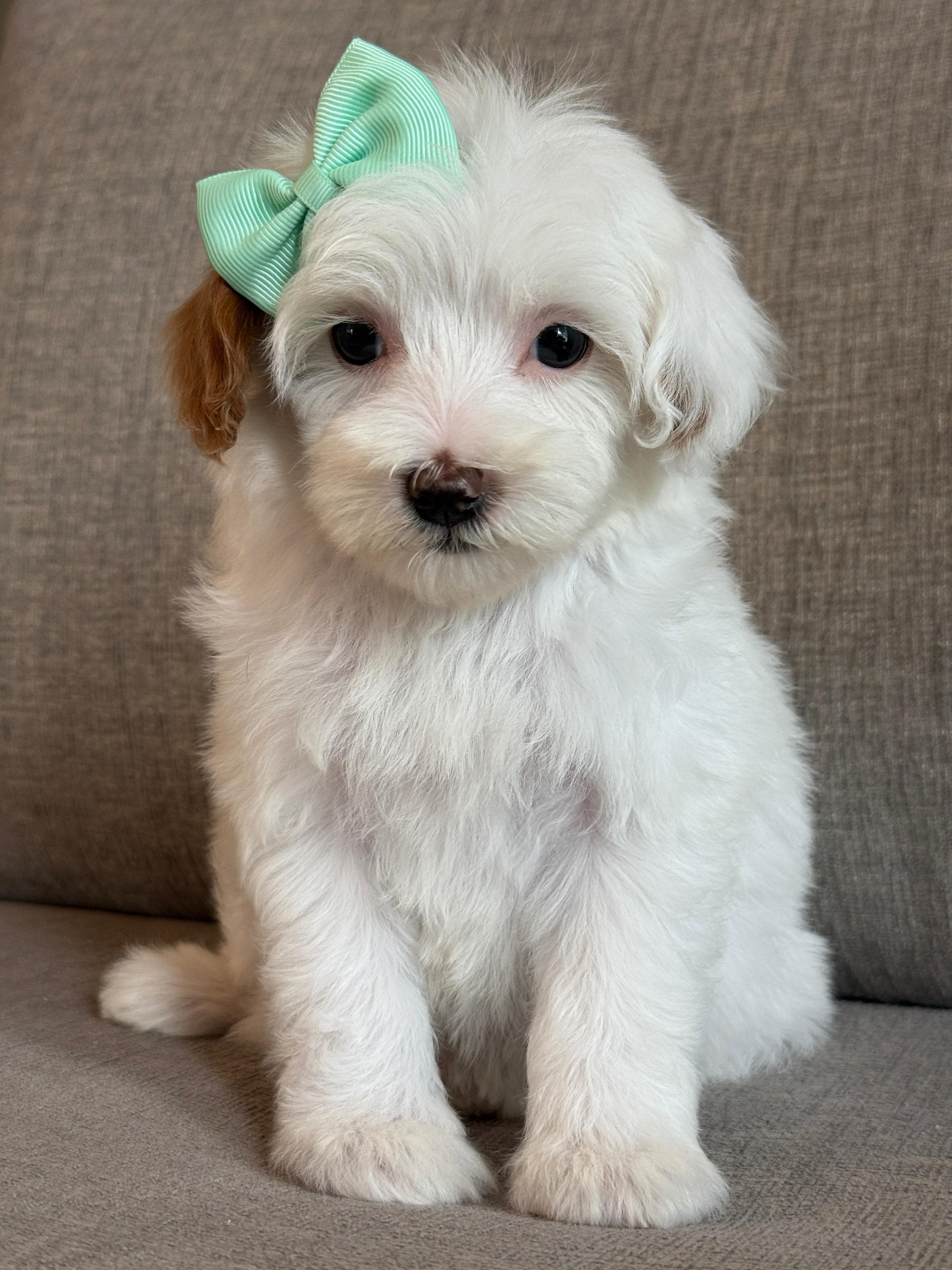
D- Peach Girl
Goldendoodle · Female · 9–12 lbs
19 weeks · Lewisville, TX
 Ready now
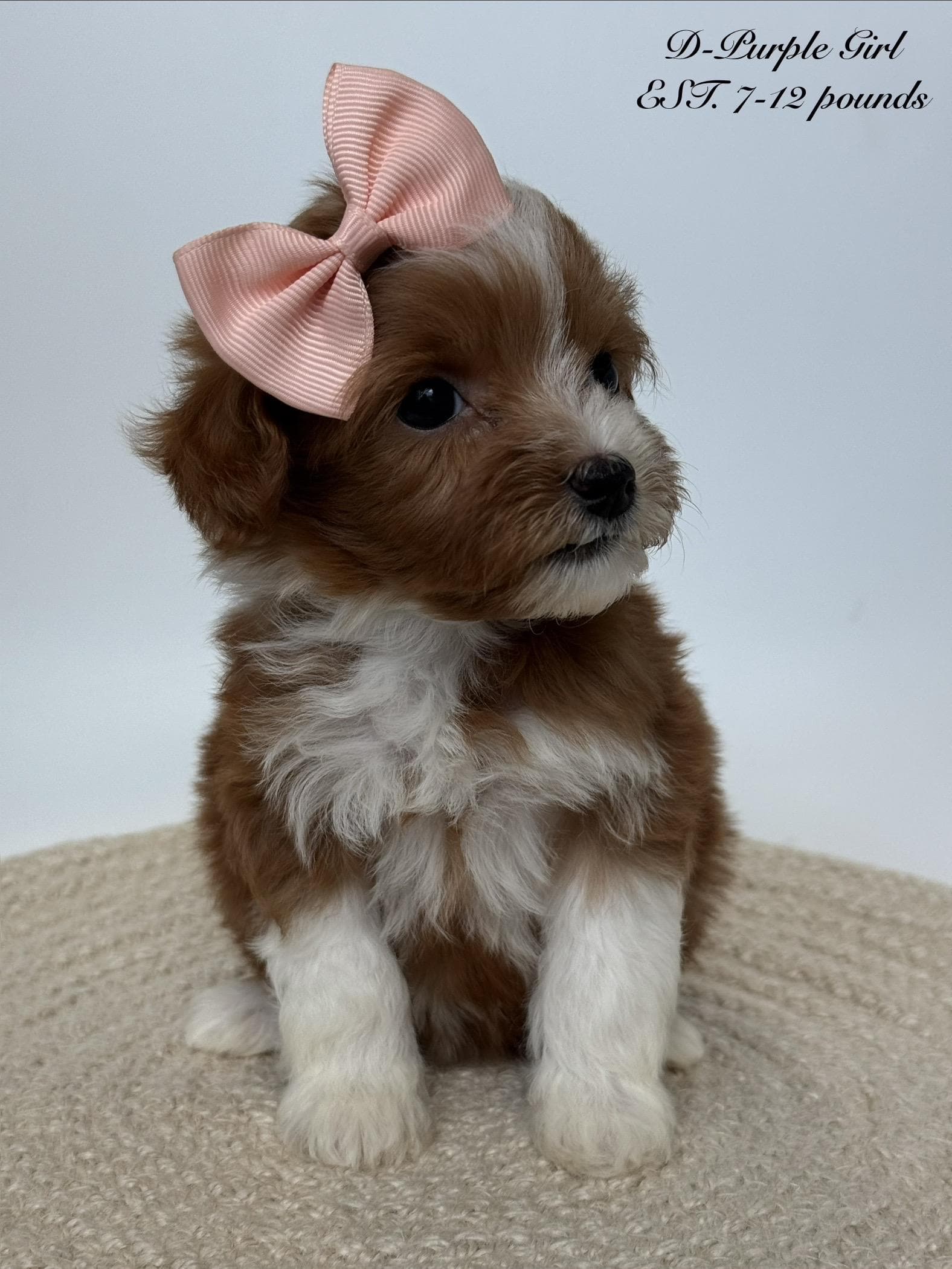
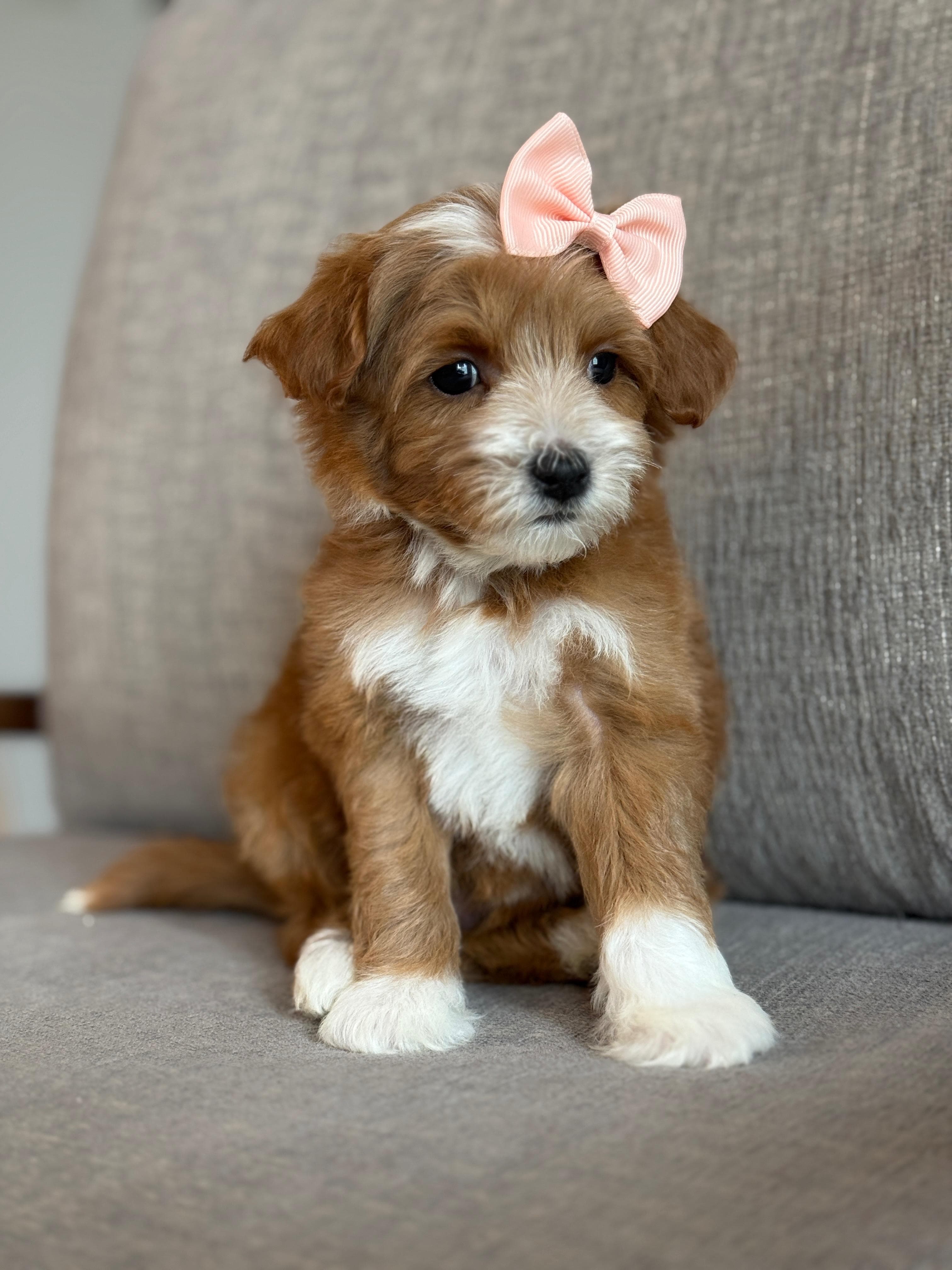
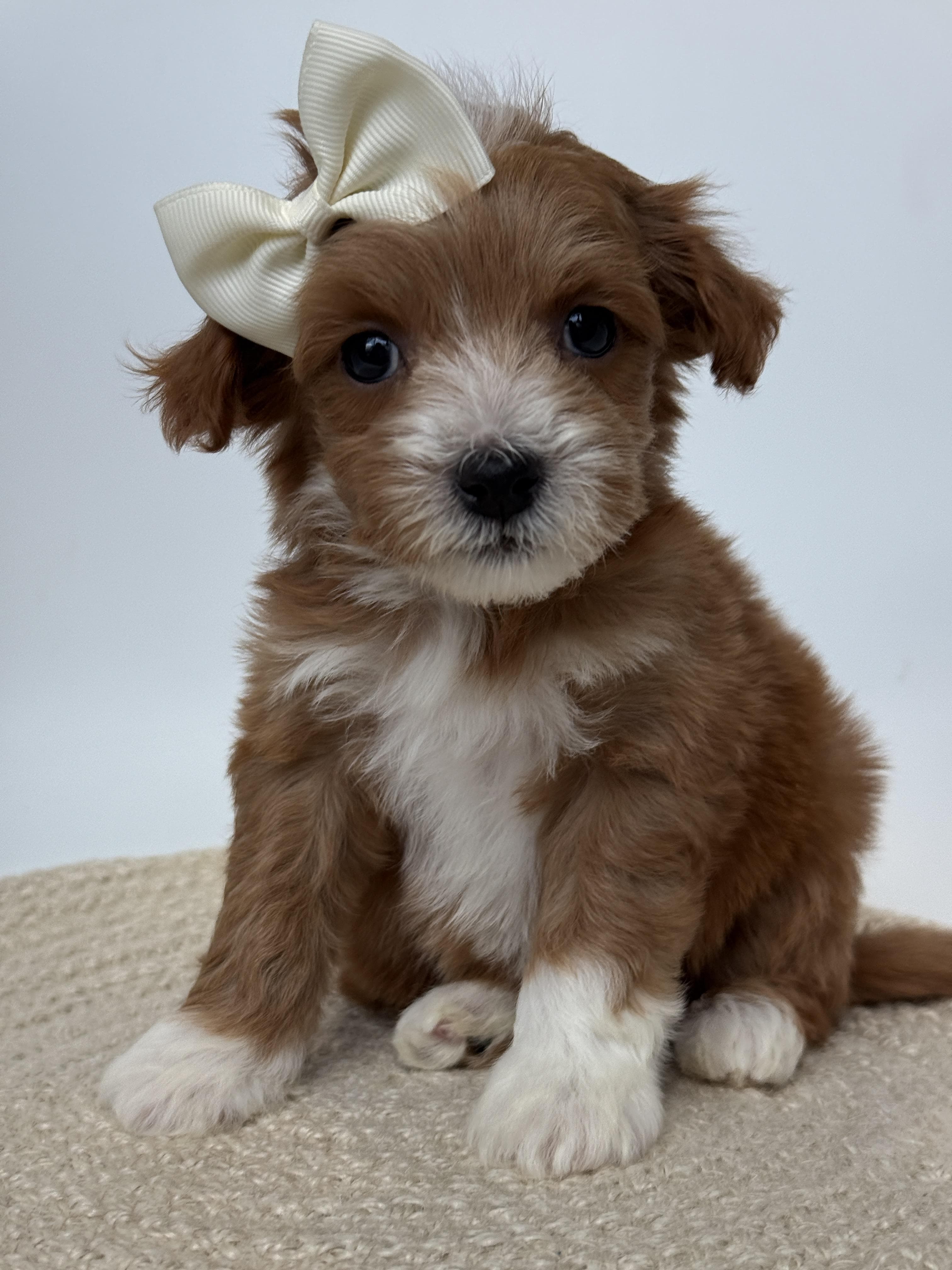
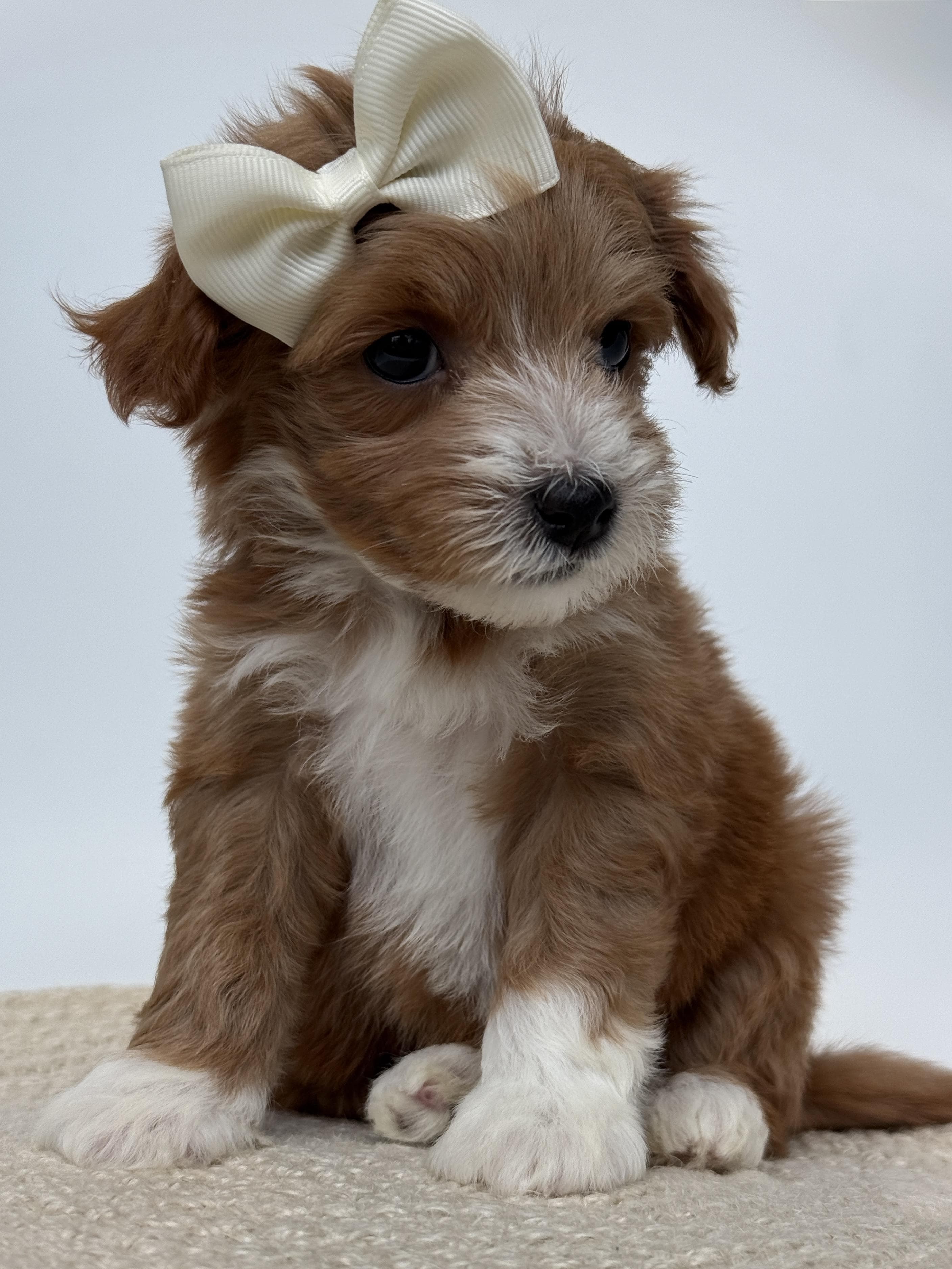
D- Purple Girl
Goldendoodle · Female · 9–12 lbs
19 weeks · Lewisville, TX
 3 photos, showing 1Ready now
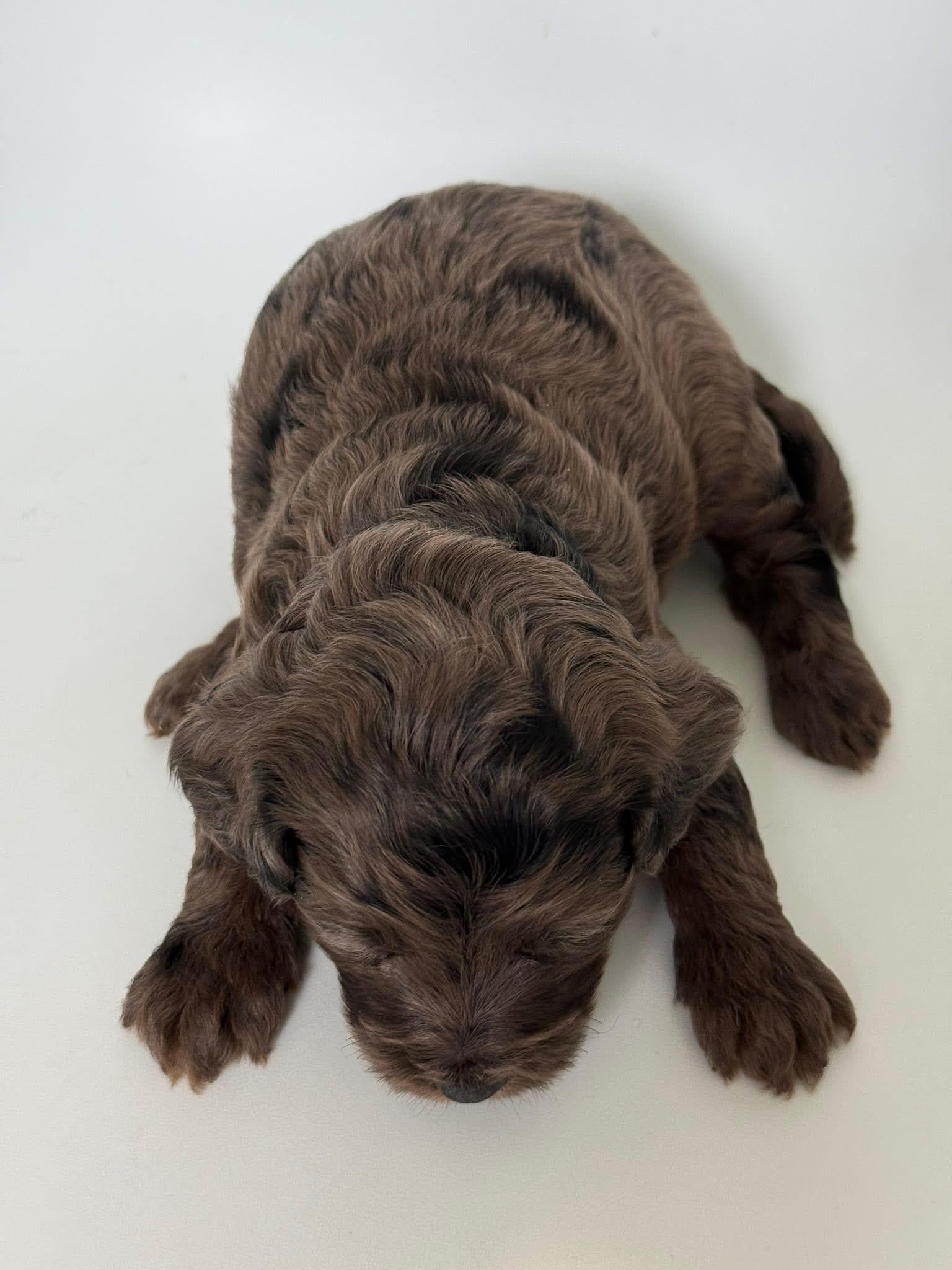
D-Pink Gril
Goldendoodle · Female · 9–12 lbs
19 weeks · Lewisville, TX
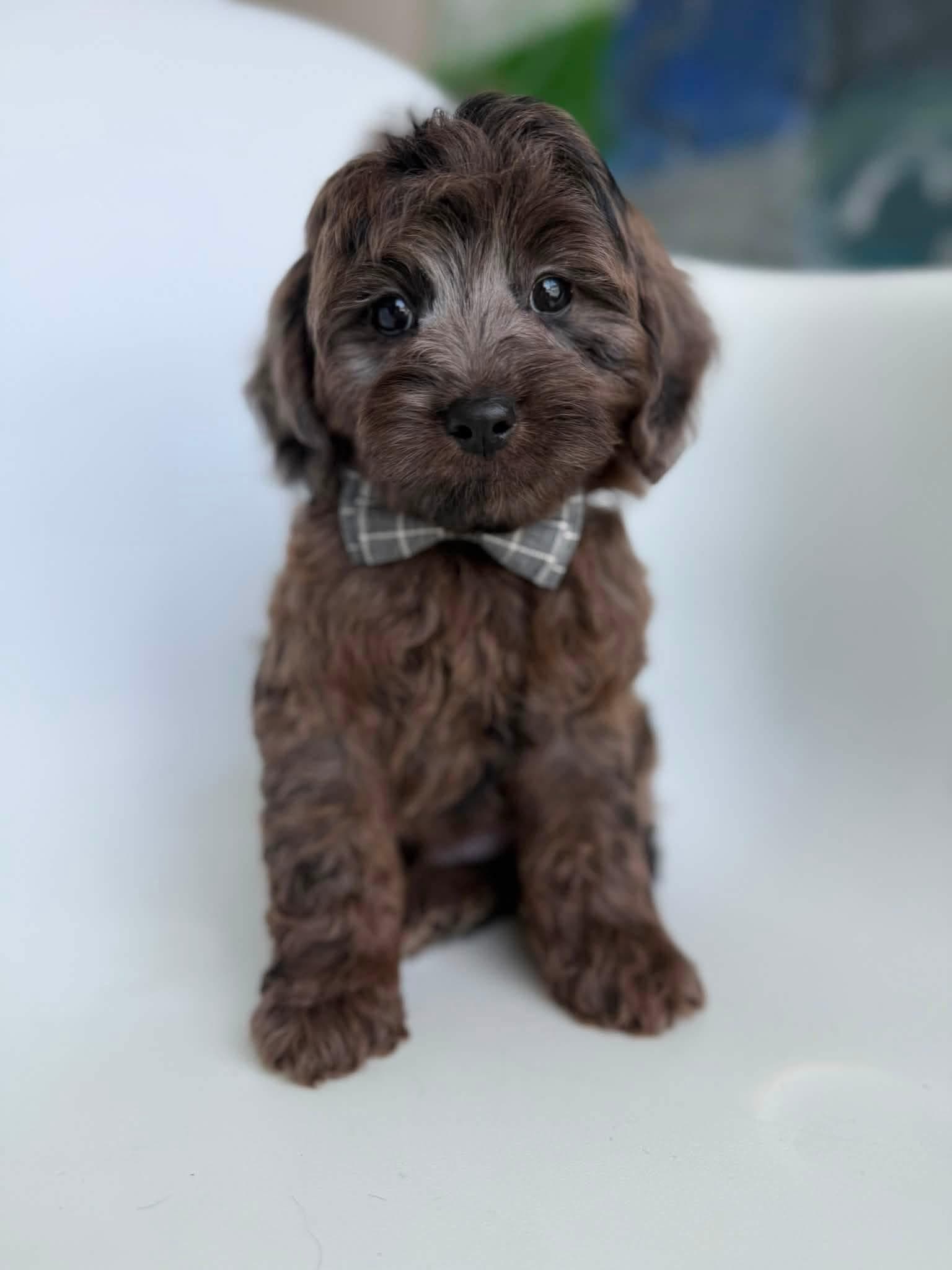
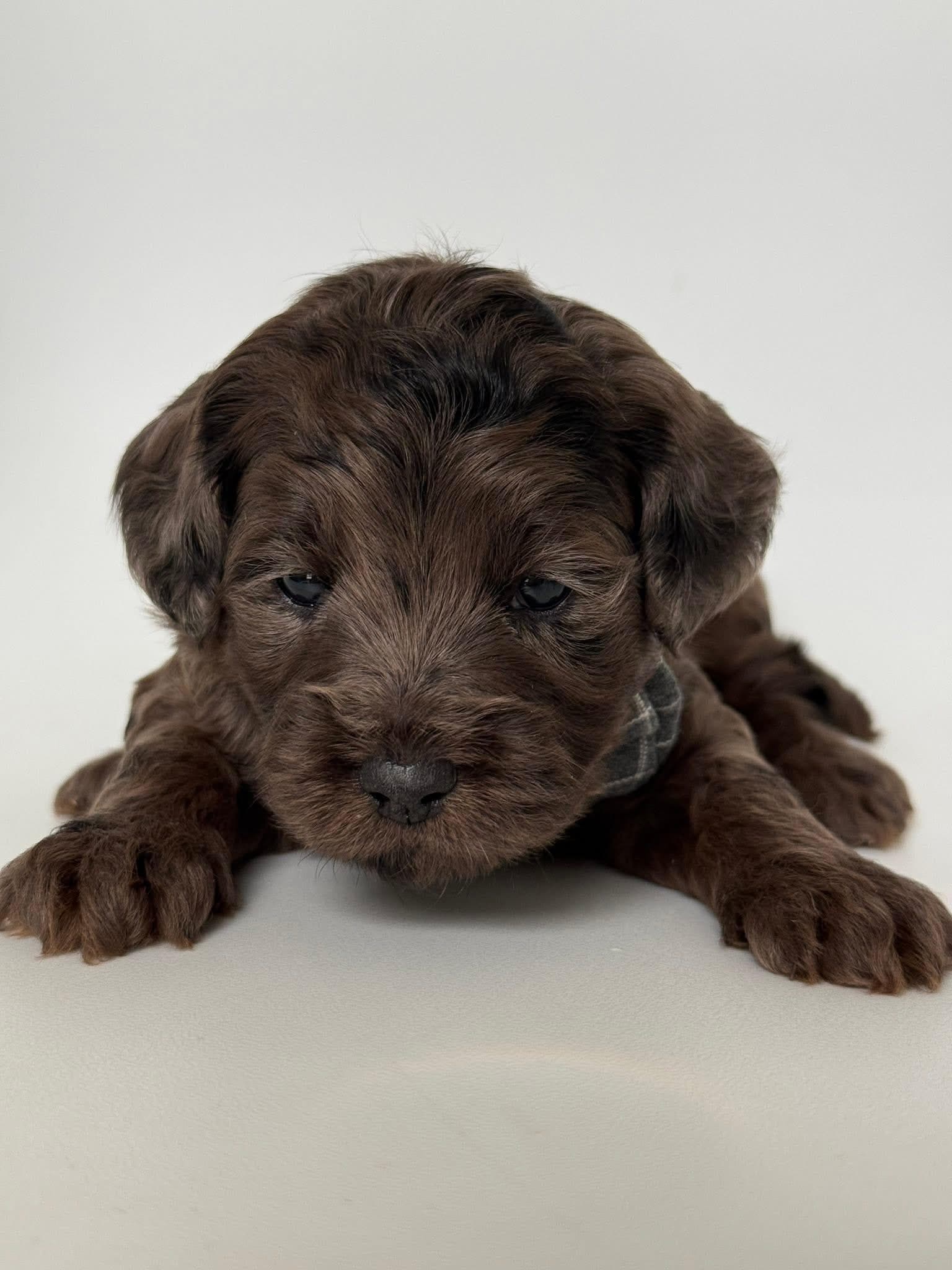
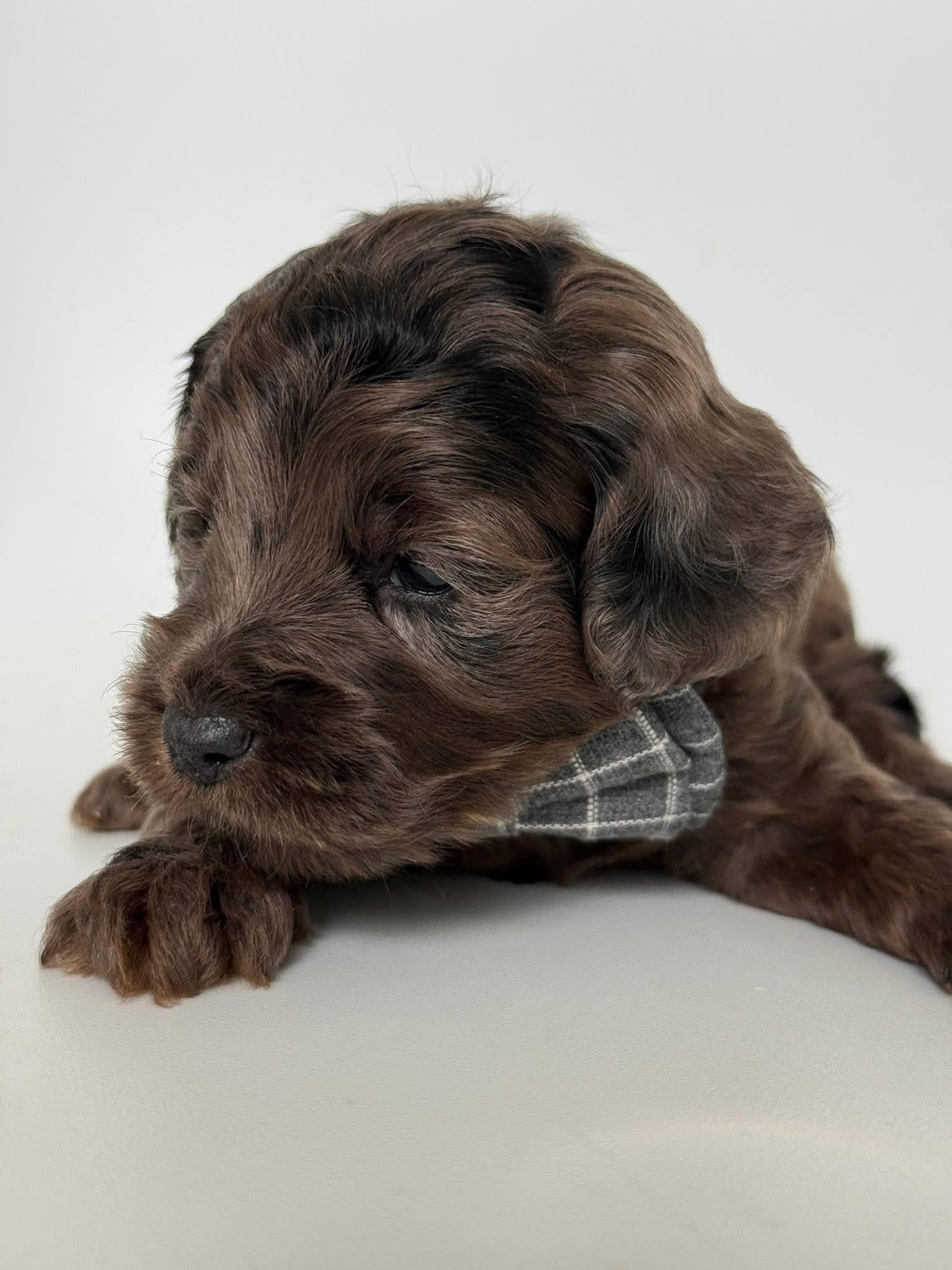
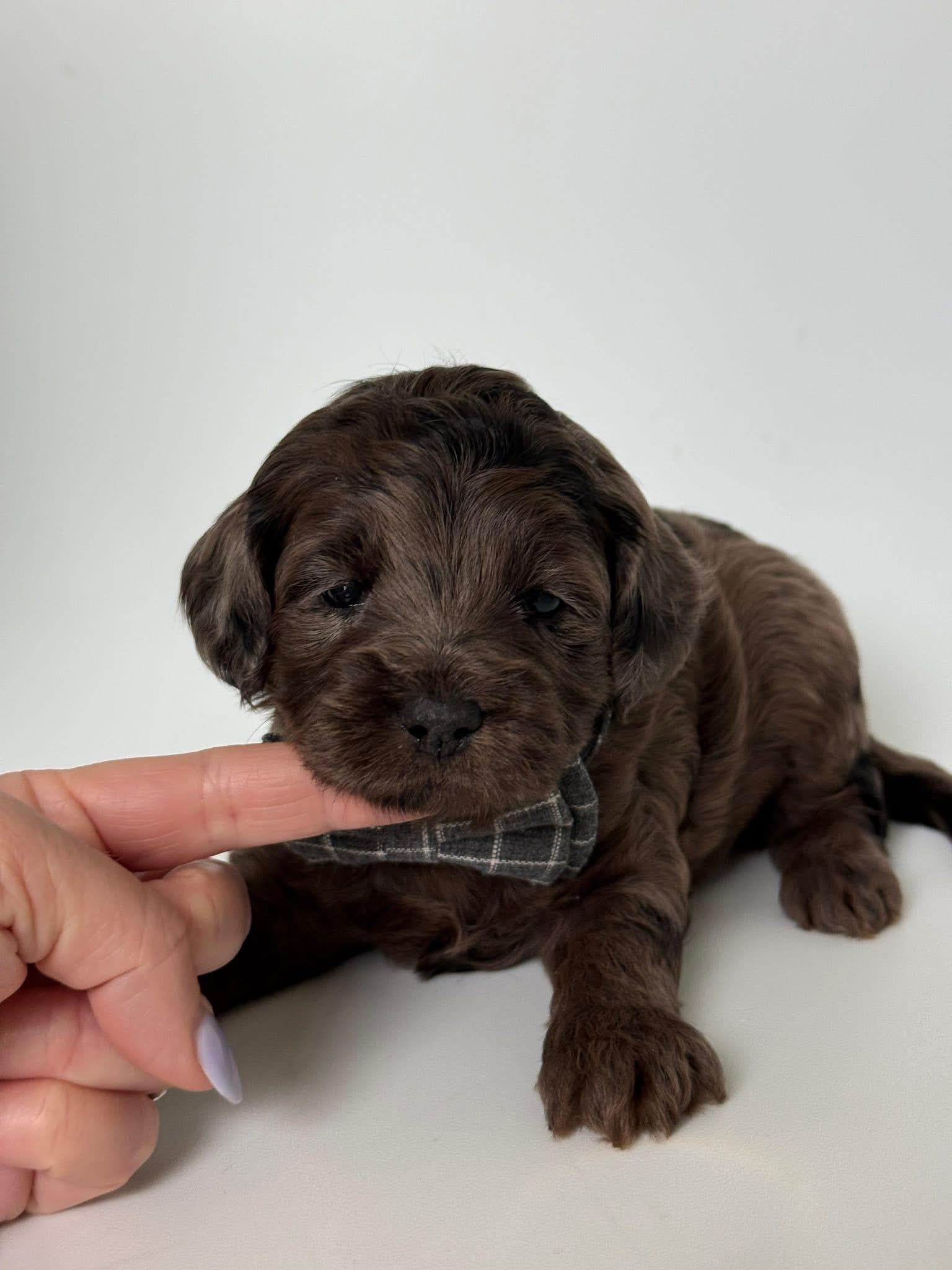
 5 photos, showing 1Ready now
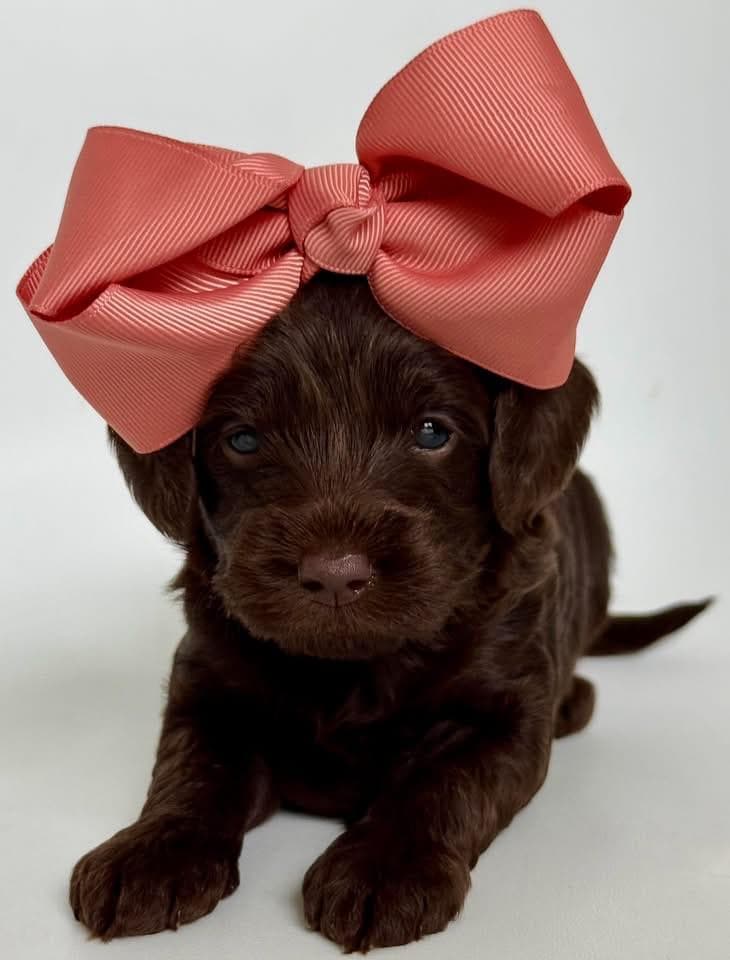
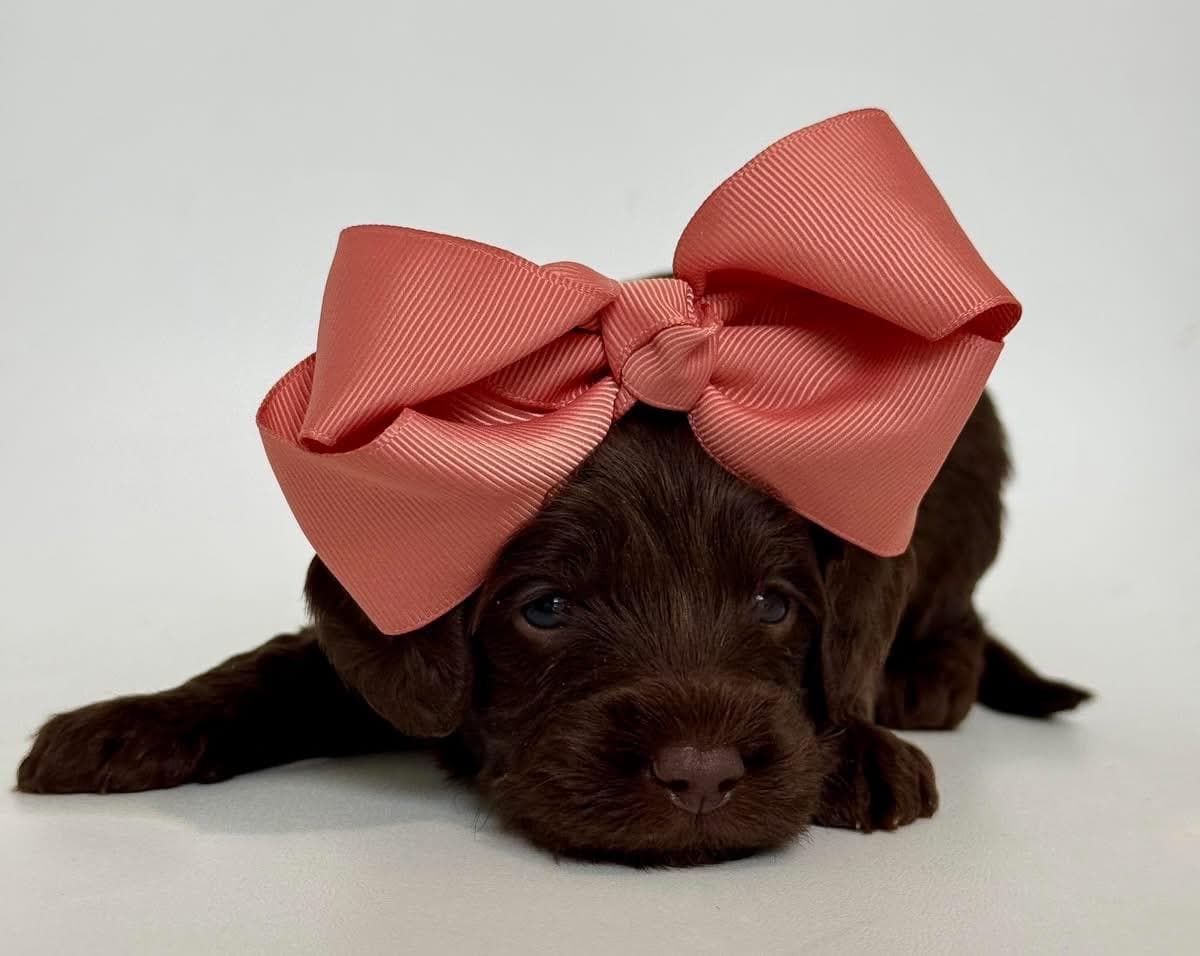
E-Merle Boy
Goldendoodle · Male · 7–15 lbs
20 weeks · Lewisville, TX
 2 photos, showing 1Ready now
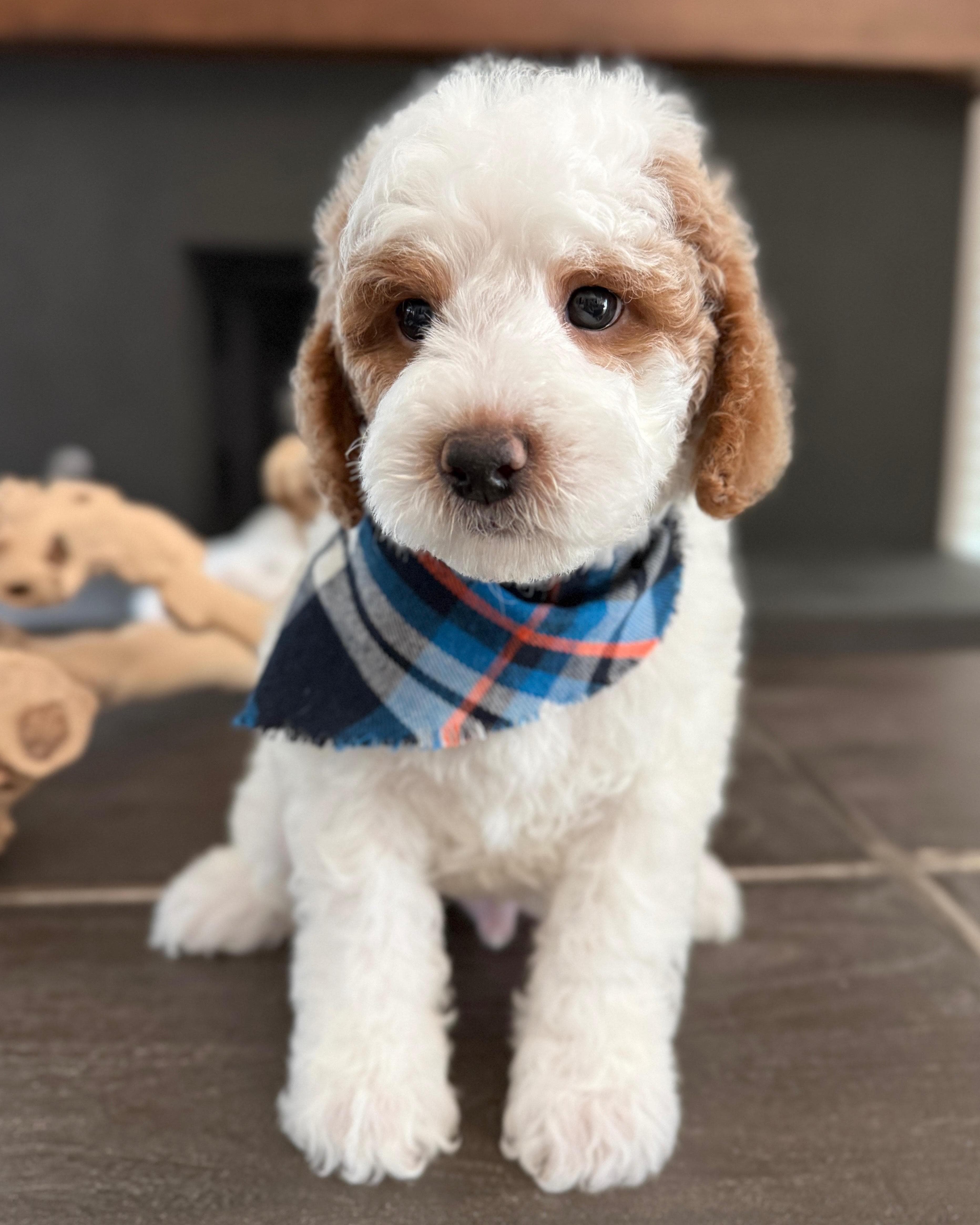
E-Pink Girl
Goldendoodle · Female · 7–15 lbs
20 weeks · Lewisville, TX
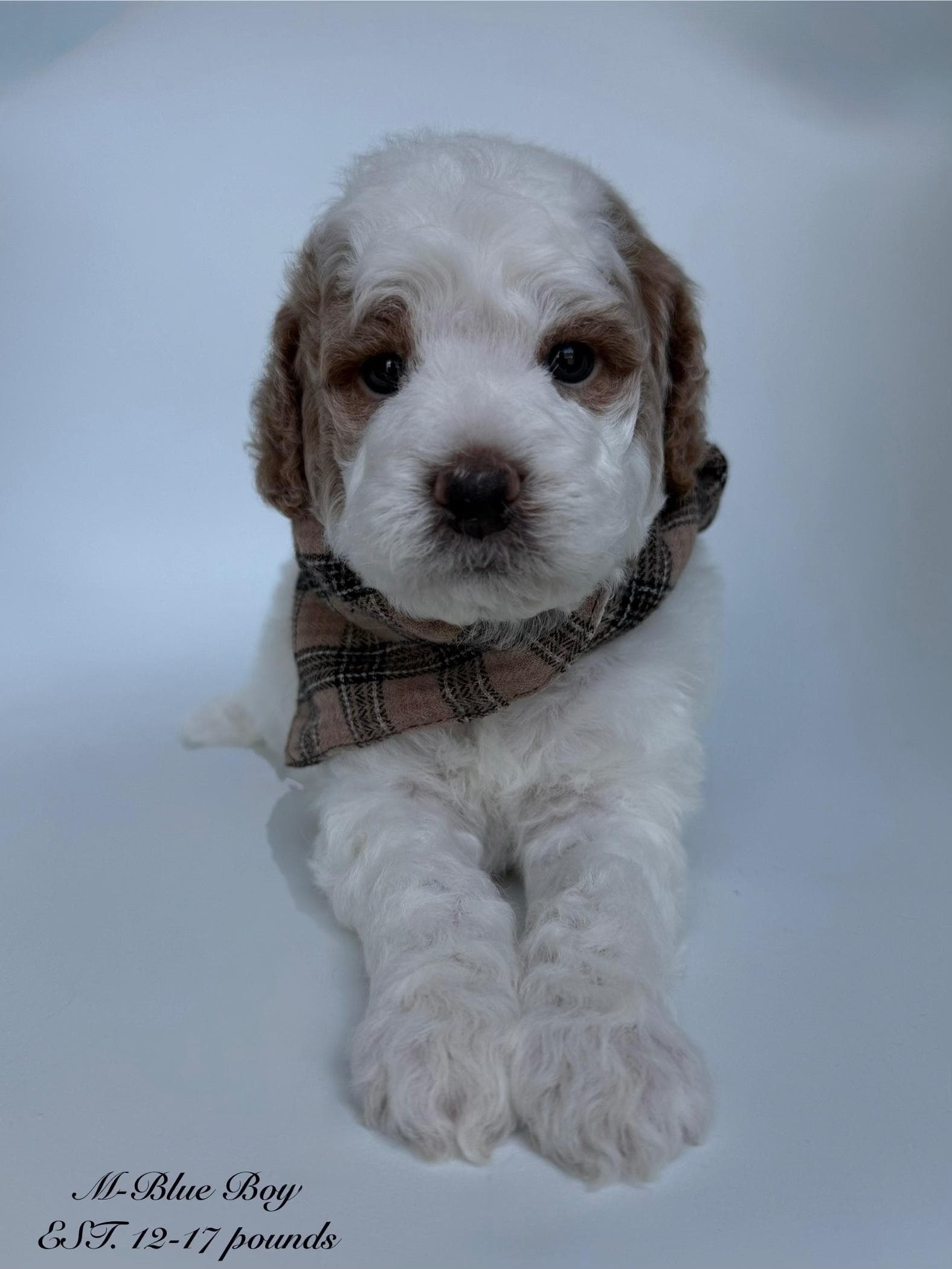
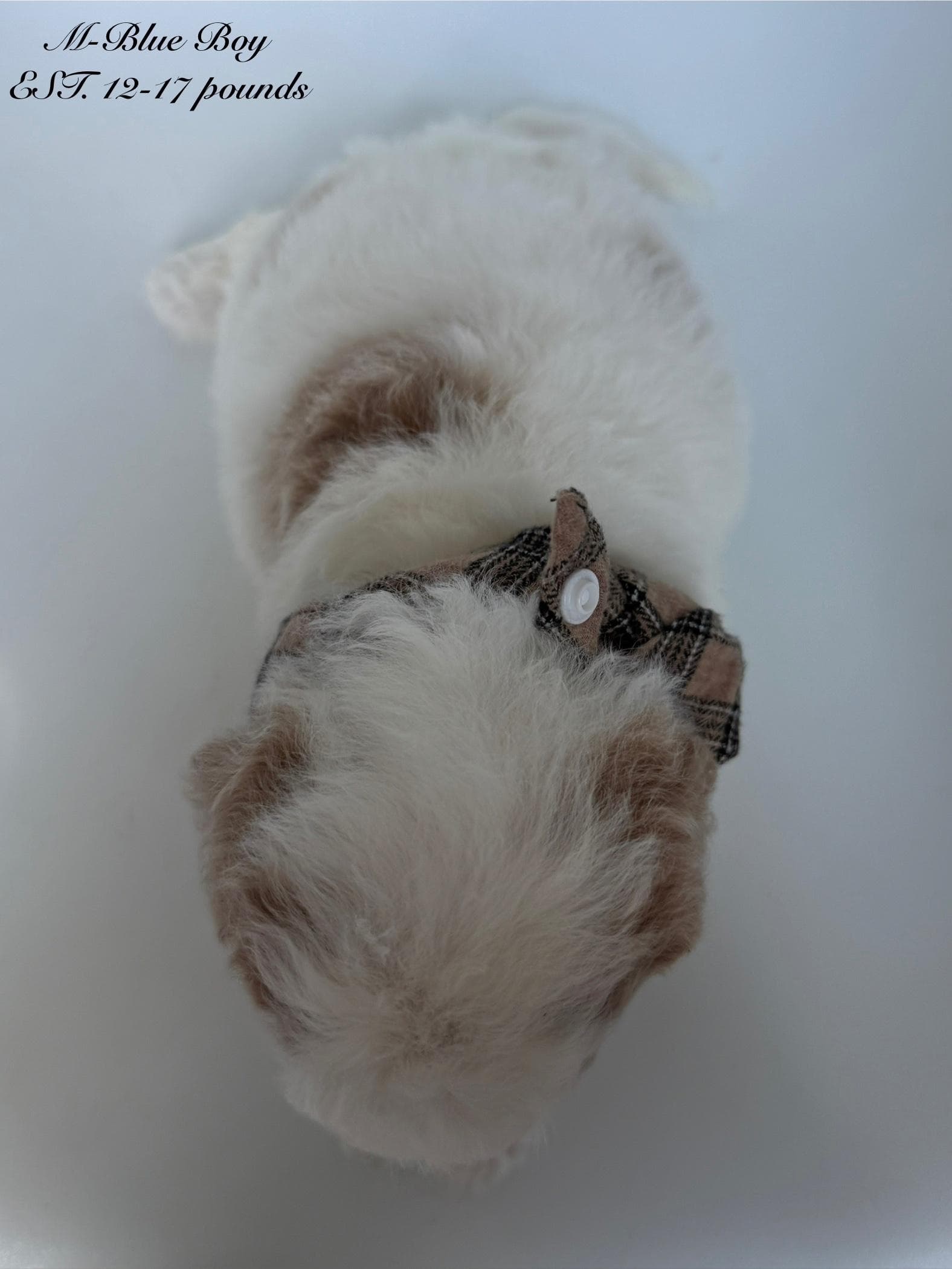
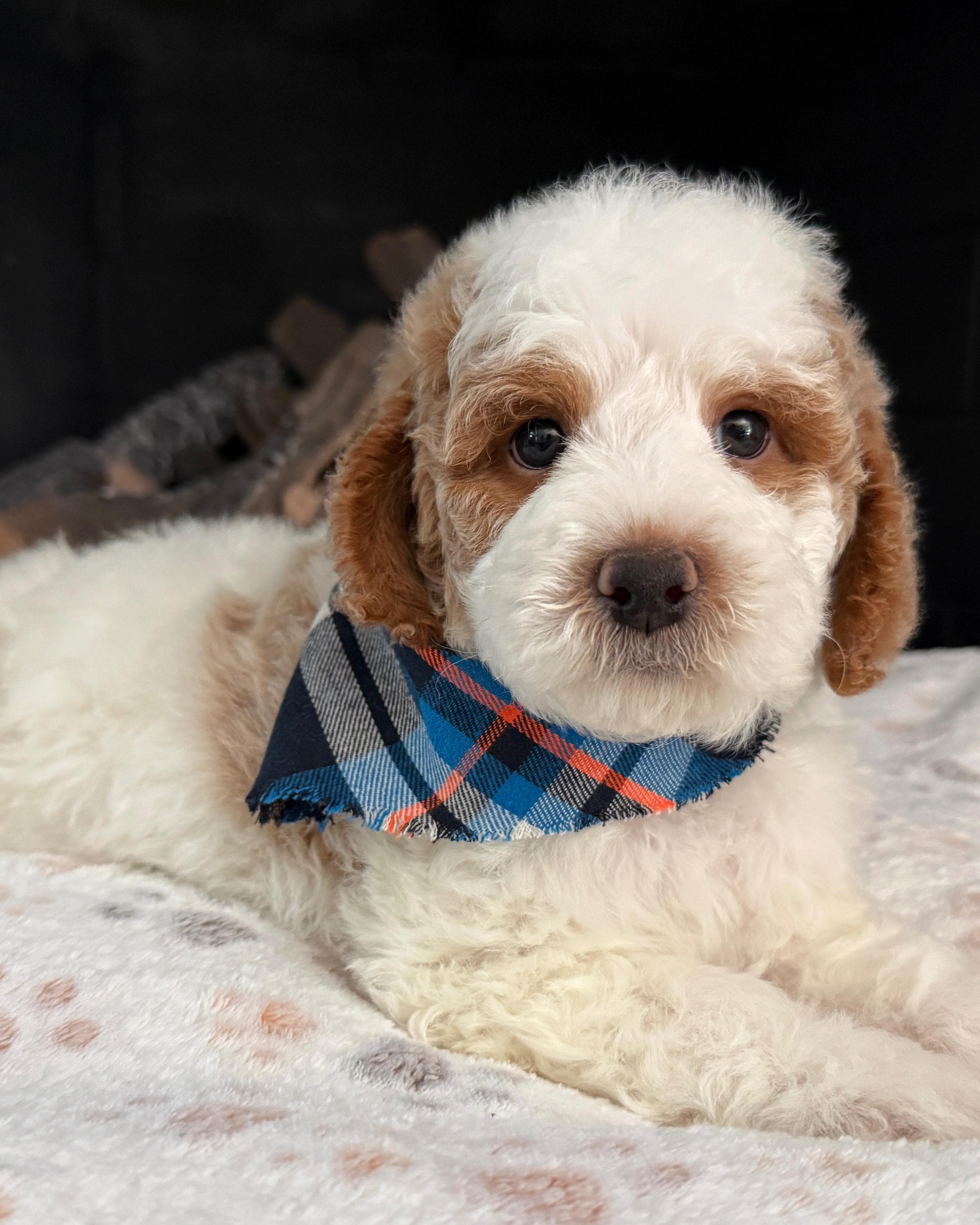 4 photos, showing 1Ready now
M - Blue Boy
Goldendoodle · Male · 15–17 lbs
16 weeks · Lewisville, TX
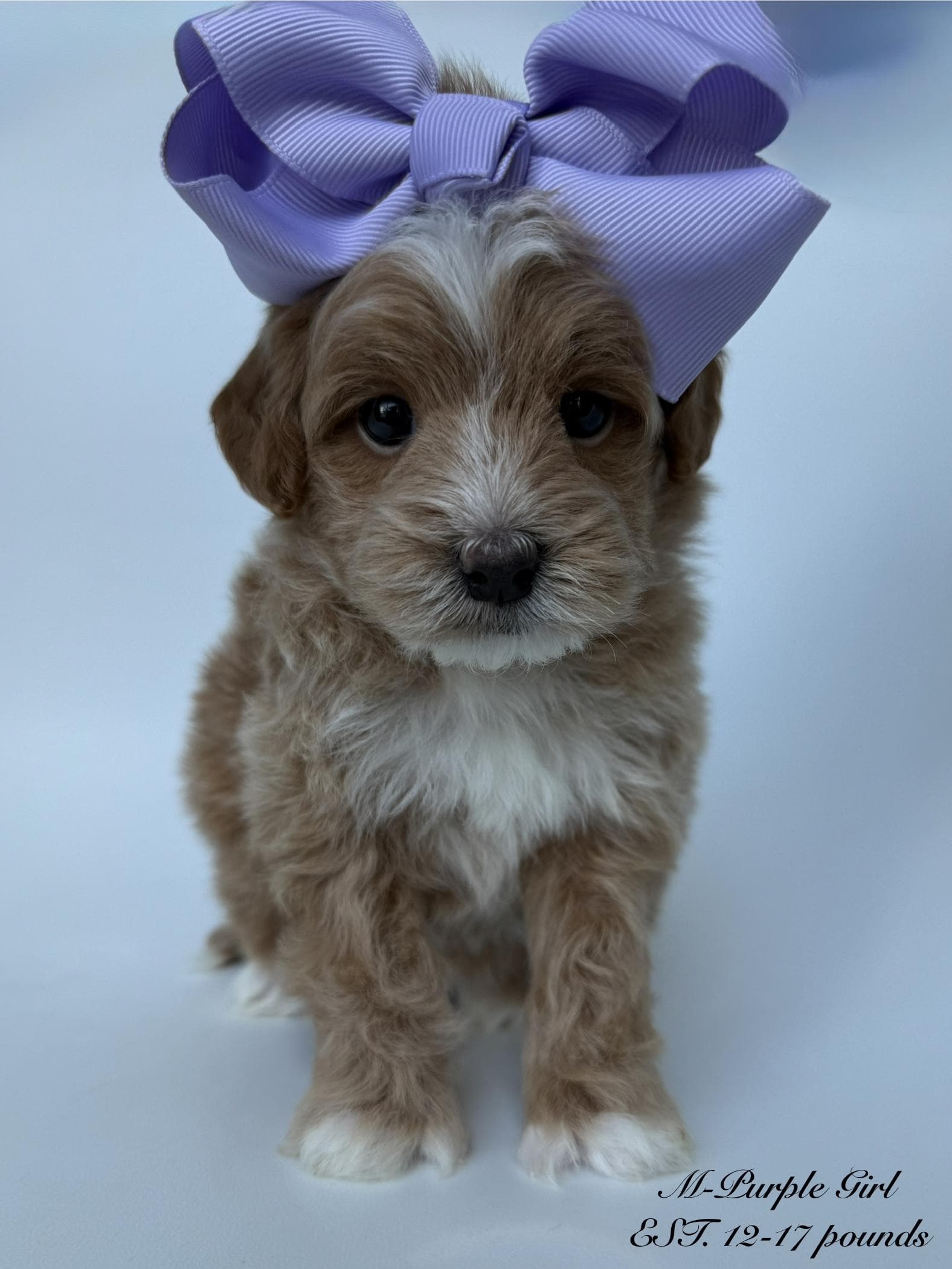
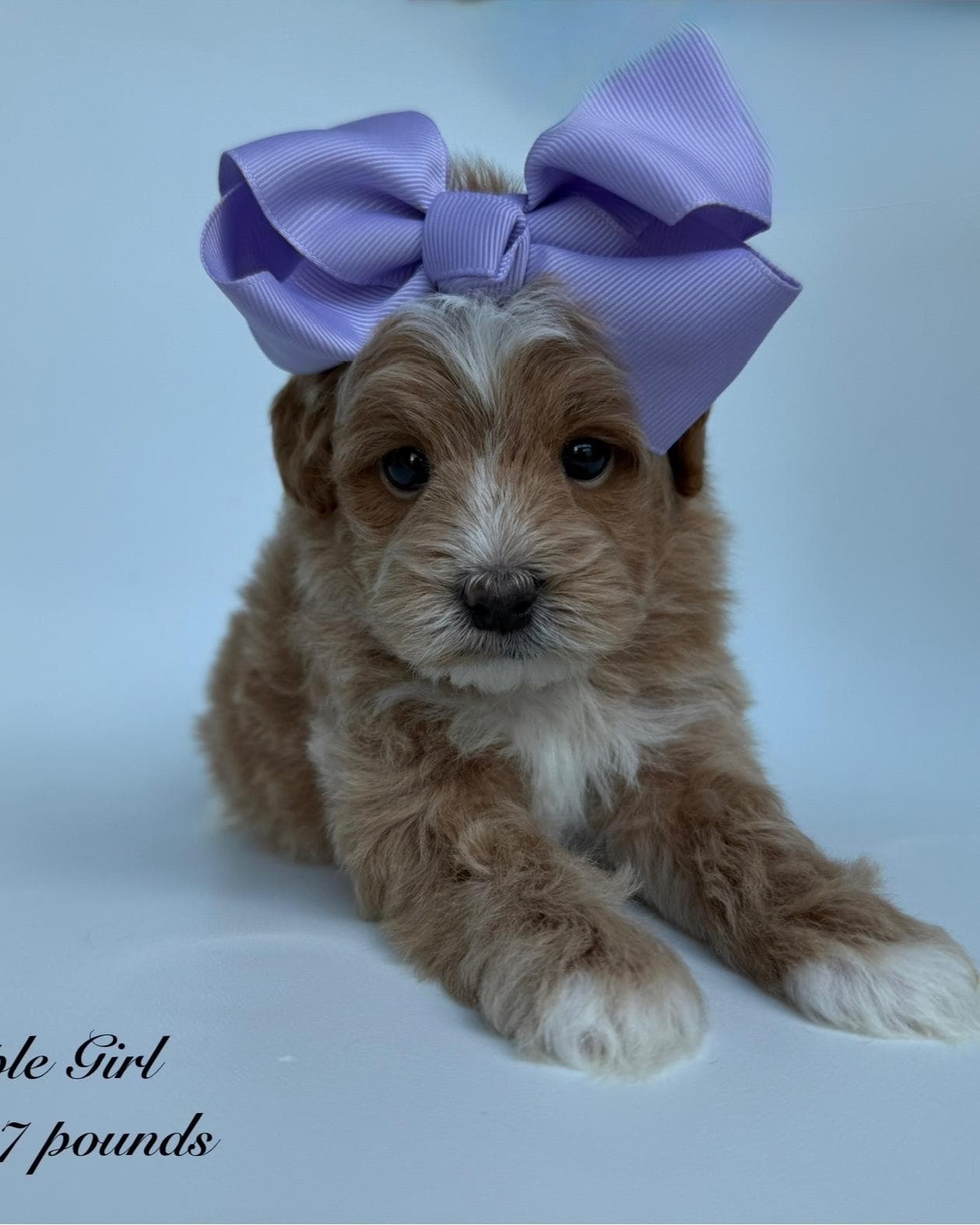
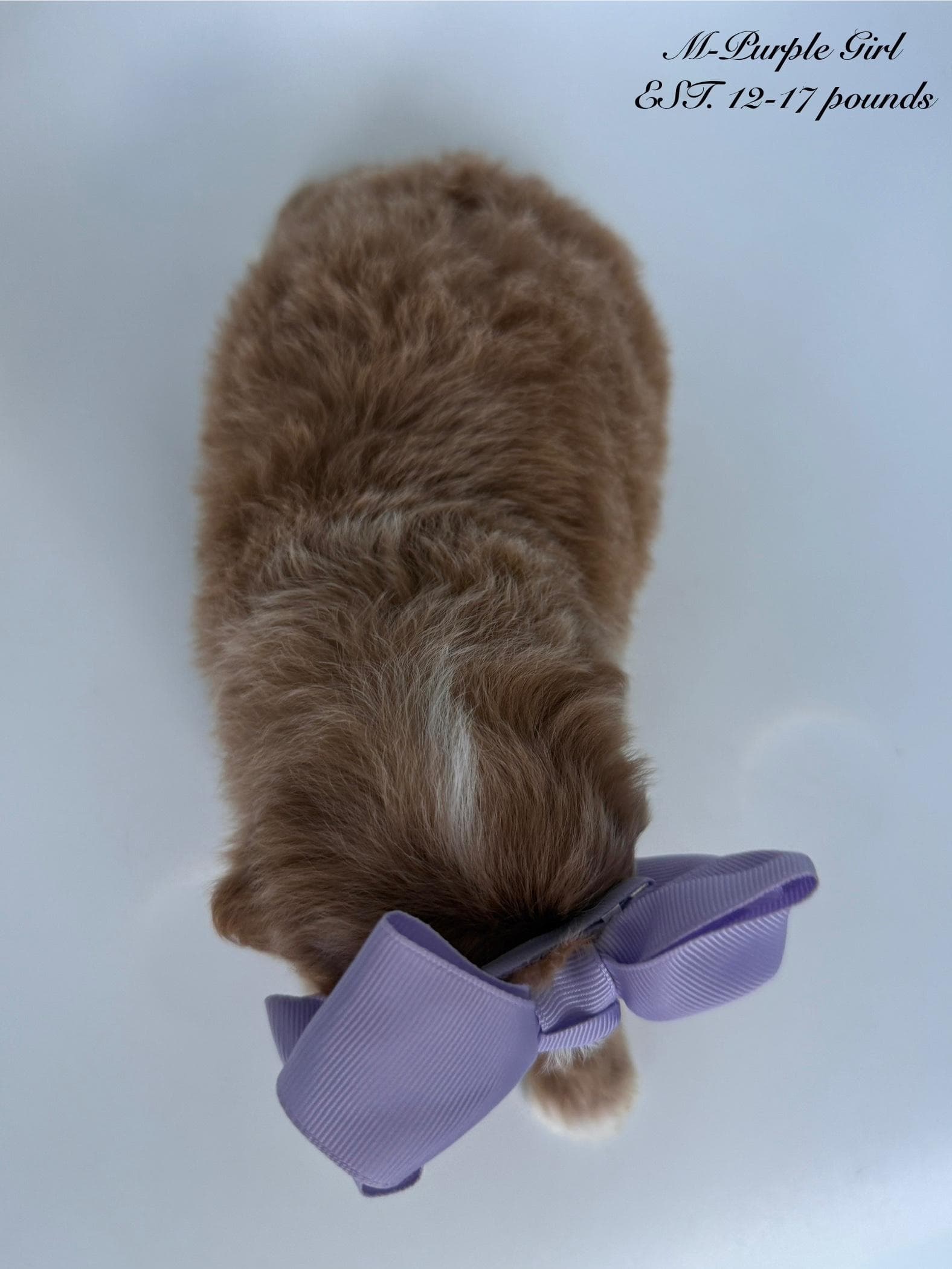
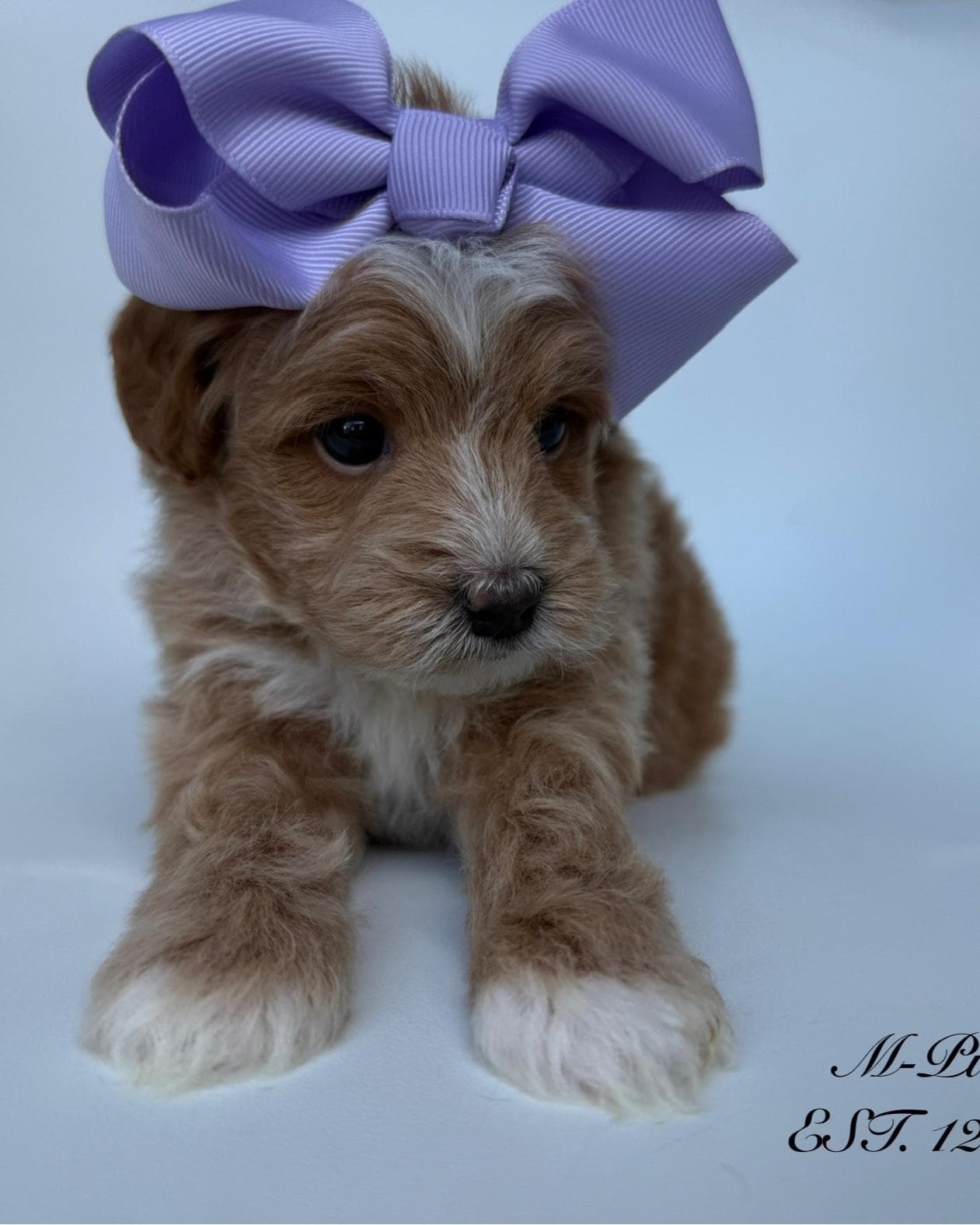 4 photos, showing 1Ready now
M - Purple Girl
Goldendoodle · Female · 15–17 lbs
16 weeks · Lewisville, TX
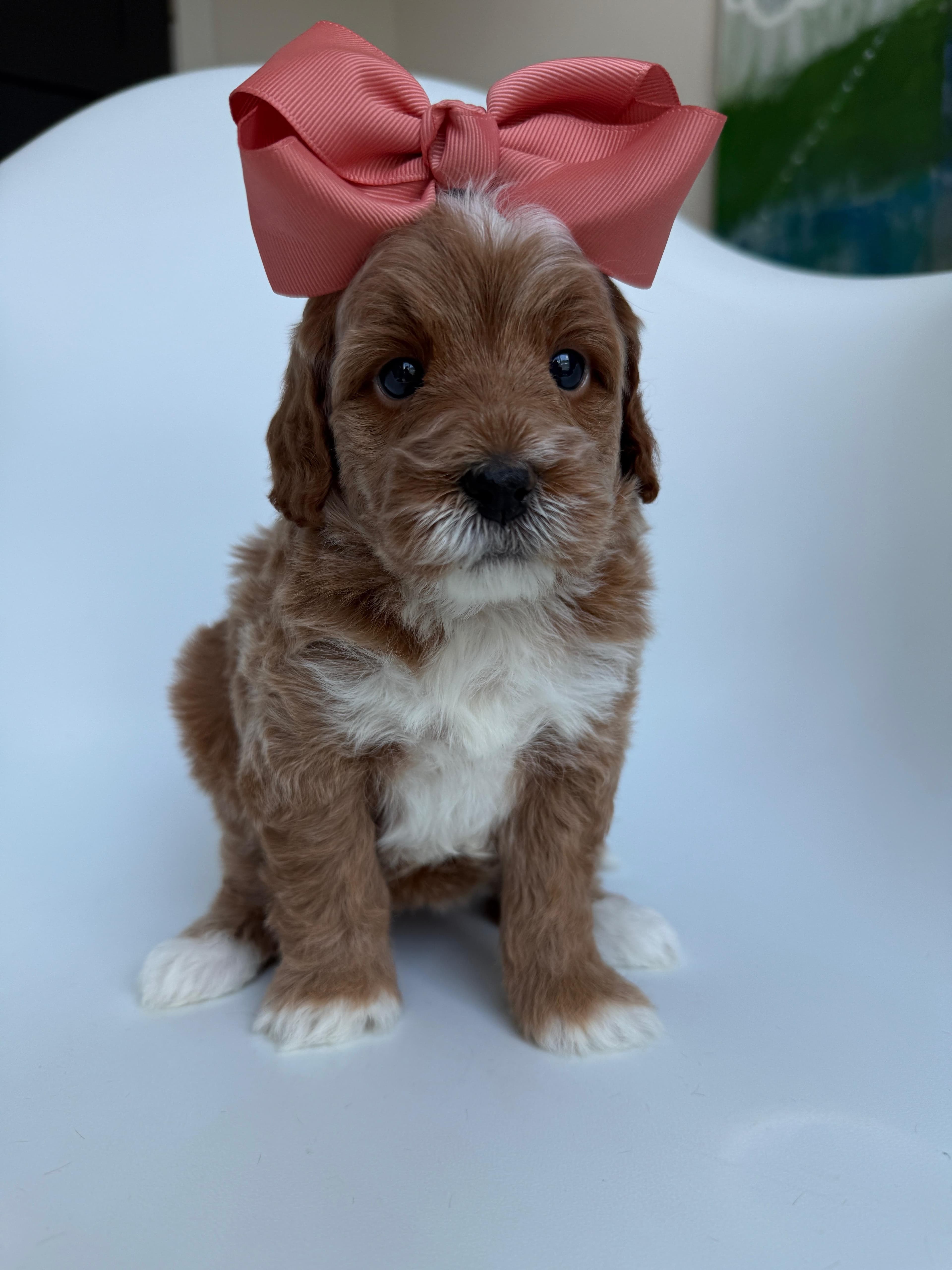
 5 photos, showing 1Ready now
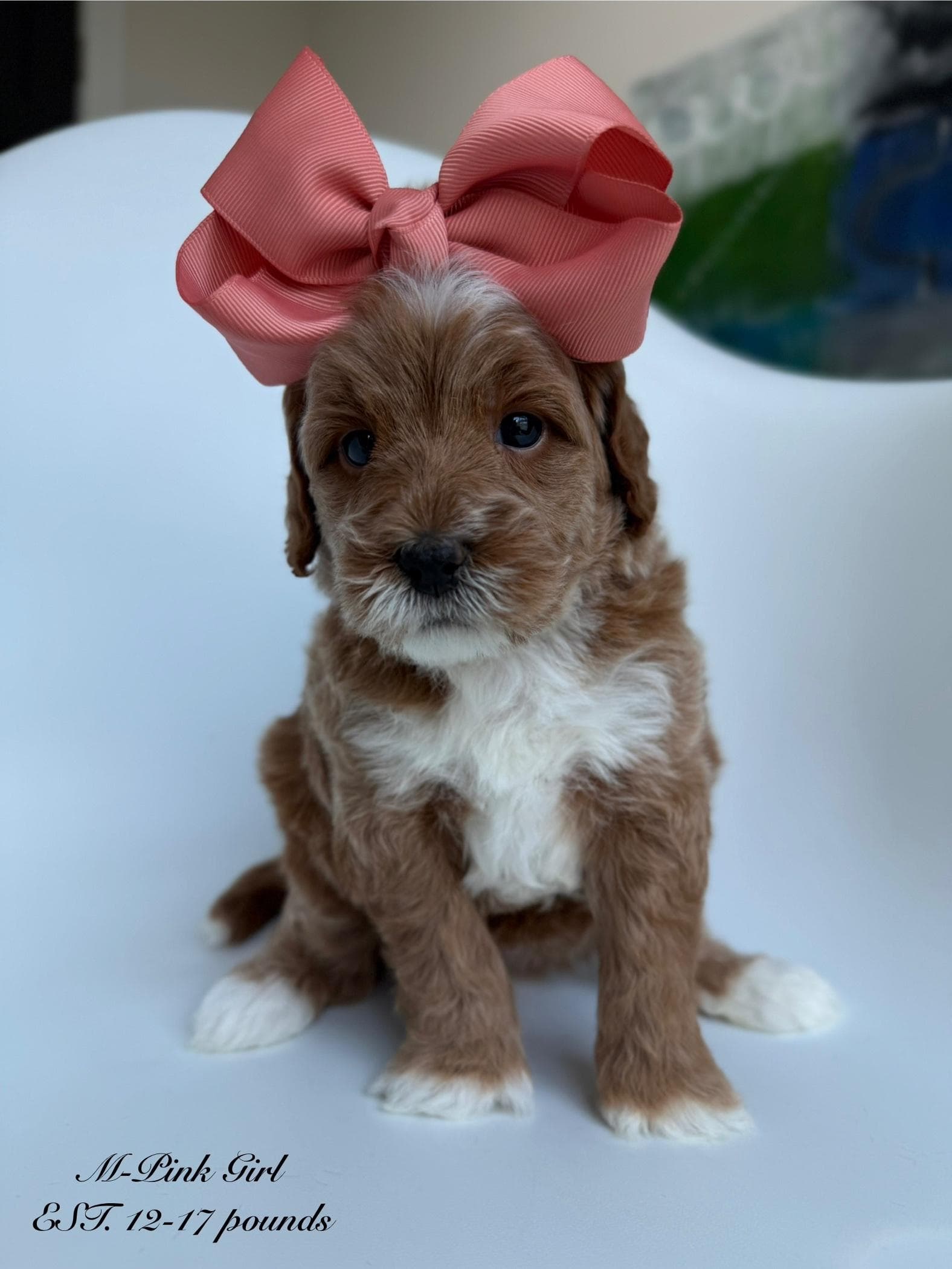
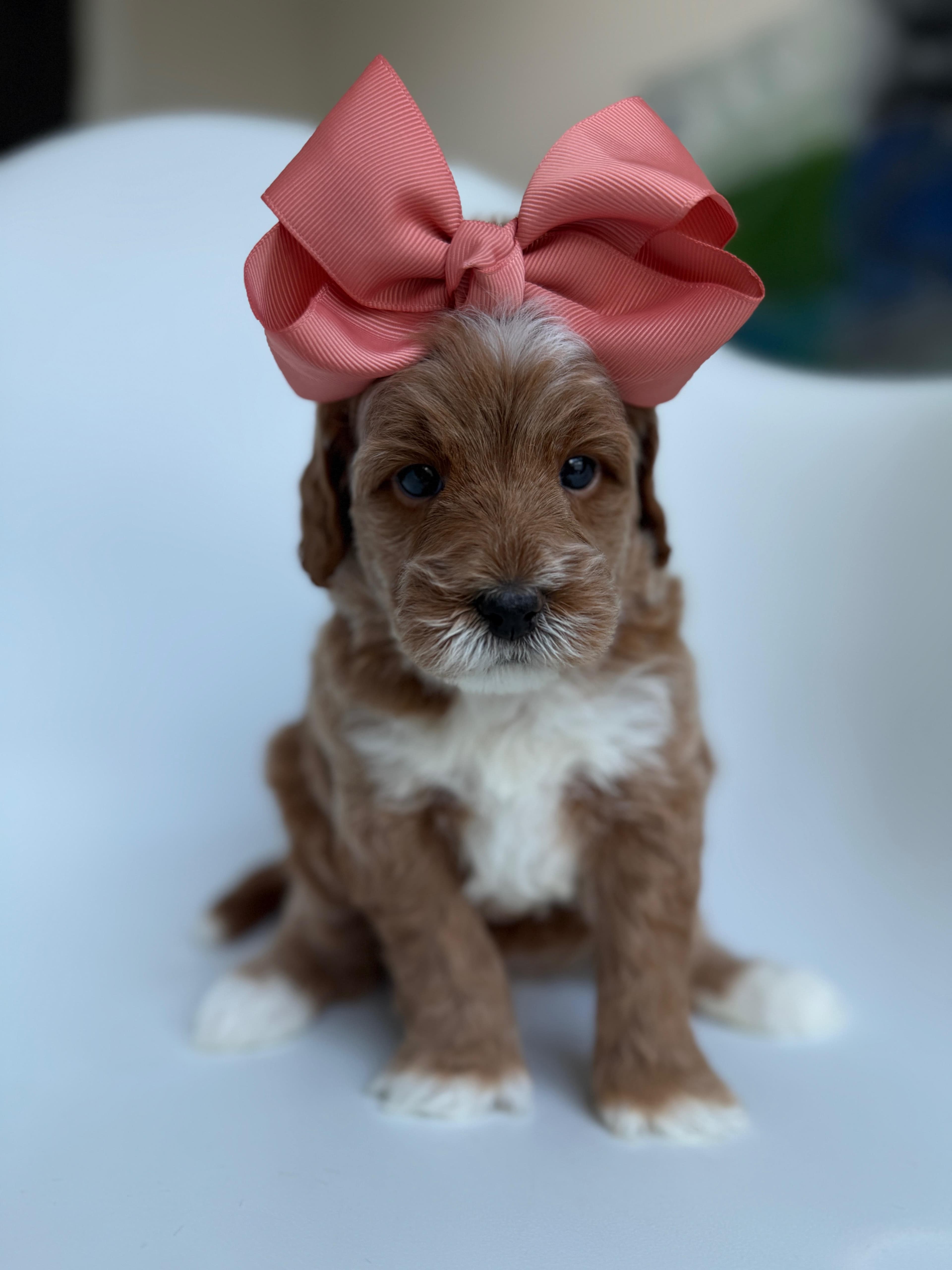
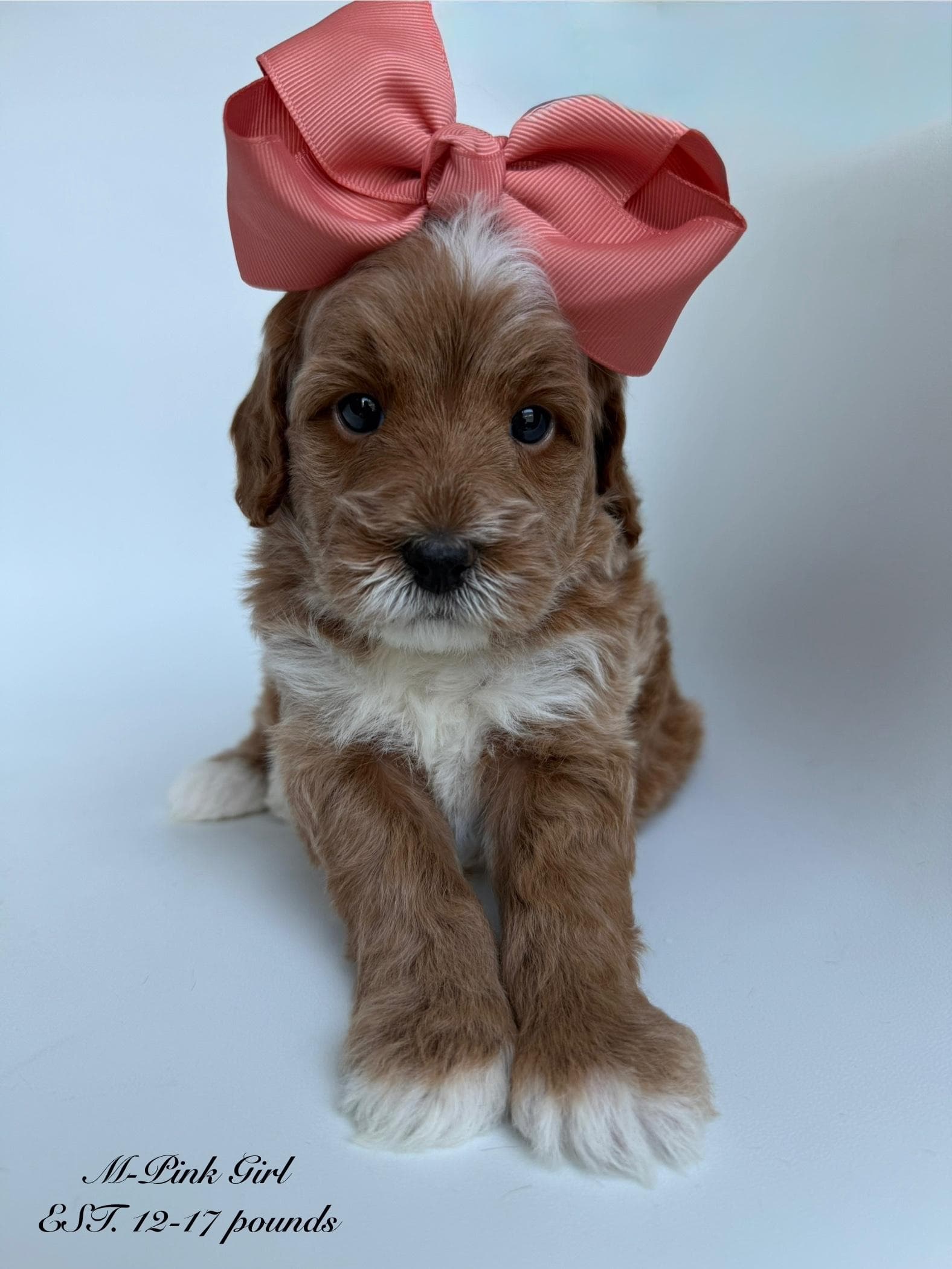
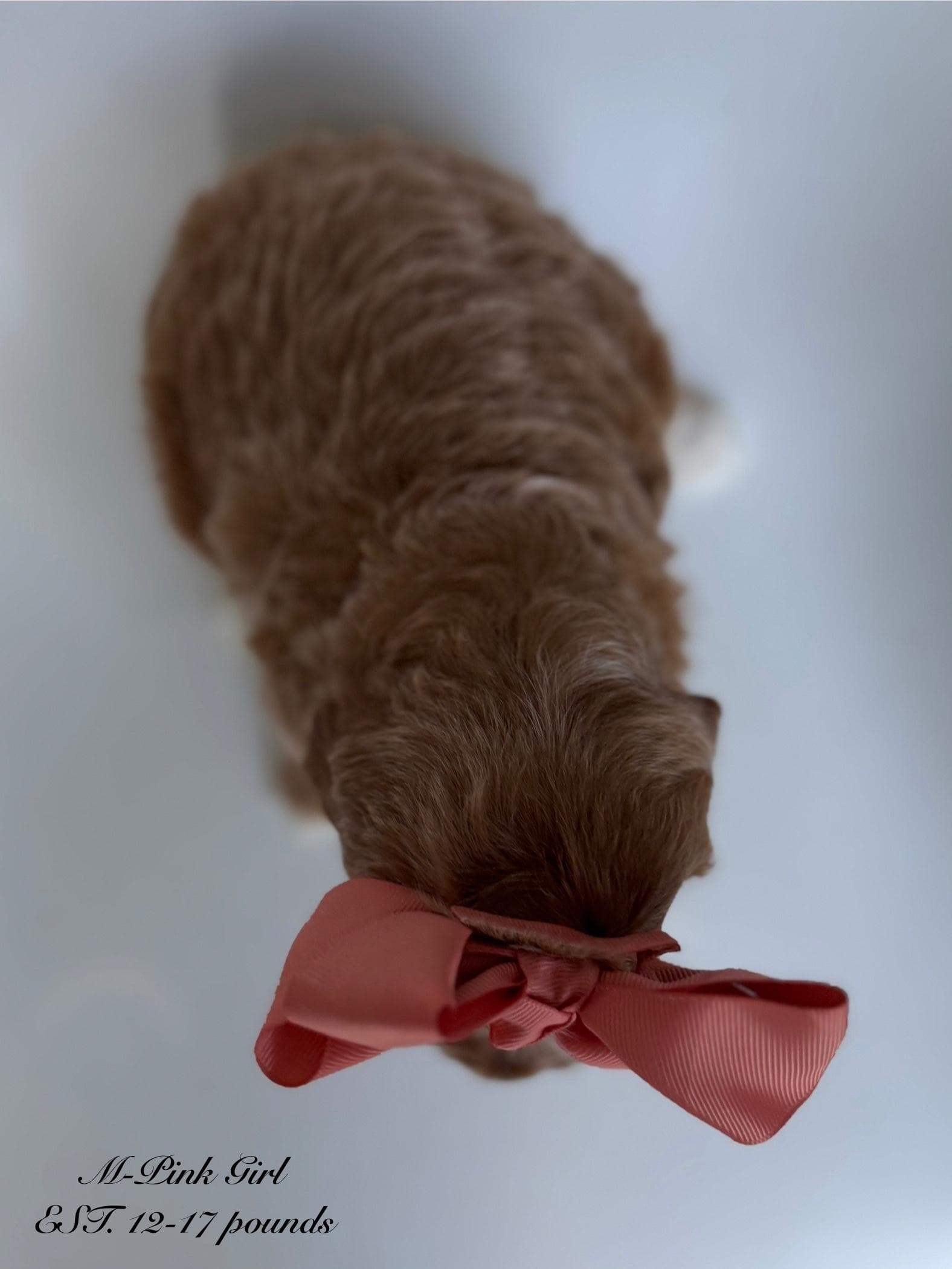
M - Pink Girl
Goldendoodle · Female · 15–17 lbs
16 weeks · Lewisville, TX
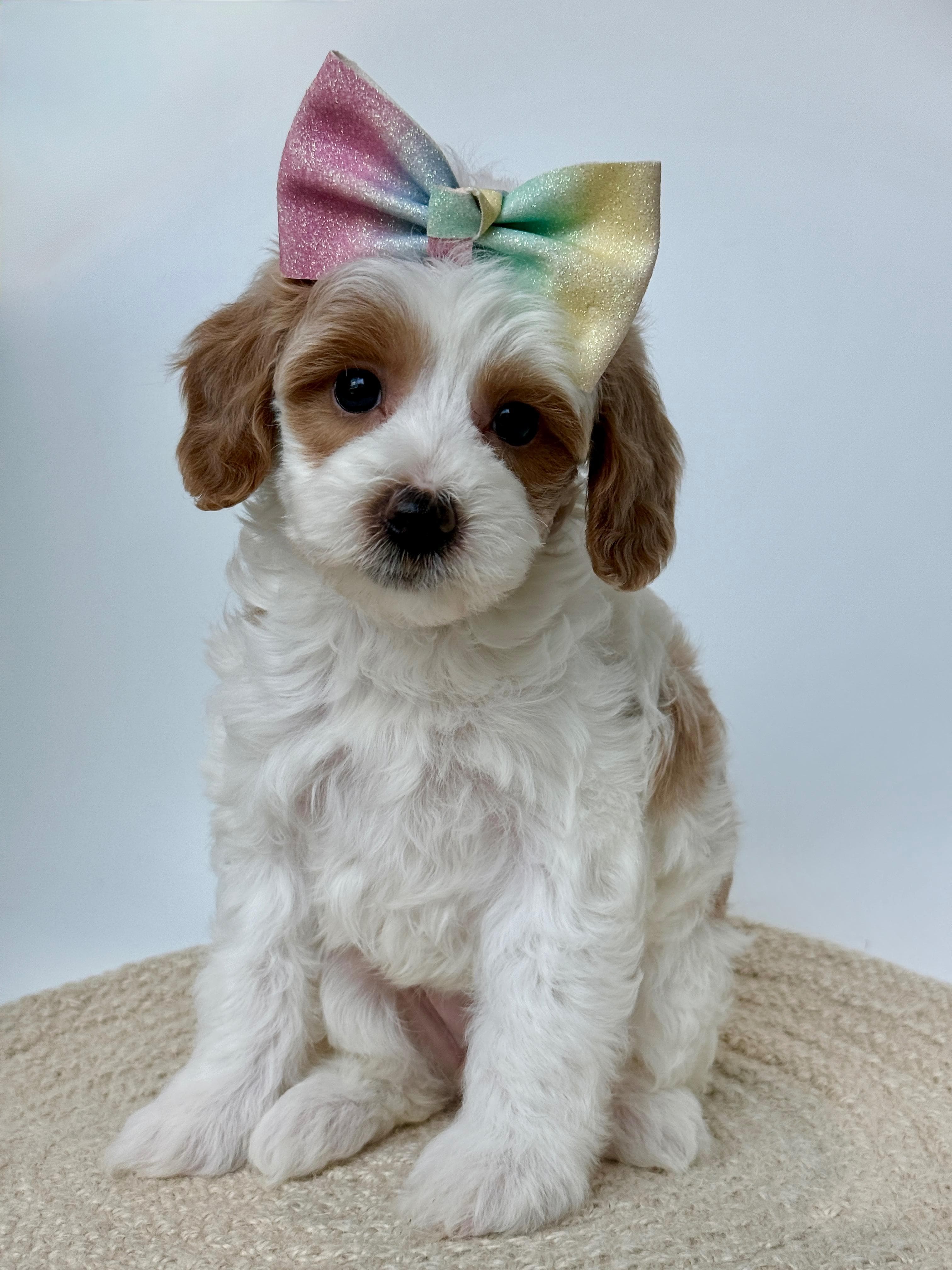
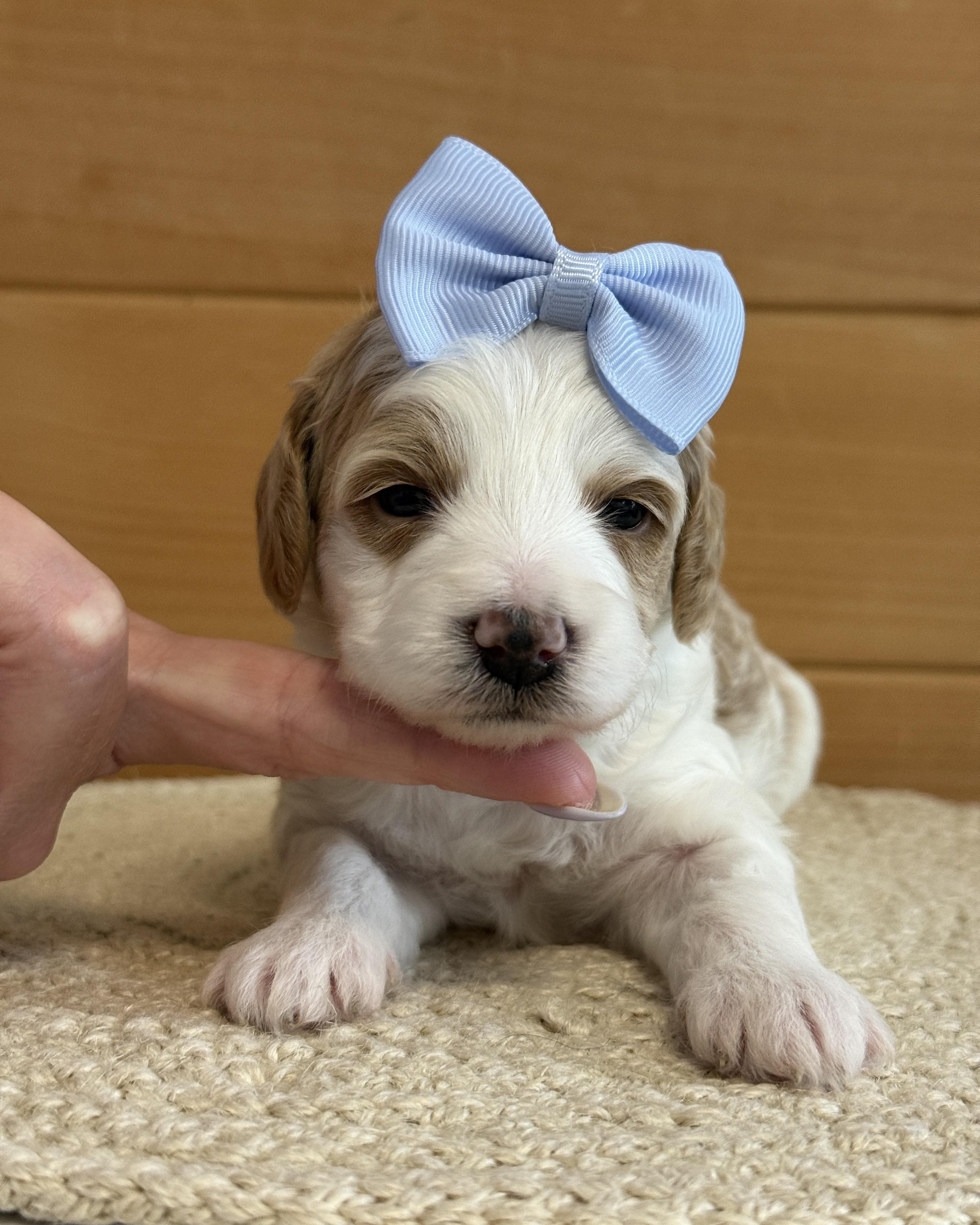
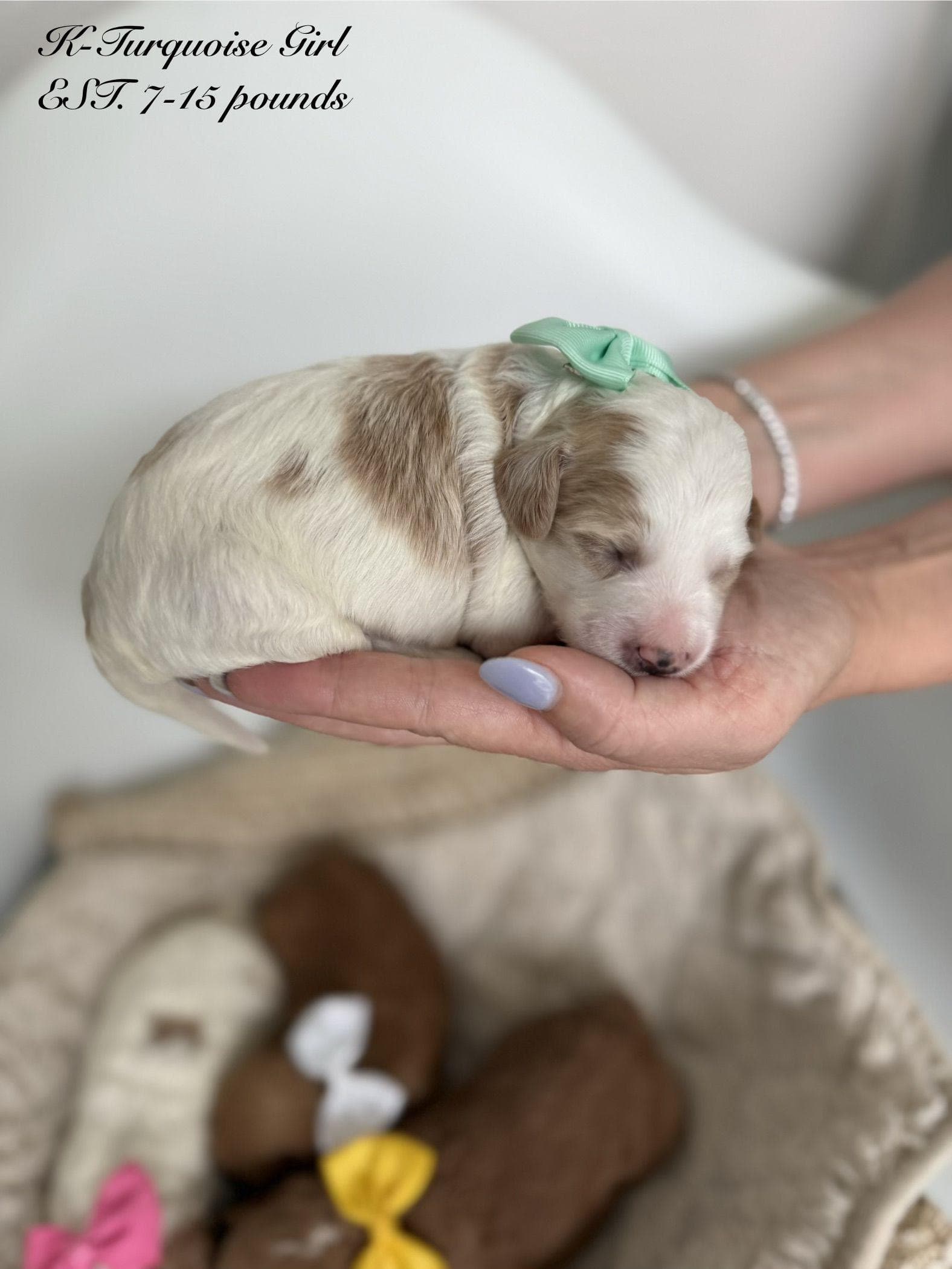 3 photos, showing 1Ready now
K-TURQUOISE GIRL
Goldendoodle · Female · 12–15 lbs
23 weeks · Lewisville, TX
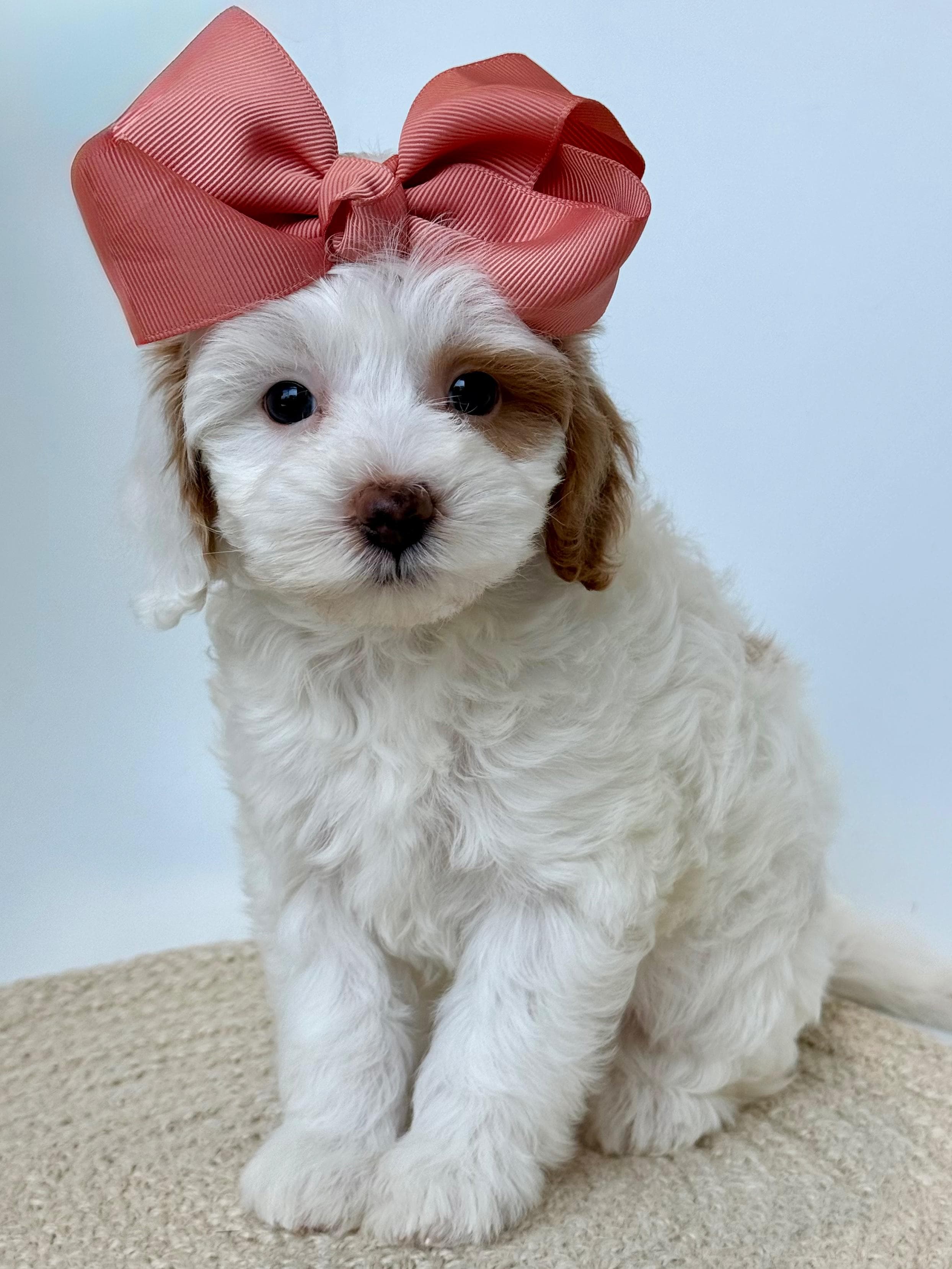
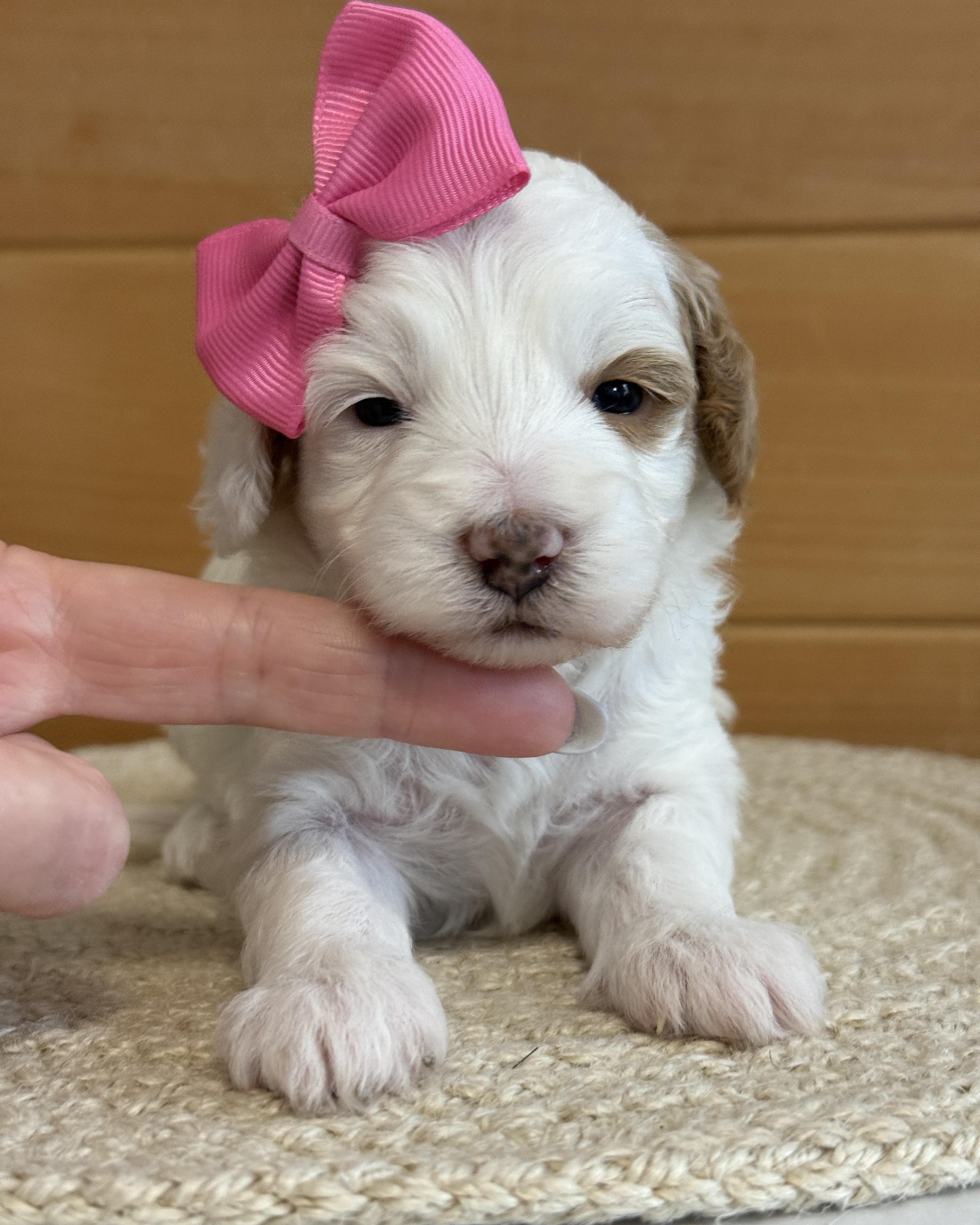
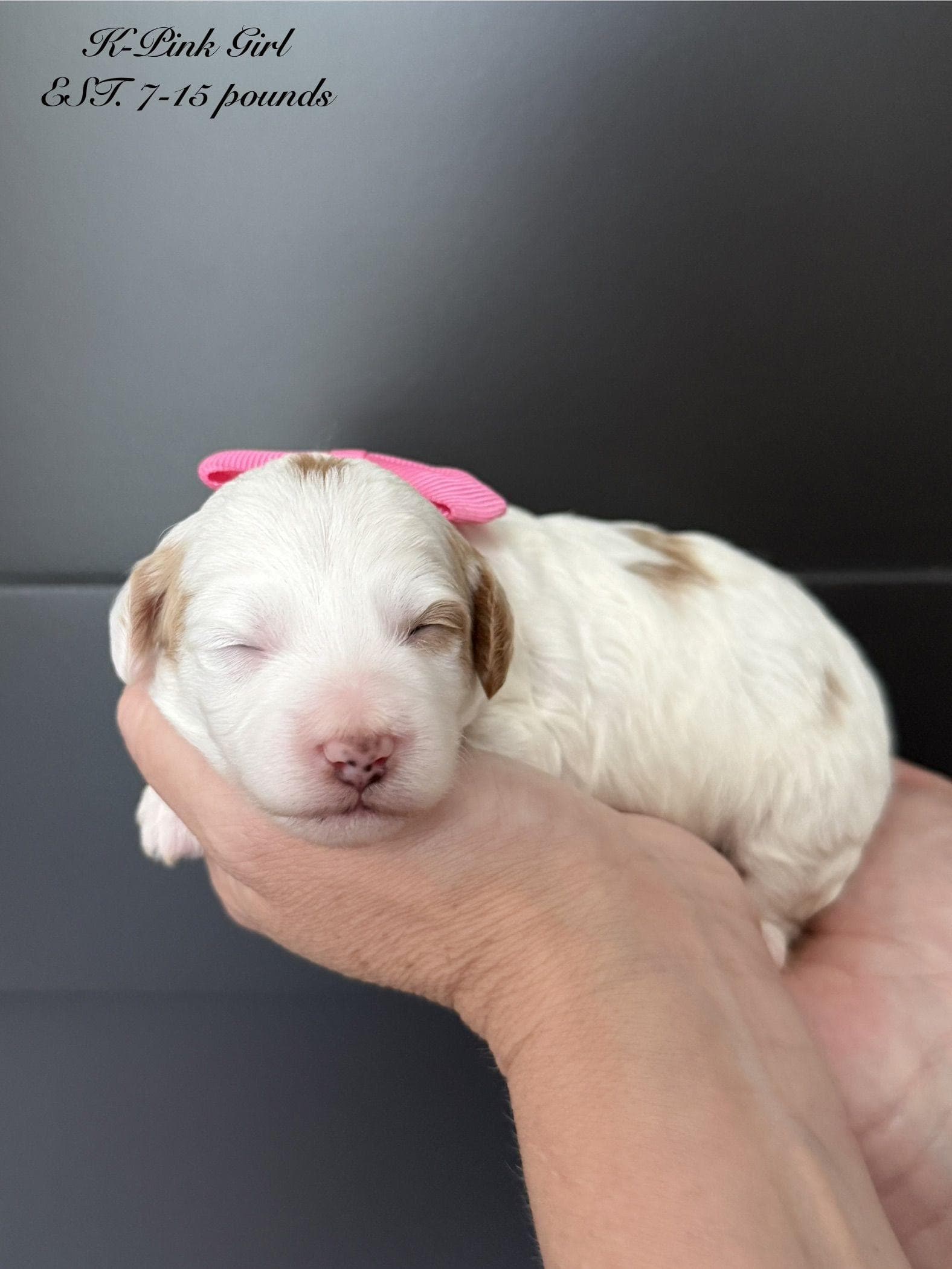 3 photos, showing 1Ready now
K-PINK GIRL
Goldendoodle · Female · 12–15 lbs
23 weeks · Lewisville, TX
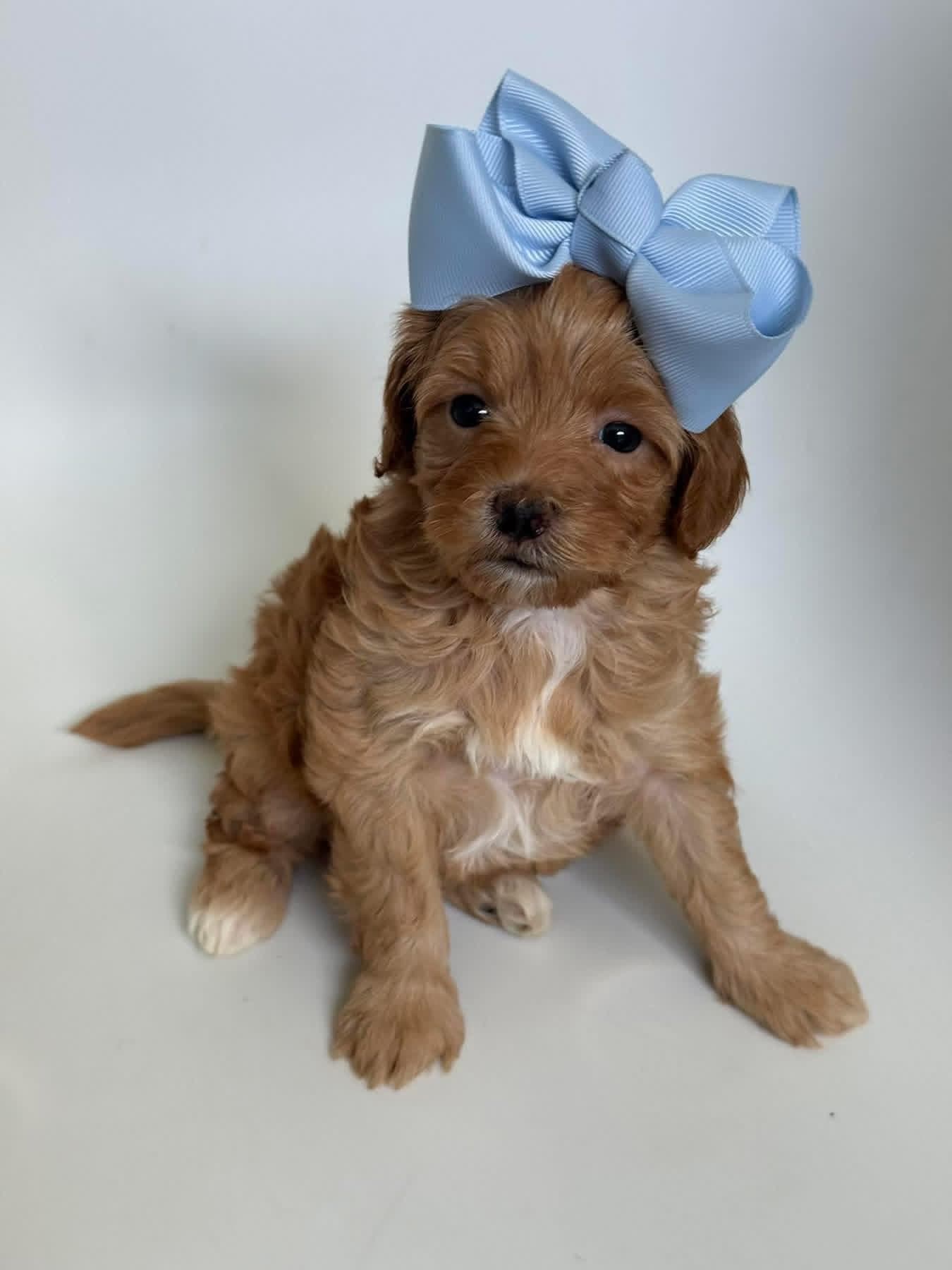
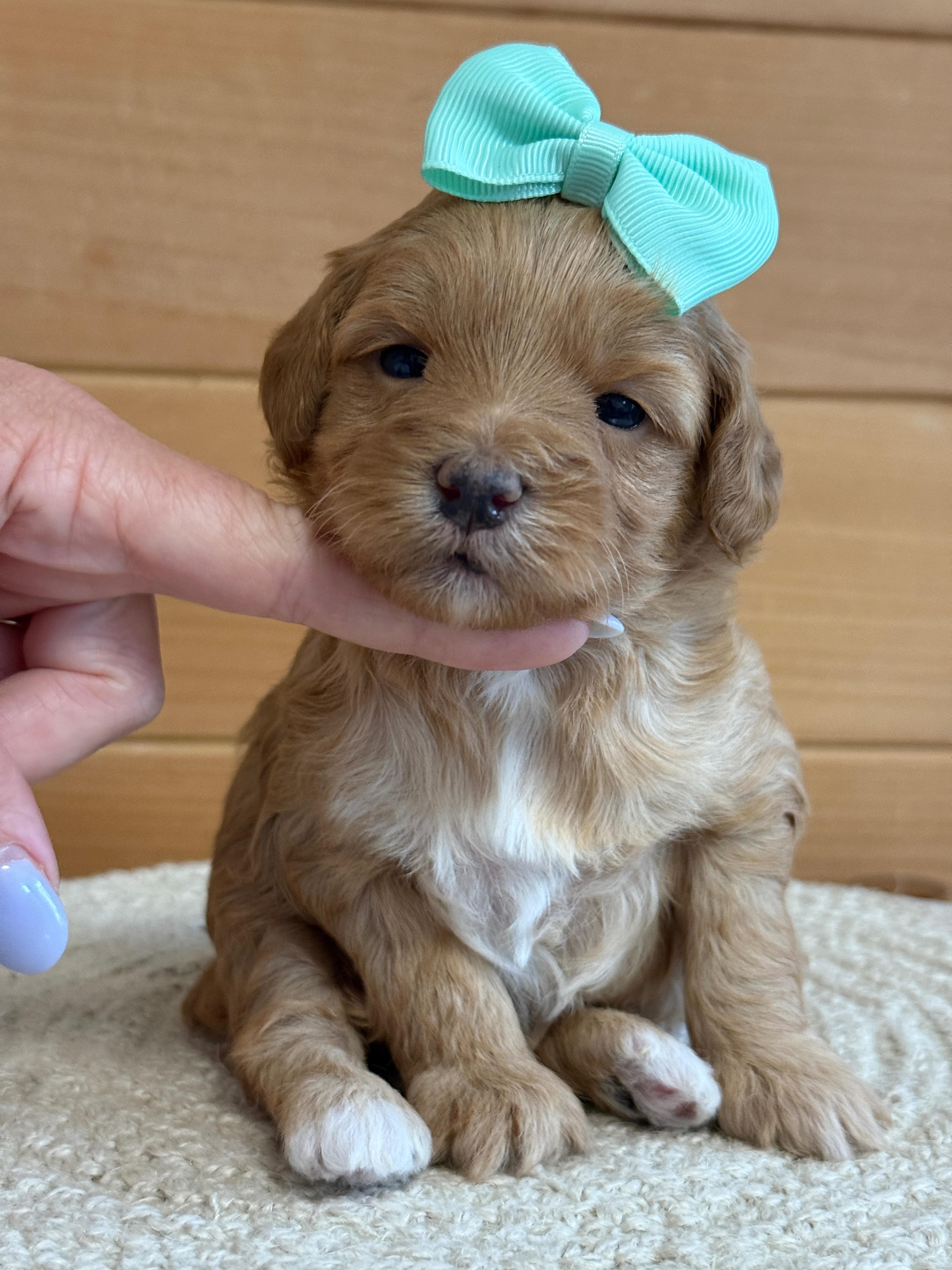
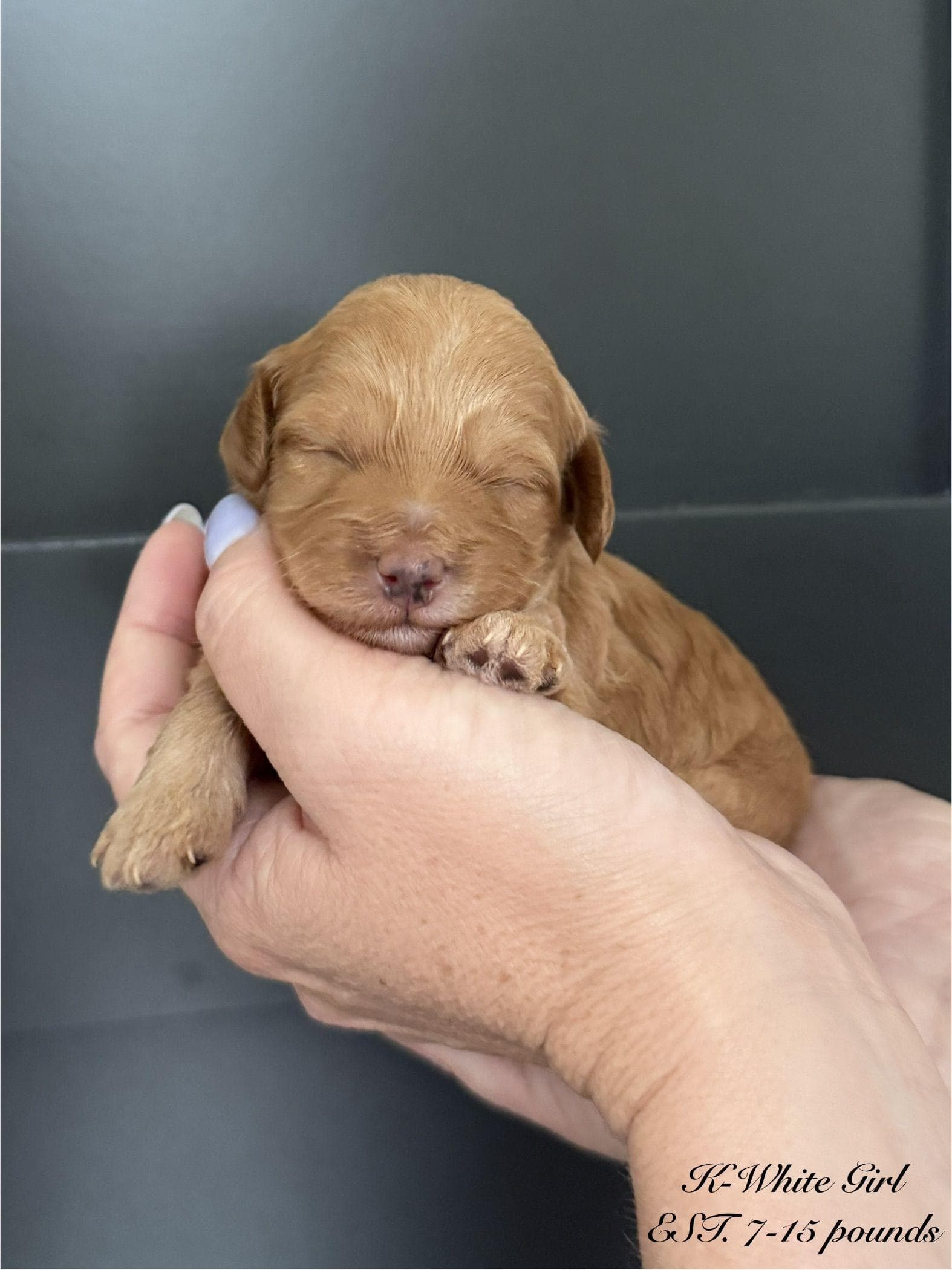 3 photos, showing 1Ready now
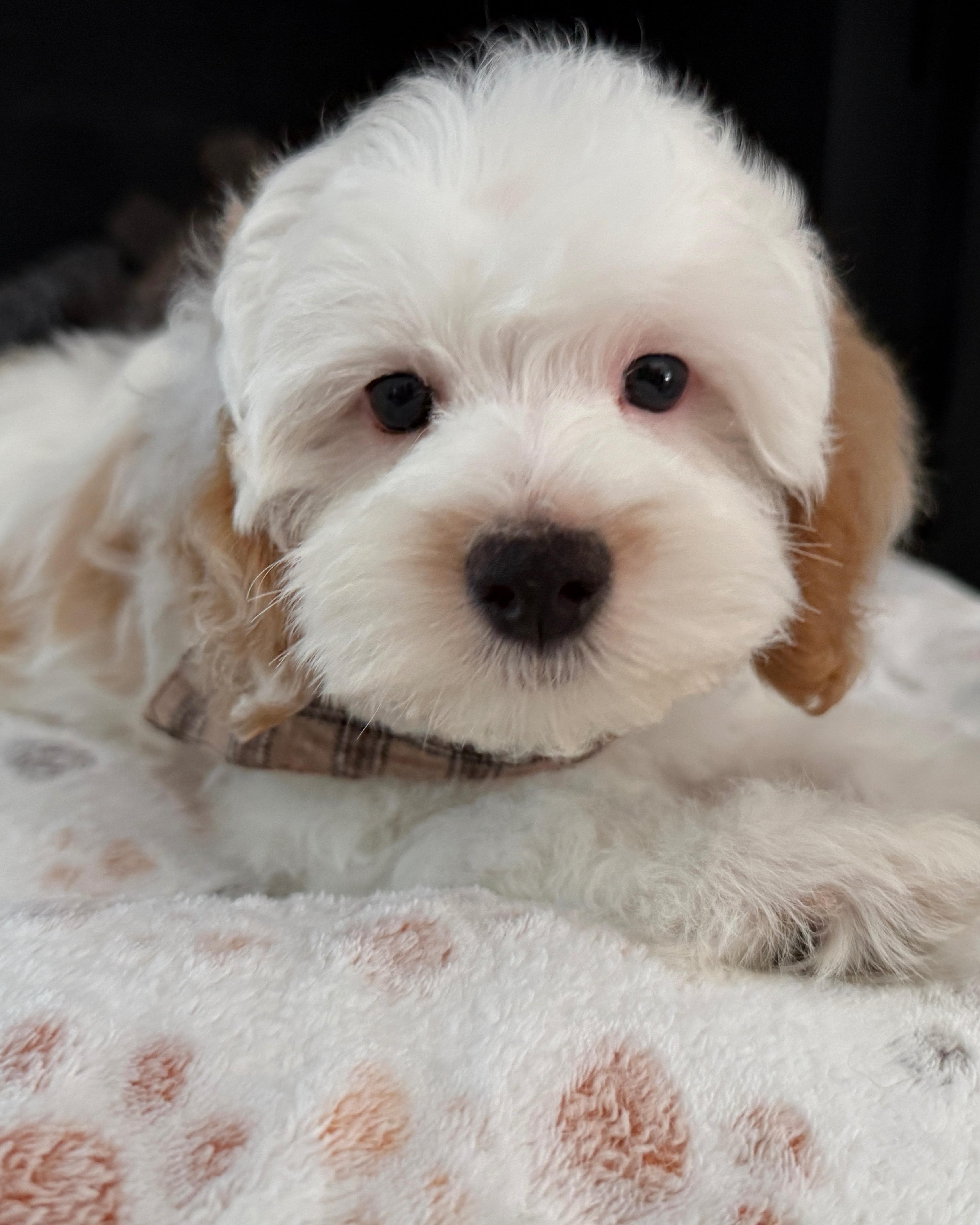
K-WHITE GIRL
Goldendoodle · Female · 12–15 lbs
23 weeks · Lewisville, TX
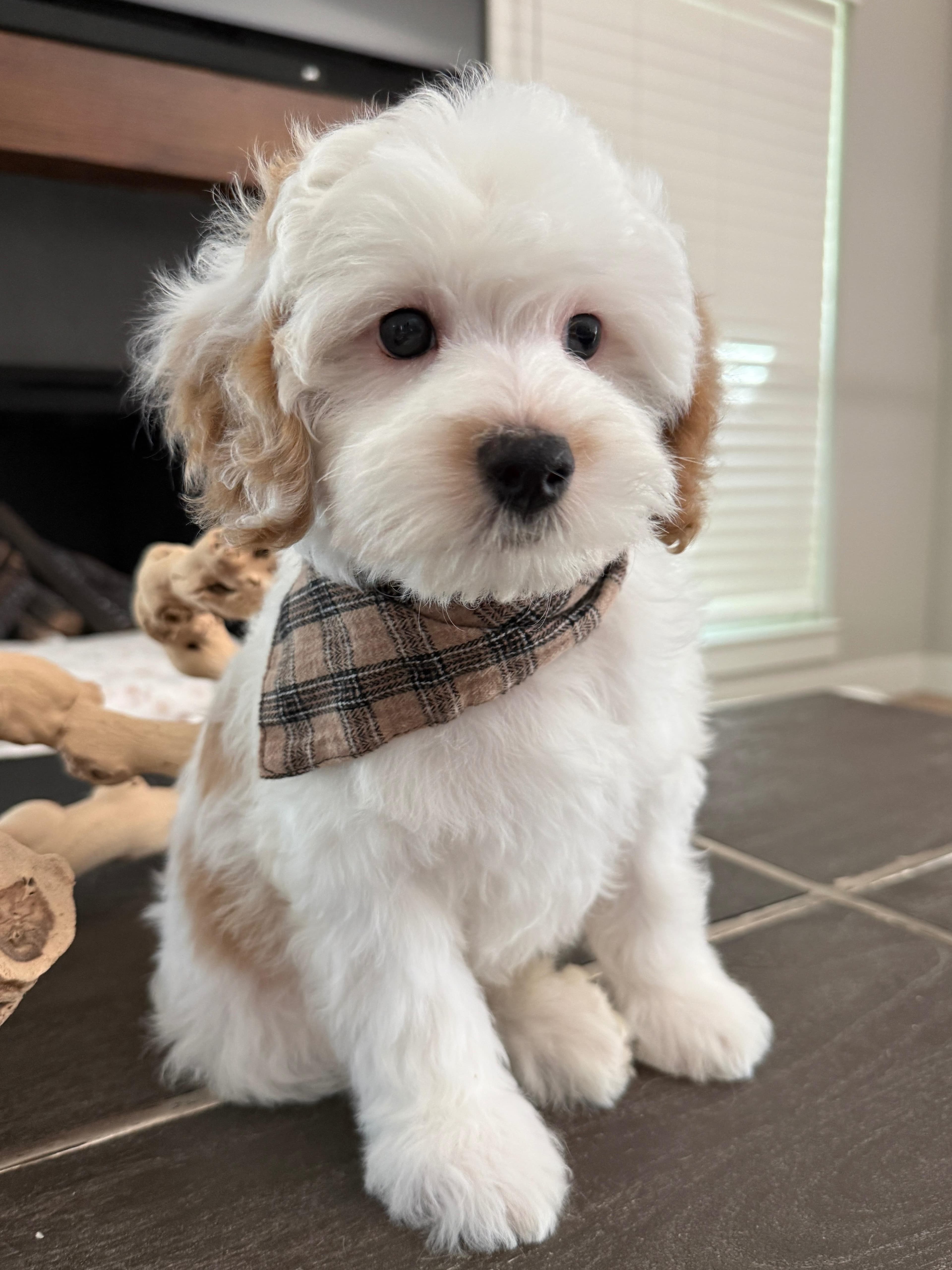
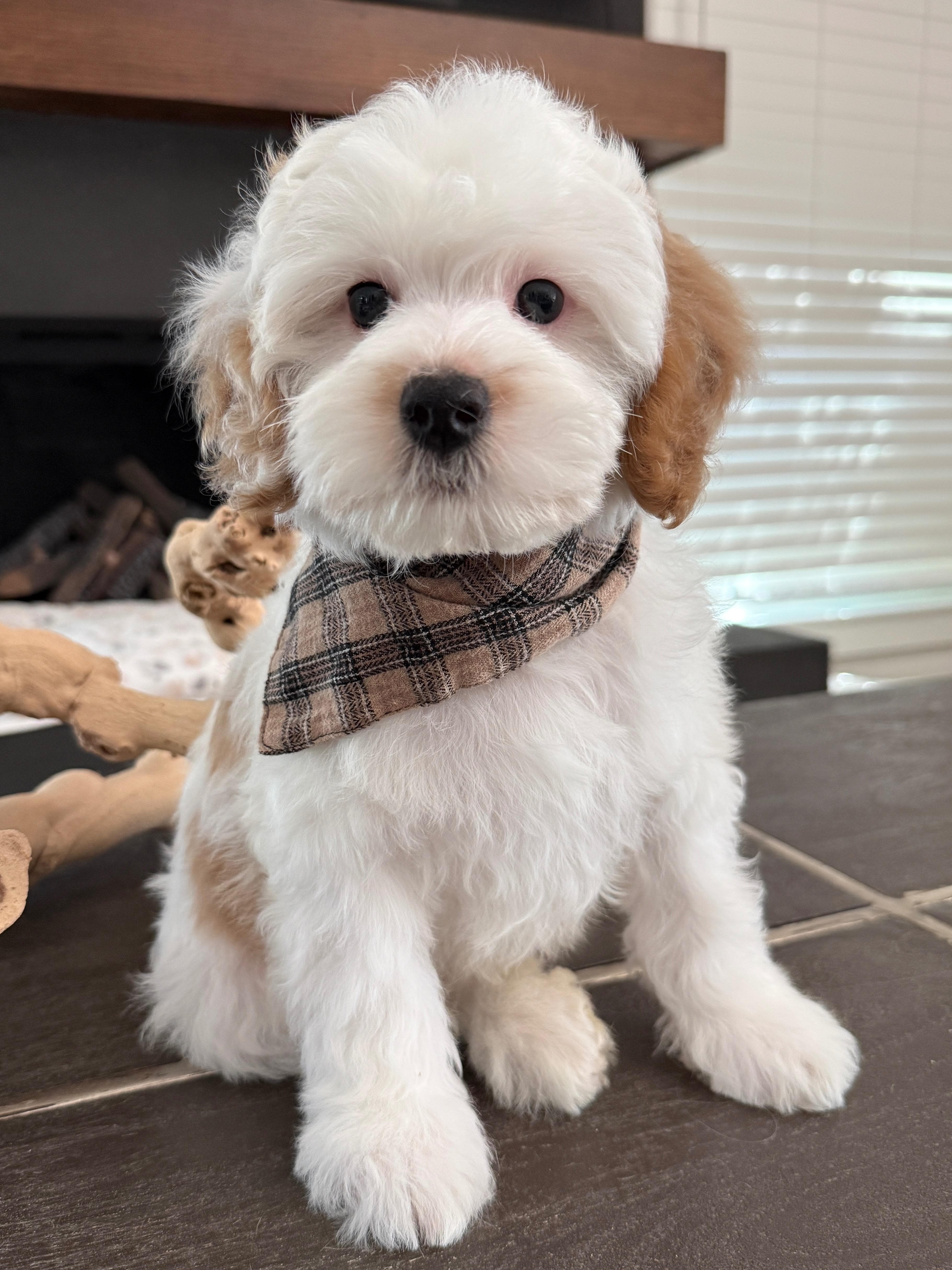
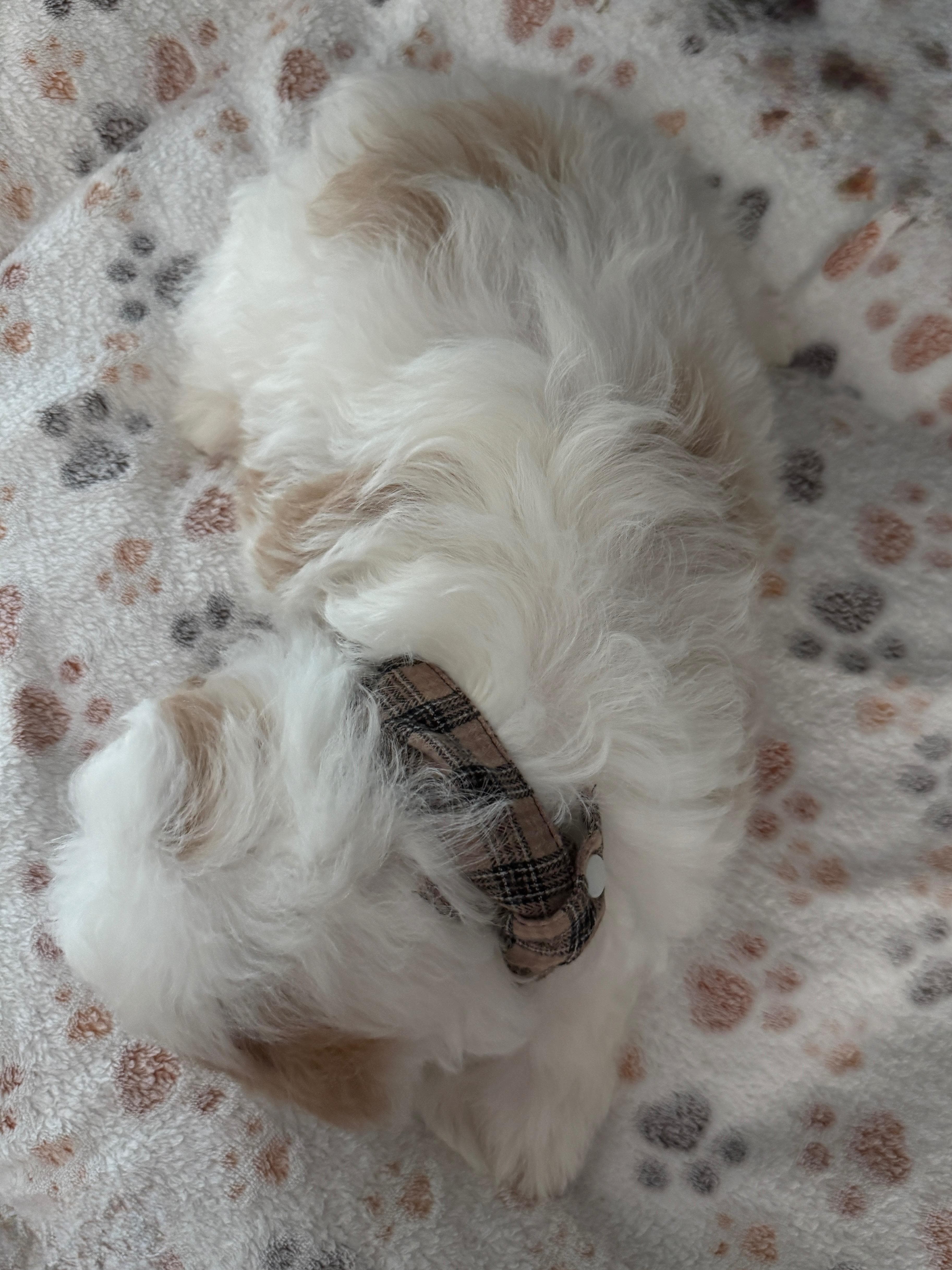
 4 photos, showing 1Ready now
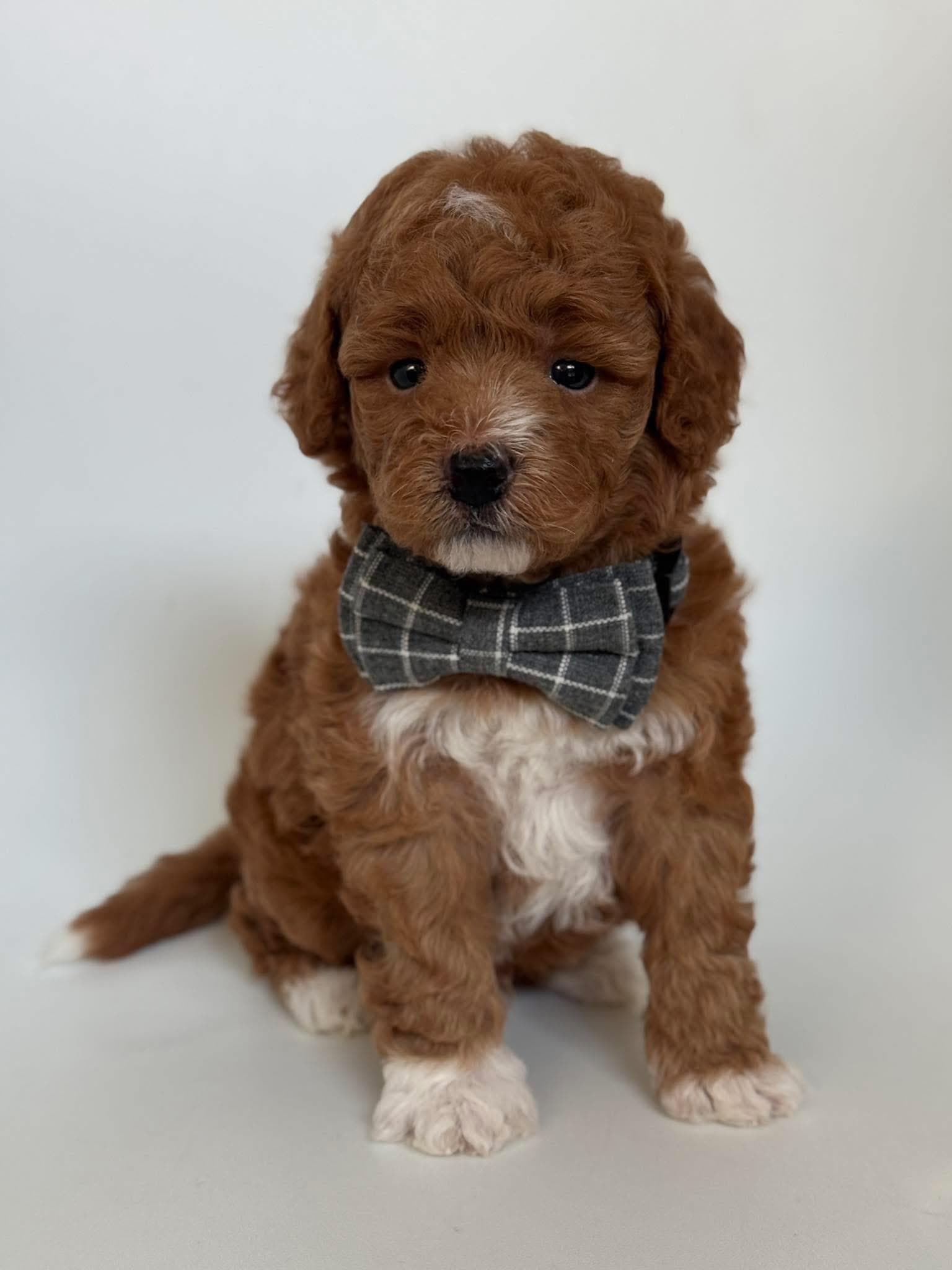
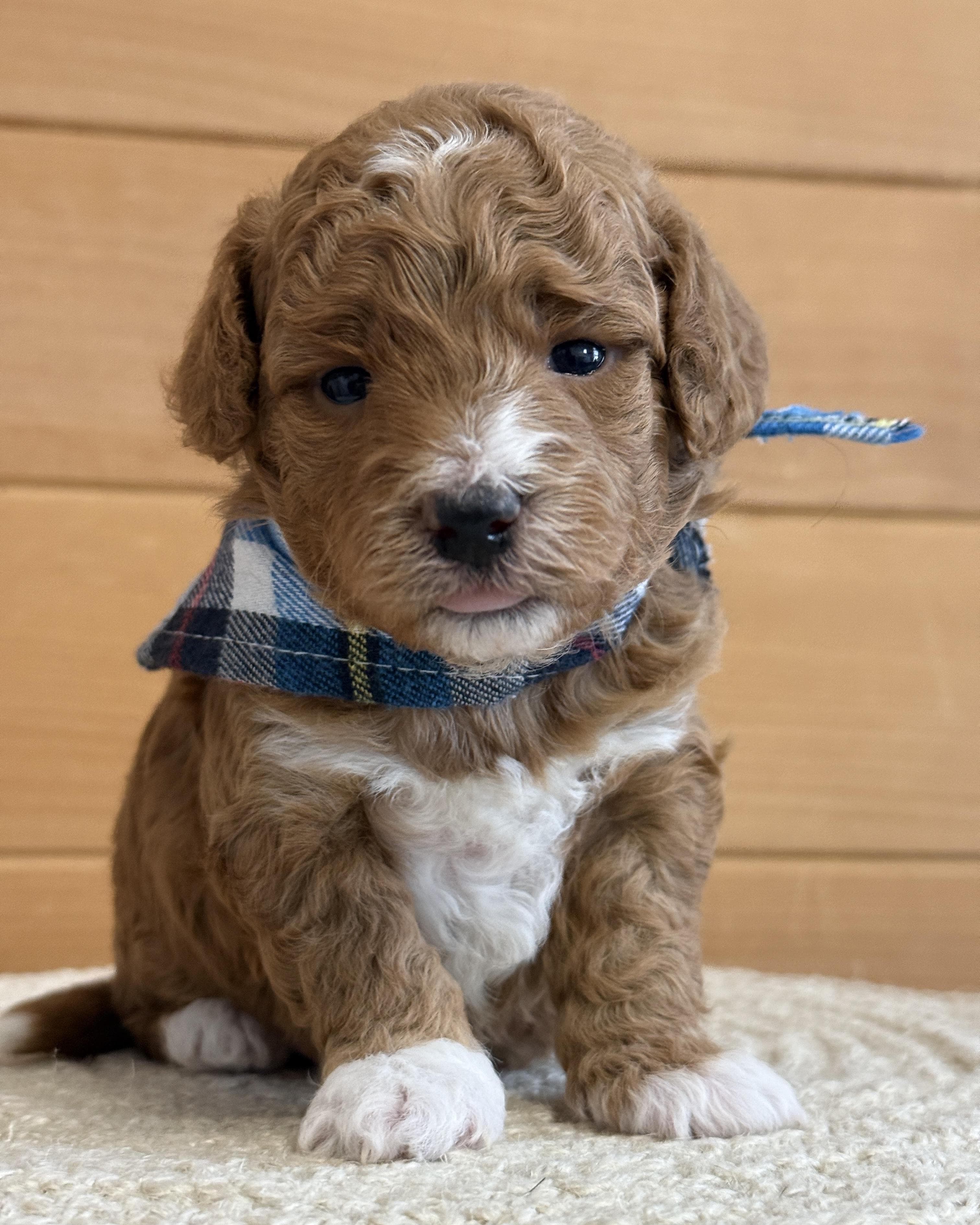
K-RED BOY
Goldendoodle · Male · 12–15 lbs
23 weeks · Lewisville, TX
 3 photos, showing 1Ready now
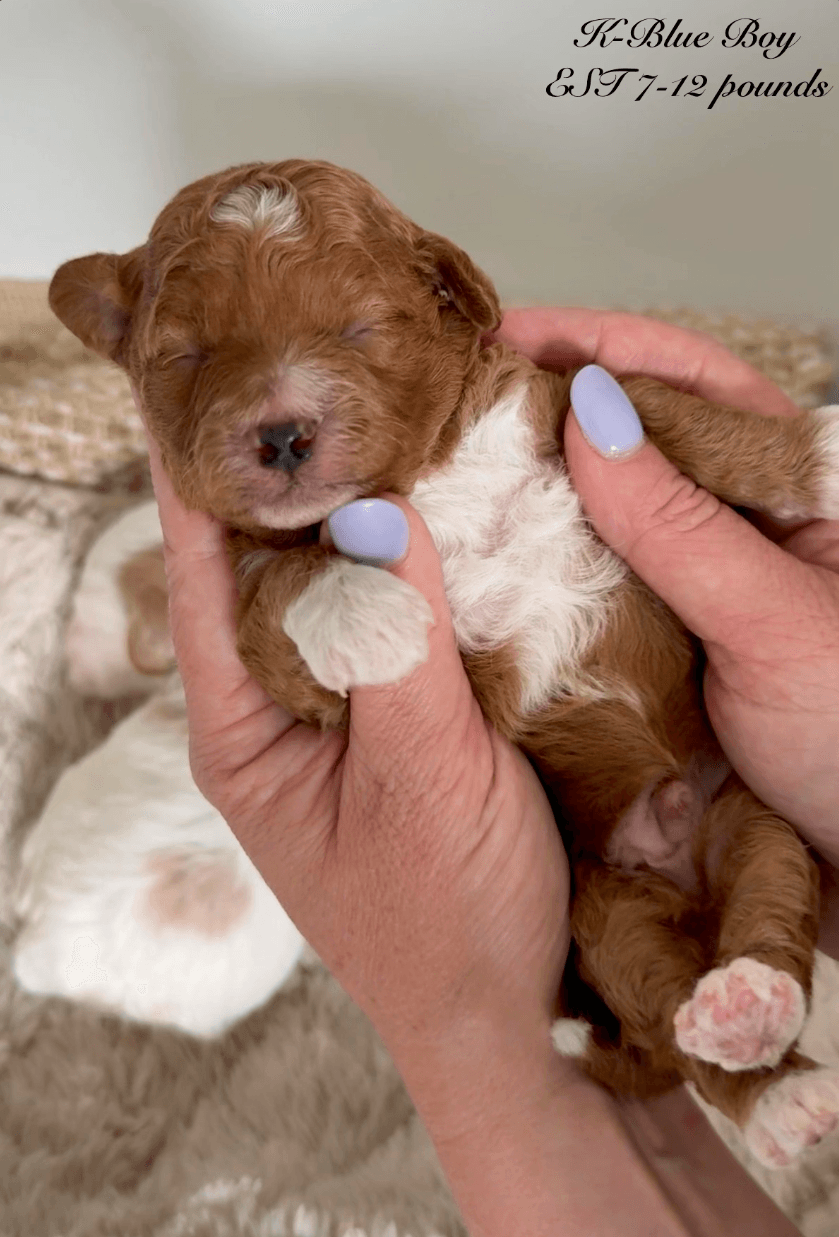
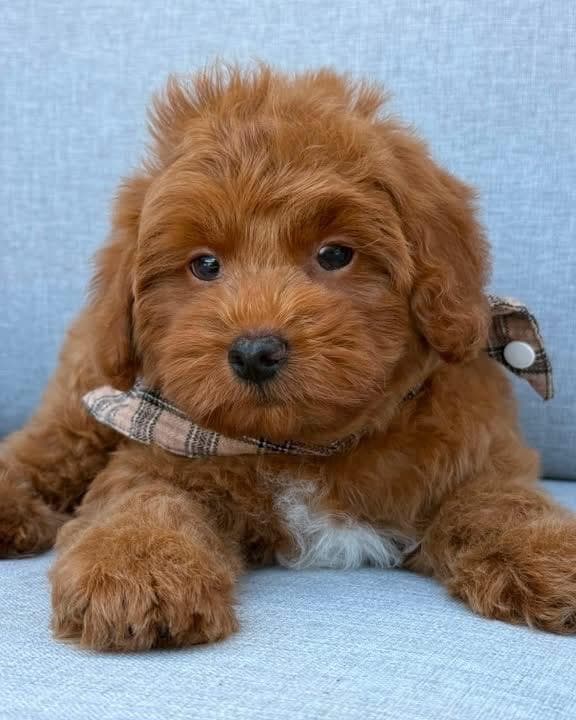
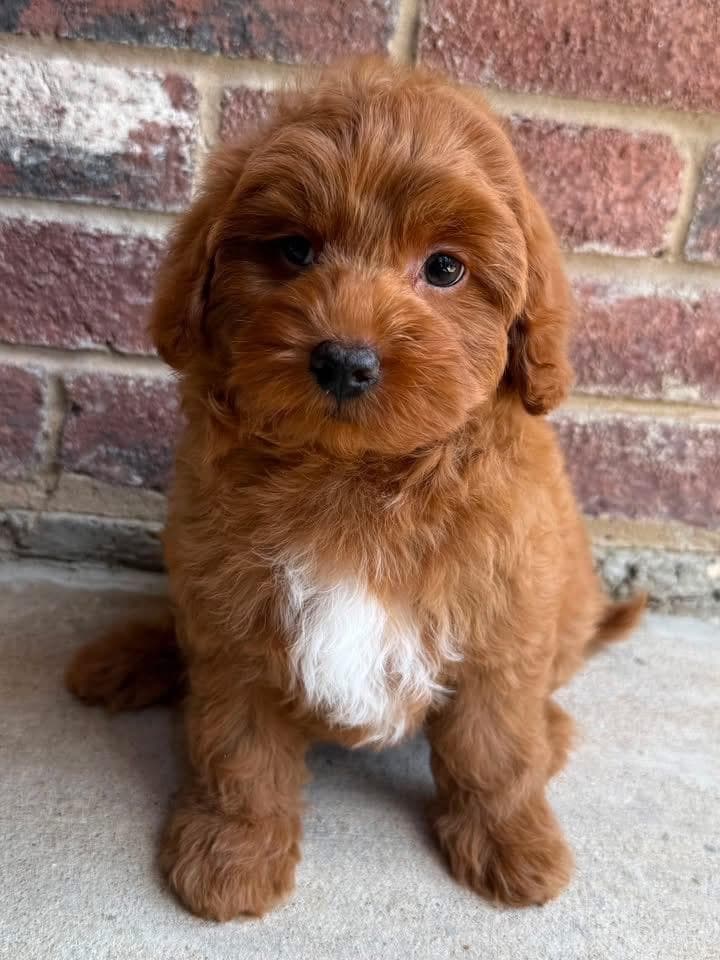
K-BLUE BOY
Goldendoodle · Male · 12–15 lbs
23 weeks · Lewisville, TX
 2 photos, showing 1Ready now
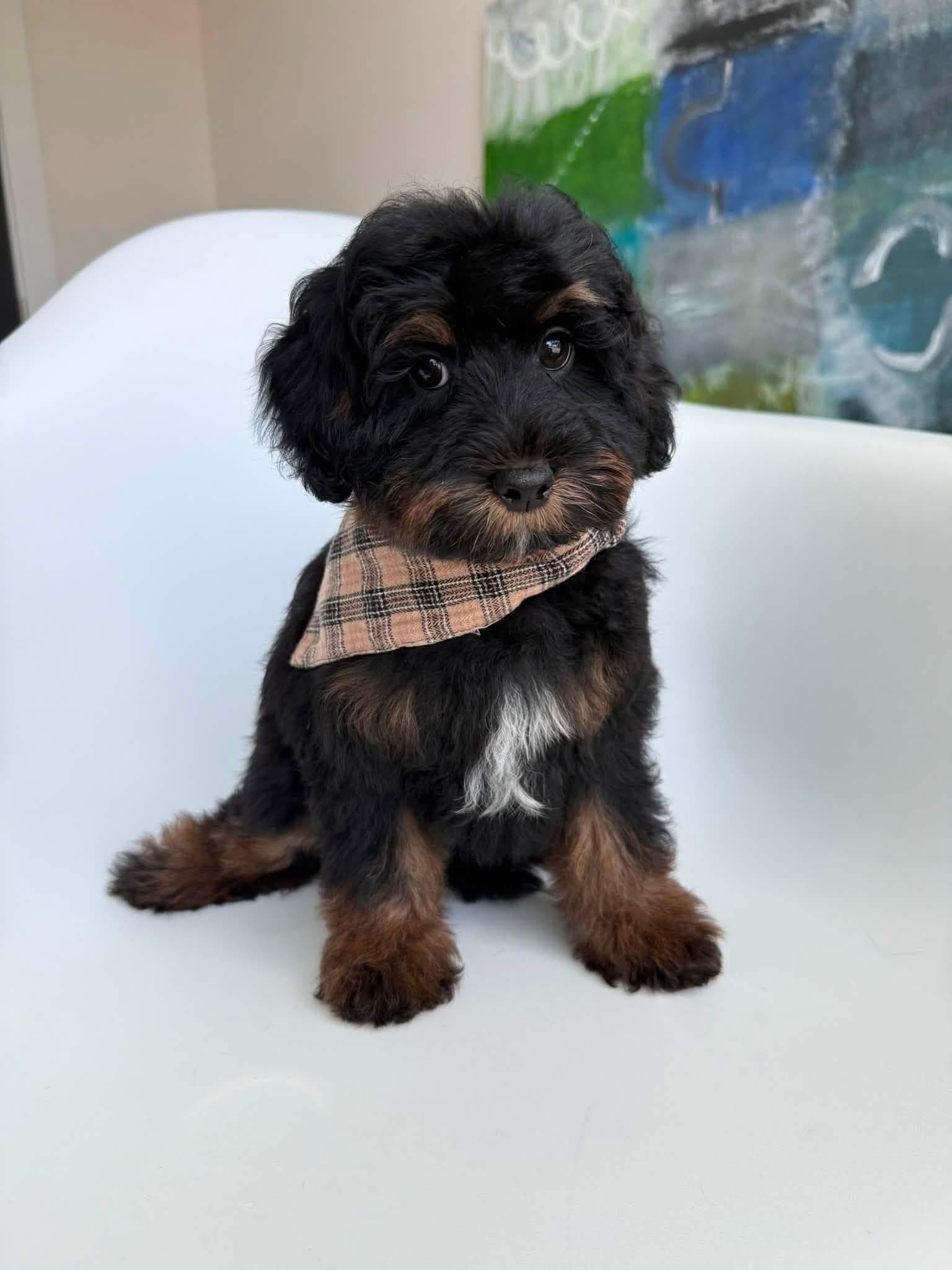
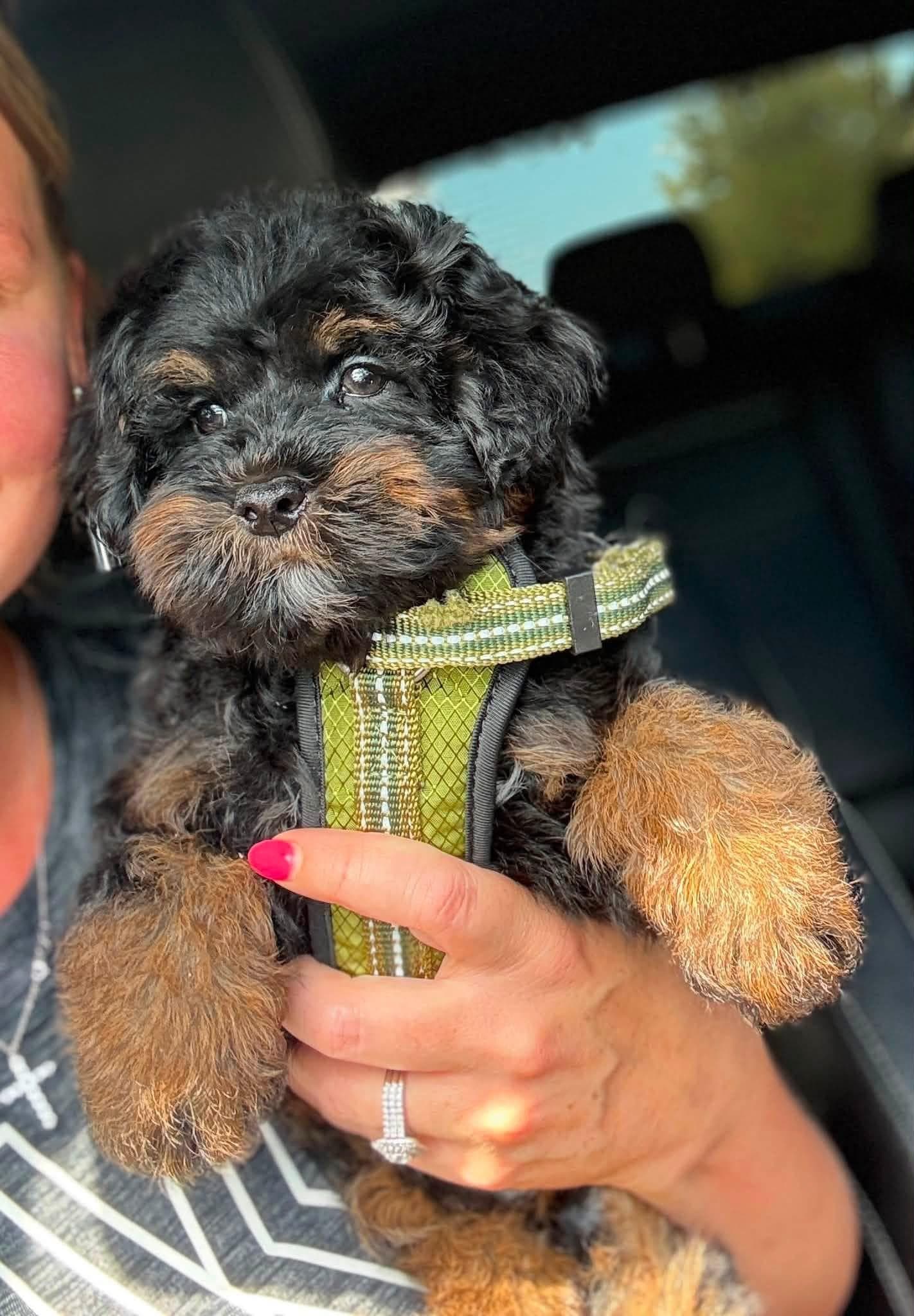
KAYLIE -RED BOY
Goldendoodle · Male · 9–12 lbs
23 weeks · Lewisville, TX
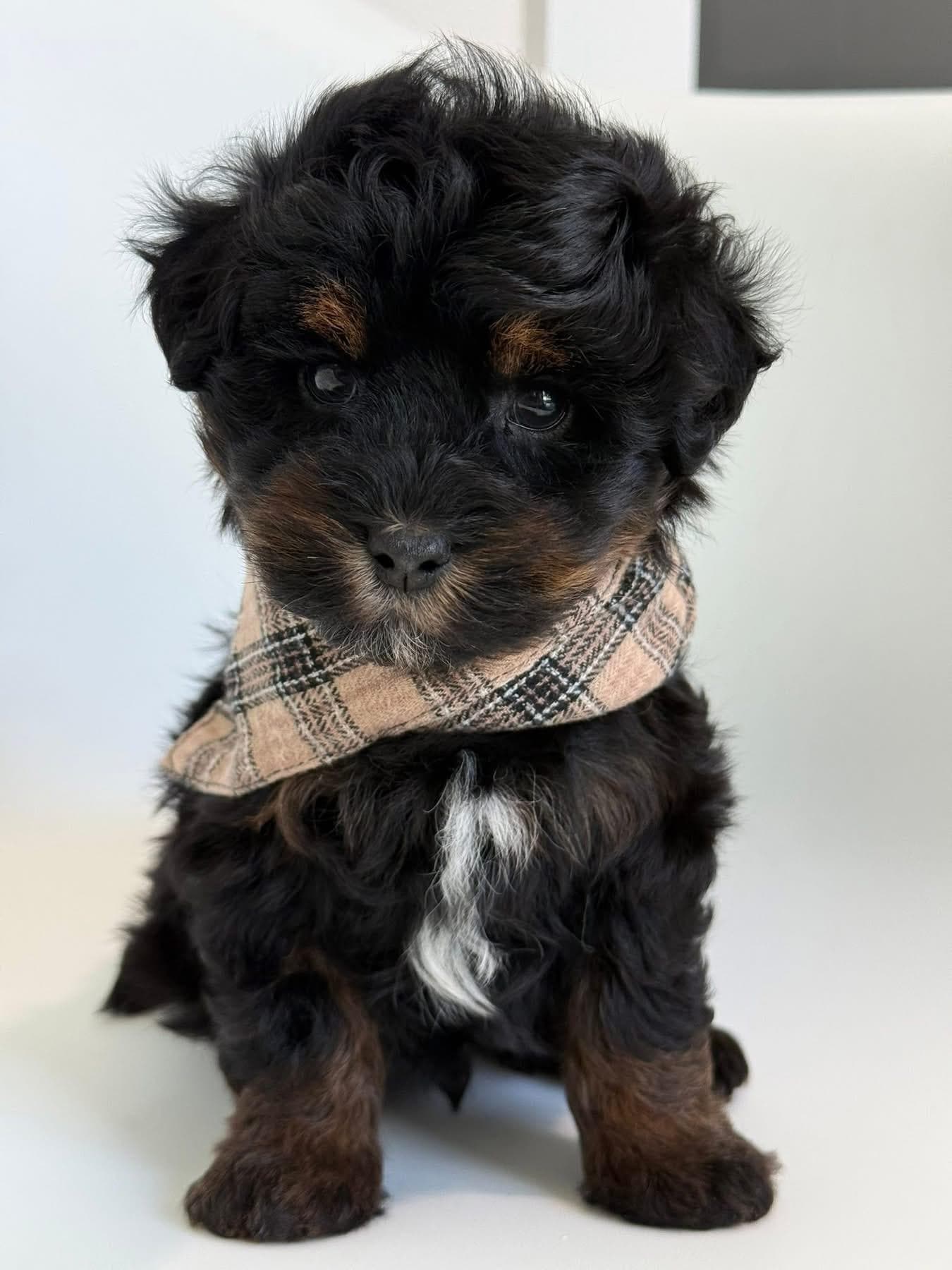
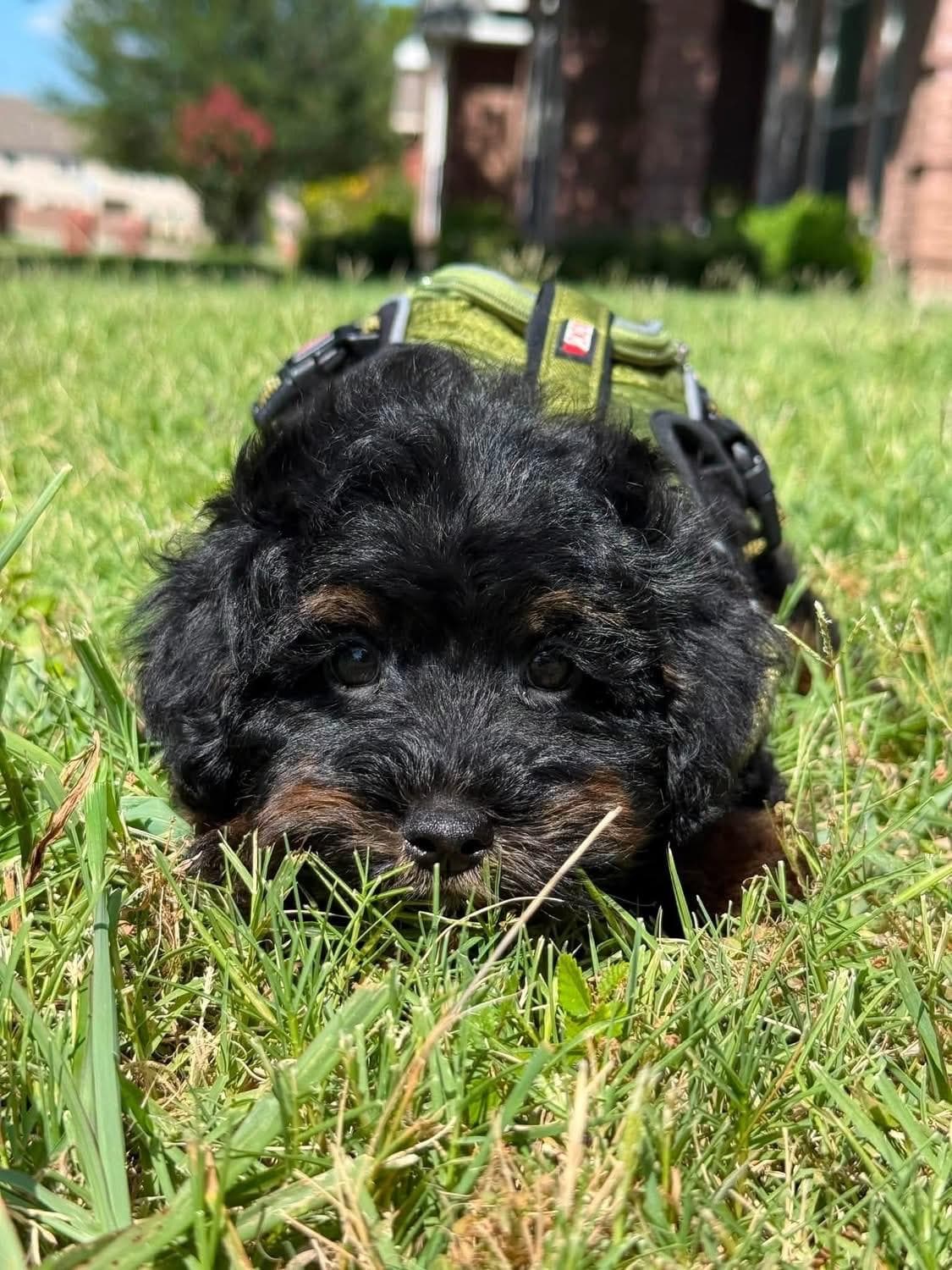 4 photos, showing 1Ready now
KAYLIE -GREEN BOY
Goldendoodle · Male · 9–12 lbs
23 weeks · Lewisville, TX
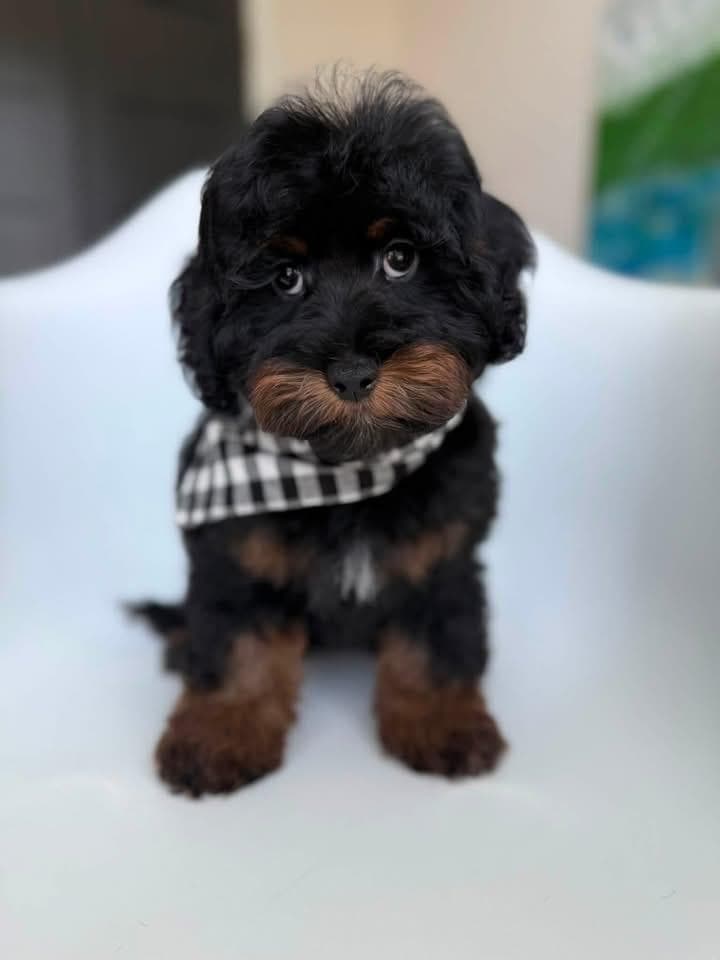
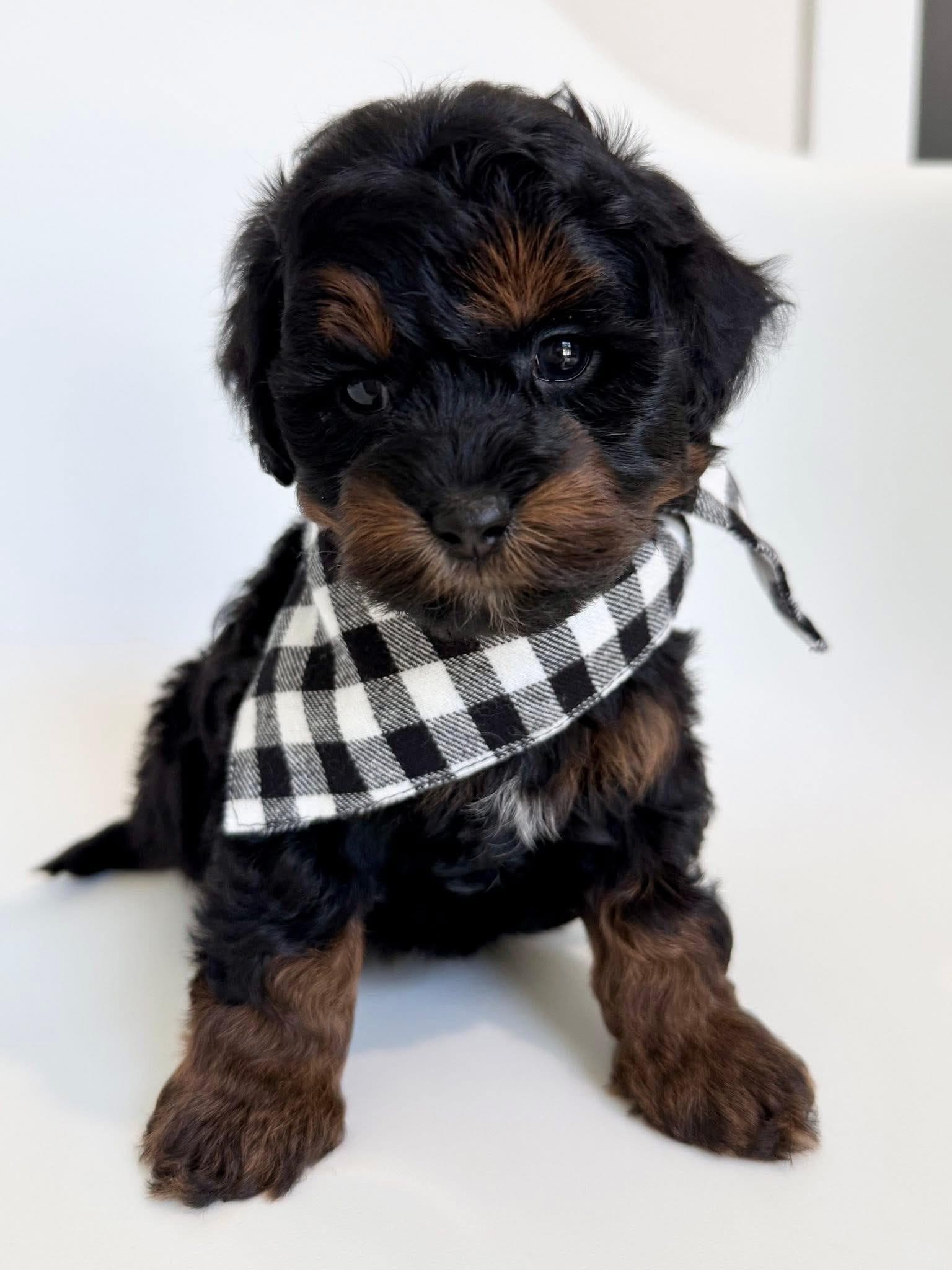 2 photos, showing 1Ready now
KAYLIE -BLUE BOY
Goldendoodle · Male · 9–12 lbs
23 weeks · Lewisville, TX